
儿科生理基于药代动力学模型在学术和行业组织中的应用不断增加。
Increasing application of pediatric physiologically based pharmacokinetic models across academic and industry organizations.
机构信息
Certara UK Limited (Simcyp Division), Sheffield, UK.
出版信息
CPT Pharmacometrics Syst Pharmacol. 2022 Mar;11(3):373-383. doi: 10.1002/psp4.12764. Epub 2022 Feb 17.
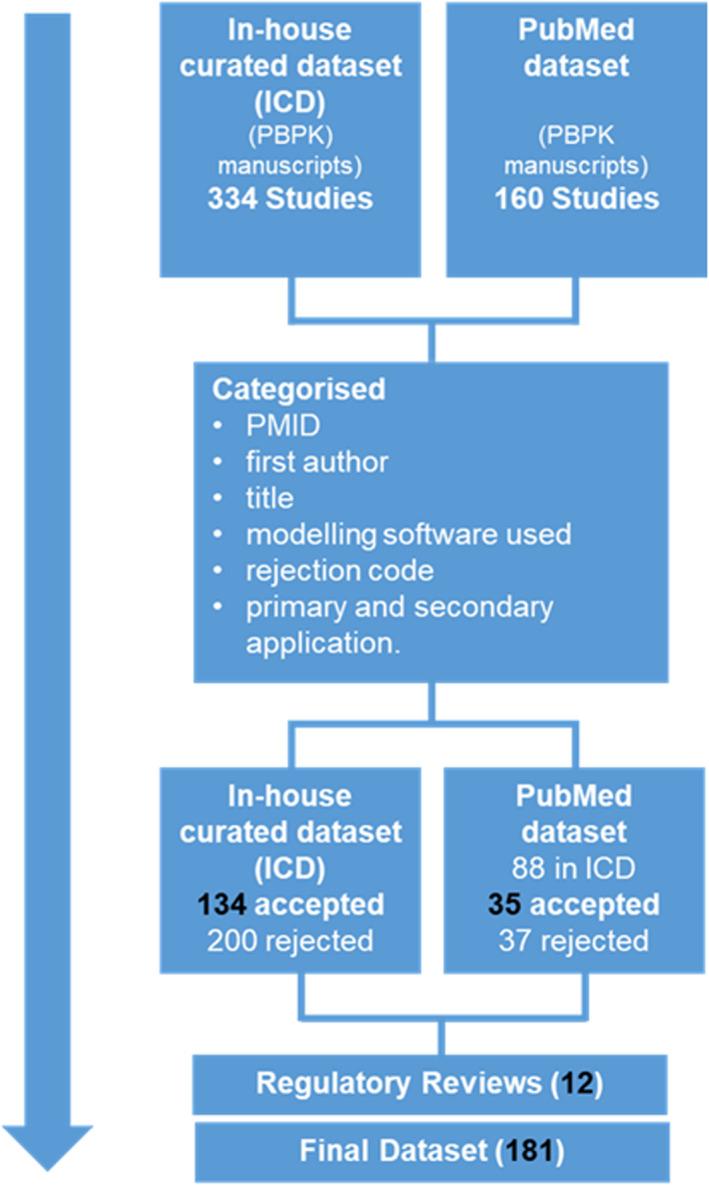
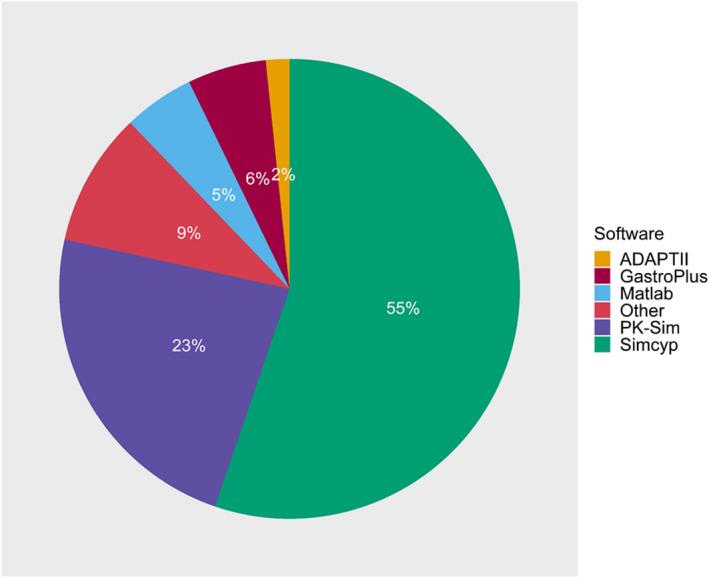
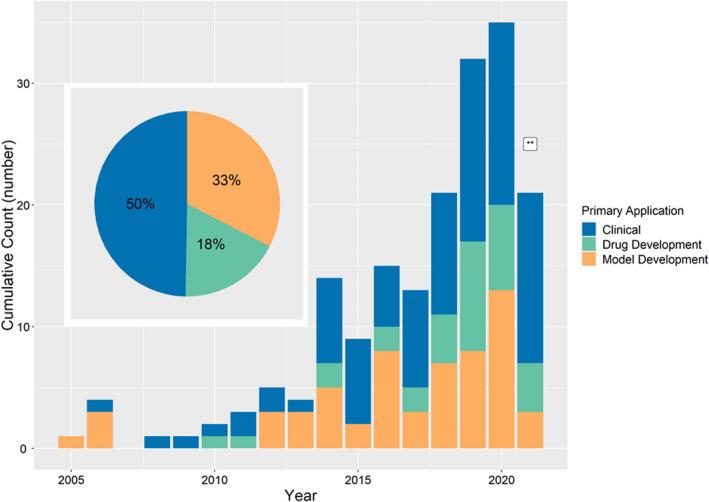
There has been a significant increase in the use of physiologically based pharmacokinetic (PBPK) models during the past 20 years, especially for pediatrics. The aim of this study was to give a detailed overview of the growth and areas of application of pediatric PBPK (P-PBPK) models. A total of 181 publications and publicly available regulatory reviews were identified and categorized according to year, author affiliation, platform, and primary application of the P-PBPK model (in clinical settings, drug development or to advance pediatric model development in general). Secondary application areas, including dose selection, biologics, and drug interactions, were also assessed. The growth rate for P-PBPK modeling increased 33-fold between 2005 and 2020; this was mainly attributed to growth in clinical and drug development applications. For primary applications, 50% of articles were classified under clinical, 18% under drug development, and 33% under model development. The most common secondary applications were dose selection (75% drug development), pharmacokinetic prediction and covariate identification (47% clinical), and model parameter identification (68% model development), respectively. Although population PK modeling remains the mainstay of approaches supporting pediatric drug development, the data presented here demonstrate the widespread application of P-PBPK models in both drug development and clinical settings. Although applications for pharmacokinetic and drug-drug interaction predictions in pediatrics is advocated, this approach remains underused in areas such as assessment of pediatric formulations, toxicology, and trial design. The increasing number of publications supporting the development and refinement of the pediatric model parameters can only serve to enhance optimal use of P-PBPK models.
在过去的 20 年中,生理药代动力学(PBPK)模型的应用显著增加,尤其是在儿科领域。本研究旨在详细概述儿科 PBPK(P-PBPK)模型的发展和应用领域。共确定了 181 篇出版物和公开的监管审查,并根据年份、作者所属单位、平台以及 P-PBPK 模型的主要应用(临床应用、药物开发或一般推进儿科模型开发)进行分类。还评估了包括剂量选择、生物制剂和药物相互作用在内的次要应用领域。P-PBPK 建模的增长率在 2005 年至 2020 年间增长了 33 倍;这主要归因于临床和药物开发应用的增长。对于主要应用,50%的文章被归类为临床应用,18%的文章为药物开发应用,33%的文章为模型开发应用。最常见的次要应用分别为剂量选择(75%的药物开发)、药代动力学预测和协变量识别(47%的临床)和模型参数识别(68%的模型开发)。尽管群体药代动力学建模仍然是支持儿科药物开发的主要方法,但这里提供的数据表明 P-PBPK 模型在药物开发和临床环境中的广泛应用。尽管提倡在儿科中进行药代动力学和药物相互作用预测的应用,但在儿科制剂评估、毒理学和试验设计等领域,这种方法的应用仍然不足。支持儿科模型参数开发和改进的出版物数量的增加只会有助于更好地利用 P-PBPK 模型。


 Zotero 插件