
基于网络药理学及实验鉴定芍药苷对重度抑郁症的作用
Network Pharmacology-Based and Experimental Identification of the Effects of Paeoniflorin on Major Depressive Disorder.
作者信息
Zhang Sha, Jiang Mingchen, Yan Shuxia, Liang Miaomiao, Wang Wei, Yuan Bin, Xu Qiuyue
机构信息
School of Nursing, Nanjing University of Chinese Medicine, Nanjing, China.
Department of Pediatrics, Affiliate Hospital of Nanjing University of Chinese Medicine, Nanjing, China.
出版信息
Front Pharmacol. 2022 Feb 2;12:793012. doi: 10.3389/fphar.2021.793012. eCollection 2021.
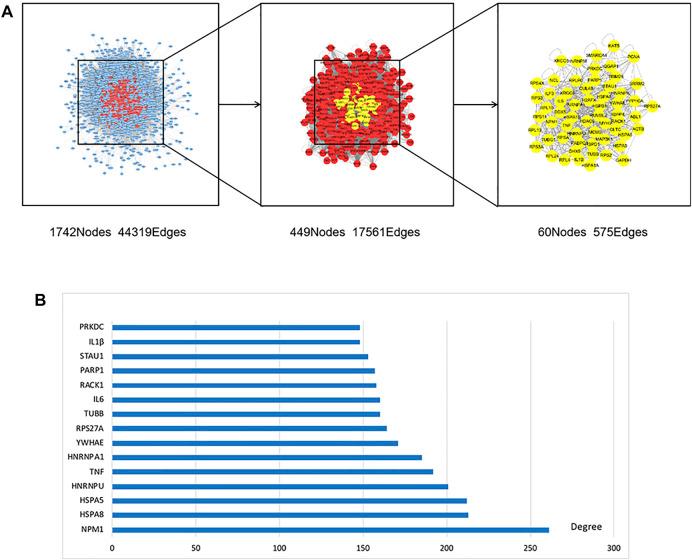
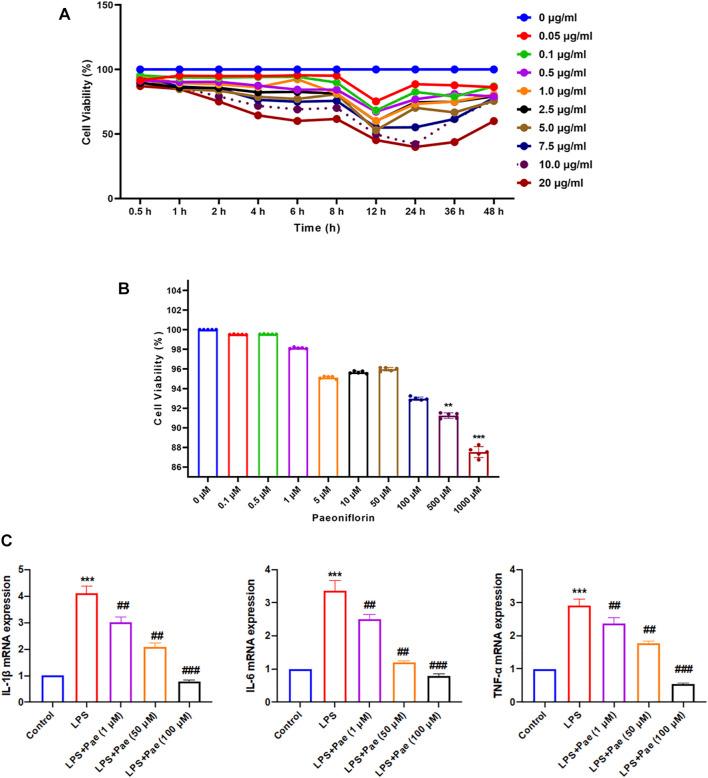
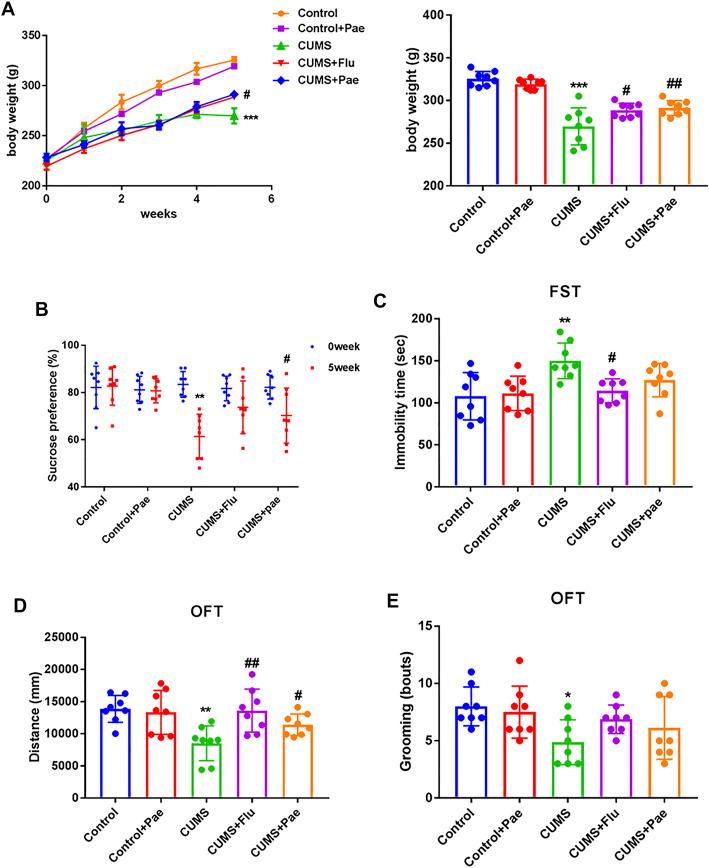
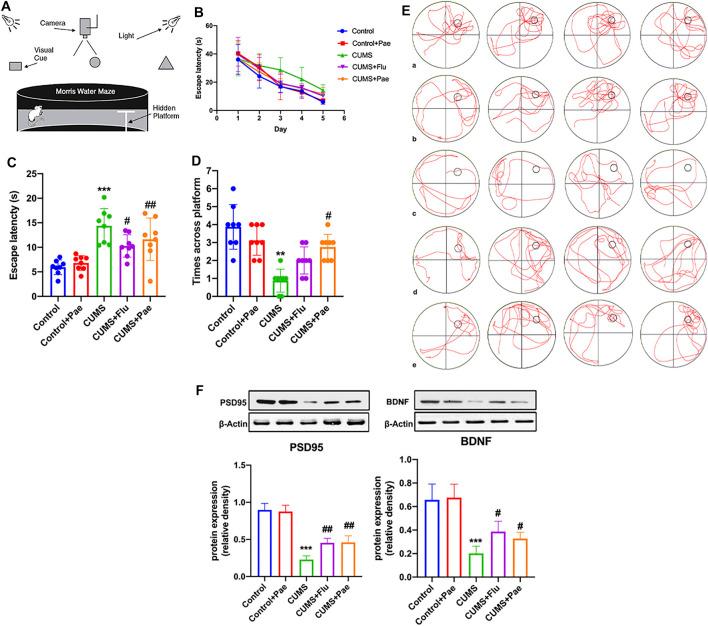
Major depressive disorder (MDD) is one of the most common psychiatric disorders, the diagnosis and treatment of MDD are major clinical issues. However, there is a lack of effective biomarkers and drugs diagnosis and therapeutics of MDD. In the present study, bioinformatics analysis combined with an experimental verification strategy was used to identify biomarkers and paeoniflorin targets for MDD diagnosis and treatment. Based on network pharmacology, we obtained potential targets and pathways of paeoniflorin as an antidepressant through multiple databases. We then constructed a protein-protein interaction network and performed enrichment analyses. According to the results, we performed and experimental validation. The results showed that paeoniflorin may exert an antidepressant effect by regulating cell inflammation, synaptic function, NF-κB signaling pathway, and intestinal inflammation. NPM1, HSPA8, HSPA5, HNRNPU, and TNF are the targets of paeoniflorin treatment. In addition, we demonstrated that paeoniflorin inhibits inflammatory cytokine production the p38MAPK/NF-κB pathway and has neuroprotective effects on the synaptic structure. Our findings provide valuable evidence for the diagnosis and treatment of MDD.
重度抑郁症(MDD)是最常见的精神疾病之一,MDD的诊断和治疗是主要的临床问题。然而,MDD缺乏有效的生物标志物以及药物诊断和治疗方法。在本研究中,采用生物信息学分析与实验验证策略相结合的方法来识别用于MDD诊断和治疗的生物标志物及芍药苷靶点。基于网络药理学,我们通过多个数据库获得了芍药苷作为抗抑郁药的潜在靶点和途径。然后我们构建了蛋白质-蛋白质相互作用网络并进行富集分析。根据结果,我们进行了实验验证。结果表明,芍药苷可能通过调节细胞炎症、突触功能、NF-κB信号通路和肠道炎症发挥抗抑郁作用。NPM1、HSPA8、HSPA5、HNRNPU和TNF是芍药苷治疗的靶点。此外,我们证明芍药苷通过p38MAPK/NF-κB途径抑制炎性细胞因子的产生,并对突触结构具有神经保护作用。我们的研究结果为MDD的诊断和治疗提供了有价值的证据。





 Zotero 插件