
父母叶酸缺乏会导致小鼠出现出生缺陷,并伴有新生突变增加。
Parental folate deficiency induces birth defects in mice accompanied with increased de novo mutations.
作者信息
Zhao Ying, Chen Duoyuan, Tang Jianping, Zheng Yufang, Qi Ji, Wang Hongyan
机构信息
Obstetrics and Gynecology Hospital, Institute of Reproduction and Development, Fudan University, Shanghai, China.
State Key Laboratory of Genetic Engineering, School of Life Sciences, Fudan University, Shanghai, China.
出版信息
Cell Discov. 2022 Feb 22;8(1):18. doi: 10.1038/s41421-021-00364-0.
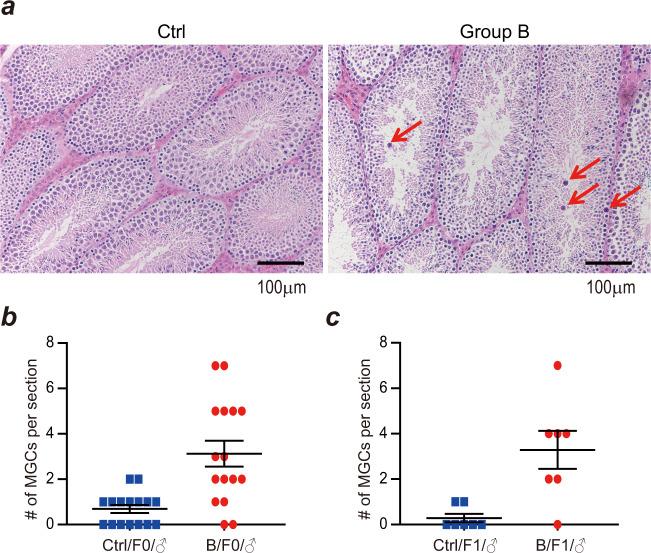
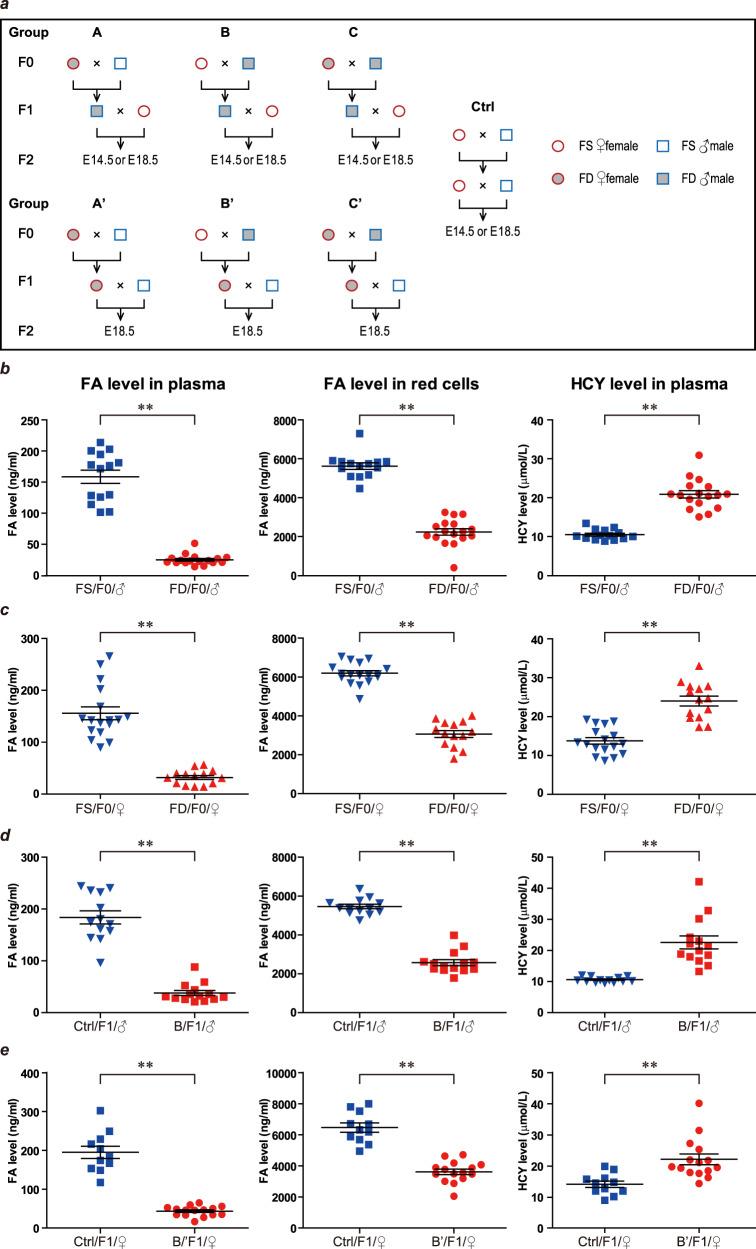
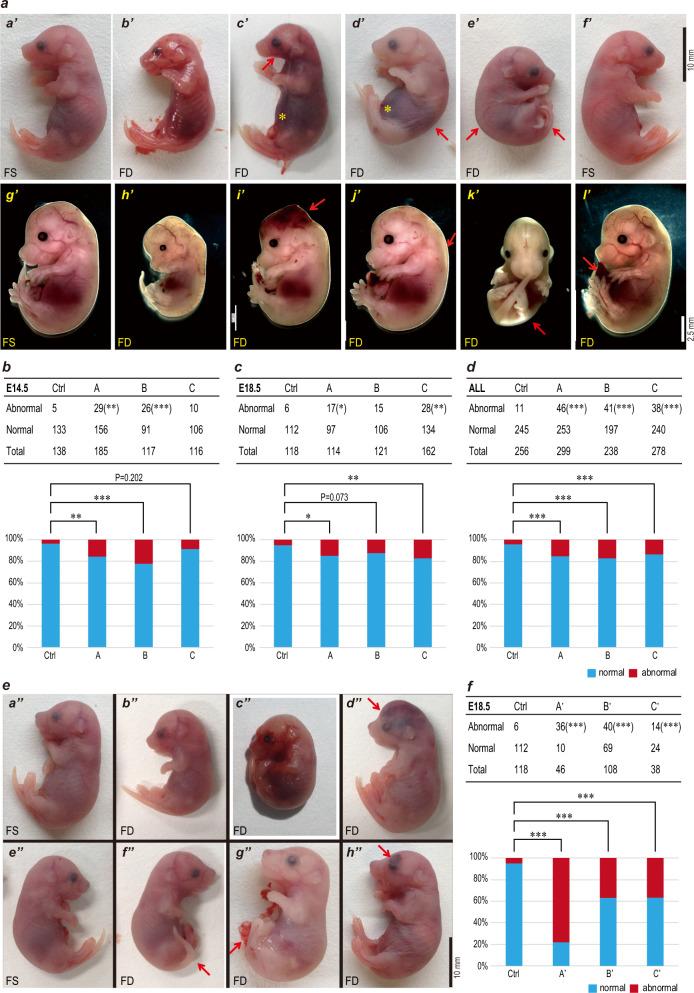
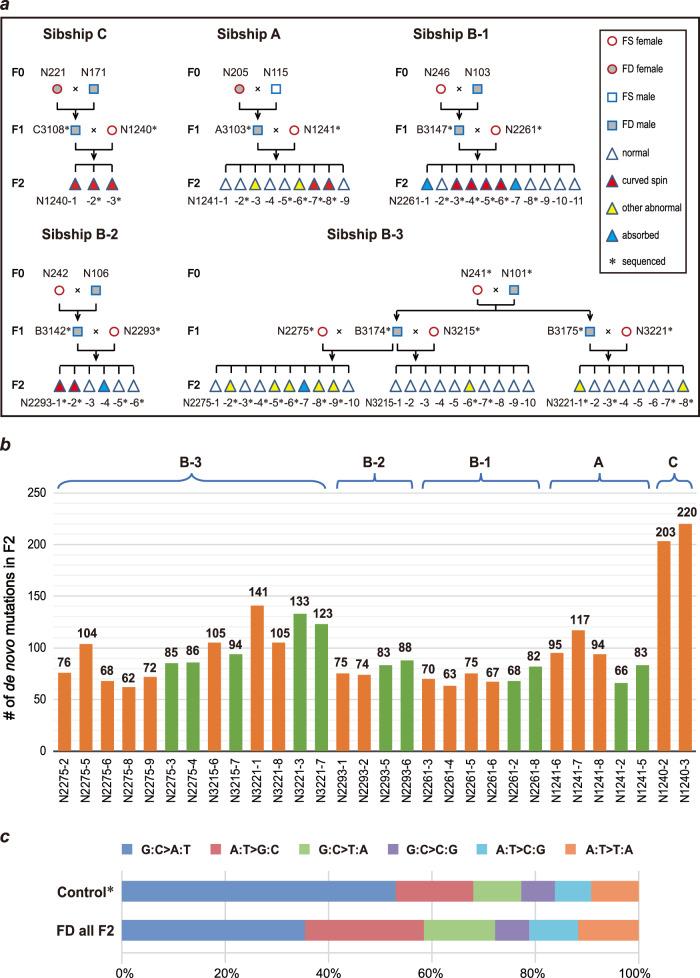
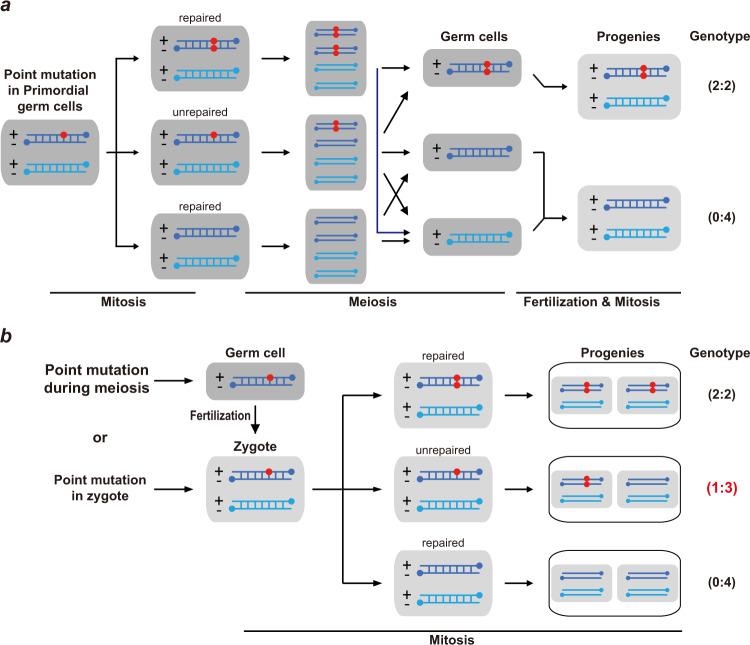
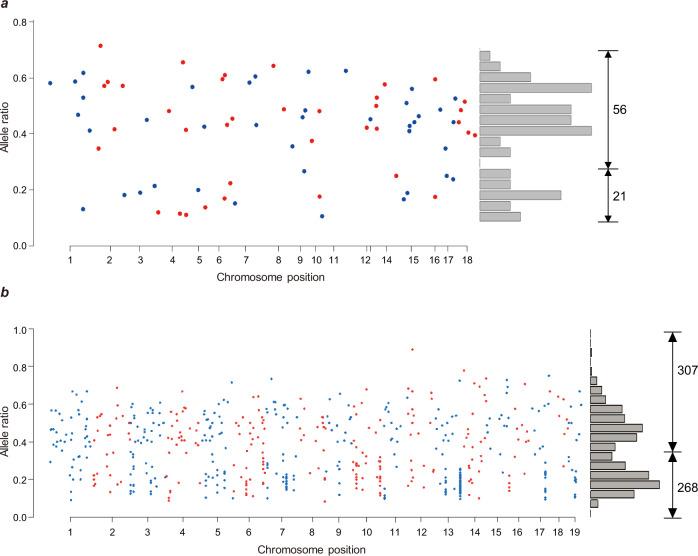
Dietary folate deficiency (FD) is associated with the occurrence of birth defects. However, the mechanisms underlying this association remain elusive. In particular, how FD affects genome stability is unknown. To examine whether a folate-deficient diet can affect genome stability, C57BL/6 mice were maintained on a synthetic diet lacking of folic acid (FA) for two generations. F0 mice received the FD diet beginning at 3 weeks of age, and their offspring (F1) began the FD diet after weaning. Both male and female F1 mice fed the FD diet were intentionally crossed with F1 mice fed the normal diet to produce F2 mice. F2 embryos were dissected and collected at E14.5 and E18.5. The malformation ratio was significantly increased in F2 embryos fed the FD diet for two generations compared to those fed the normal diet. Whole-genome sequencing of multiple sibship with F1 males on the FD diet showed that the de novo mutation (DNM) rate in F2 embryos was three times of the reported spontaneous rate in mice. Furthermore, many DNMs observed in the F2 mice exhibited an allele ratio of 1:3 instead of 2:2, suggesting that these mutations are likely to accumulate in gamete cells as a form of mismatch in the DNA duplex. Our study indicated that FD for two generations significantly enhances DNM accumulation during meiosis, which might contribute to the increased negative birth outcomes among F2 mice. Not only maternal but also paternal FA supplementation is probably also necessary and beneficial to prevent birth defects.
膳食叶酸缺乏(FD)与出生缺陷的发生有关。然而,这种关联背后的机制仍然难以捉摸。特别是,FD如何影响基因组稳定性尚不清楚。为了研究叶酸缺乏饮食是否会影响基因组稳定性,将C57BL/6小鼠维持在缺乏叶酸(FA)的合成饮食中两代。F0小鼠从3周龄开始接受FD饮食,它们的后代(F1)在断奶后开始FD饮食。将喂食FD饮食的雄性和雌性F1小鼠与喂食正常饮食的F1小鼠有意杂交以产生F2小鼠。在胚胎第14.5天和18.5天解剖并收集F2胚胎。与喂食正常饮食的F2胚胎相比,两代都喂食FD饮食的F2胚胎畸形率显著增加。对多组喂食FD饮食的F1雄性小鼠进行全基因组测序表明,F2胚胎中的新生突变(DNM)率是报道的小鼠自发率的三倍。此外,在F2小鼠中观察到的许多DNM表现出1:3而不是2:2的等位基因比例,这表明这些突变可能以DNA双链错配的形式在配子细胞中积累。我们的研究表明,两代FD显著增强减数分裂期间的DNM积累,这可能导致F2小鼠中不良出生结局增加。不仅母体补充FA,父体补充FA可能对预防出生缺陷也是必要和有益的。
 Zotero 插件