
伊朗新型冠状病毒爆发对环境的影响,重点关注废物管理部门。
Environmental impacts of new Coronavirus outbreak in Iran with an emphasis on waste management sector.
作者信息
Zand Ali Daryabeigi, Heir Azar Vaezi
机构信息
School of Environment, College of Engineering, University of Tehran, No. 25, Azin St., Qods St., Enghelab Ave., 141556135 Tehran, Iran.
出版信息
J Mater Cycles Waste Manag. 2021;23(1):240-247. doi: 10.1007/s10163-020-01123-1. Epub 2020 Oct 3.
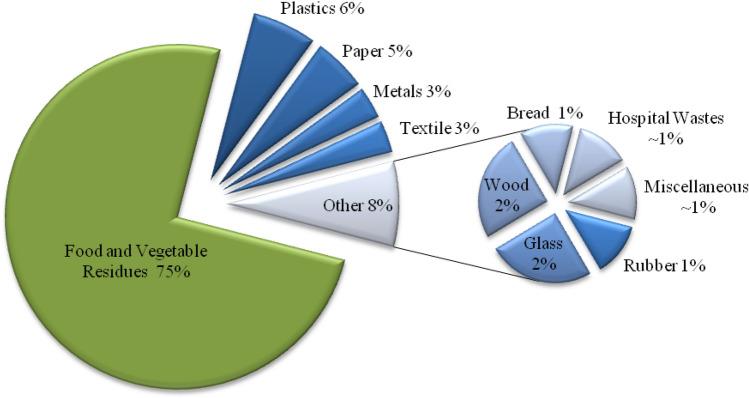
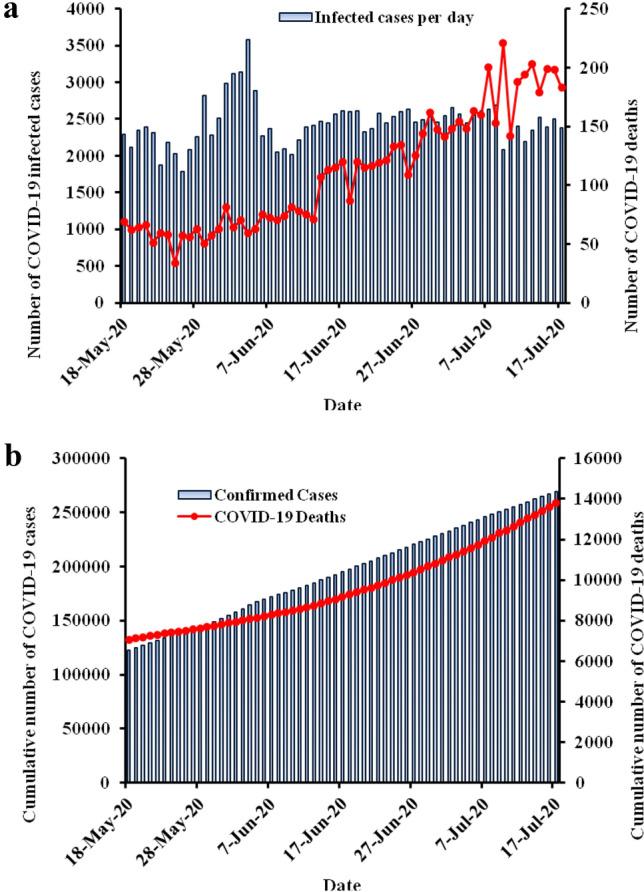
The COVID-19 pandemic have brought several environmental problems worldwide, among which management of municipal solid wastes (MSW) is of great importance due to the effects of solid wastes on soil, air and water resources. This research focused on the emerging challenges in MSW management in Tehran, the capital of Iran, during the COVID-19 pandemic. Tehran has been experiencing higher generation of MSW during the pandemic. Extensive use of personal protective equipments increased textile and plastic wastes considerably. On average, more than 4.5 million pieces of facemasks have been daily discarded by Tehranian residents during the COVID-19 pandemic. Generation of hospital wastes in Tehran also increased by 17.6-61.8% during the pandemic. Legal source separation and recycling programs are still suspended, though waste collection procedure in Tehran has not been subjected to significant changes after the outbreak of the Coronavirus. Hospital wastes, which had been partially separated and treated, are now being collected altogether and landfilled. Waste incineration and composting have been ceased completely; therefore landfilling of MSW has increased by 35% and opted as the only disposal option in Tehran during the COVID-19 outbreak. This research represents a baseline to devise proper urban waste management strategies in developing countries during the COVID-19 pandemic.
新冠疫情在全球引发了若干环境问题,其中城市固体废物(MSW)的管理至关重要,因为固体废物会对土壤、空气和水资源产生影响。本研究聚焦于伊朗首都德黑兰在新冠疫情期间城市固体废物管理中出现的新挑战。疫情期间,德黑兰产生的城市固体废物量有所增加。个人防护装备的大量使用大幅增加了纺织和塑料废物。在新冠疫情期间,德黑兰居民每天平均丢弃超过450万个口罩。疫情期间,德黑兰的医院废物产生量也增加了17.6%至61.8%。尽管在新冠病毒爆发后,德黑兰的废物收集程序没有发生重大变化,但合法的源头分类和回收计划仍处于暂停状态。此前已进行部分分类和处理的医院废物,现在被全部收集并填埋。废物焚烧和堆肥已完全停止;因此,城市固体废物的填埋量增加了35%,并在新冠疫情爆发期间成为德黑兰唯一的处置选择。本研究为发展中国家在新冠疫情期间制定适当的城市废物管理策略提供了一个基线。
 Zotero 插件