
5G 支持的医疗保健应用中的通信要求:综述与思考
Communication Requirements in 5G-Enabled Healthcare Applications: Review and Considerations.
作者信息
Qureshi Haneya Naeem, Manalastas Marvin, Ijaz Aneeqa, Imran Ali, Liu Yongkang, Al Kalaa Mohamad Omar
机构信息
Center for Devices and Radiological Health, U.S. Food and Drug Administration, Silver Spring, MD 20993, USA.
AI4Networks Research Center, School of Electrical & Computer Engineering, University of Oklahoma, Tulsa, OK 74135, USA.
出版信息
Healthcare (Basel). 2022 Feb 2;10(2):293. doi: 10.3390/healthcare10020293.
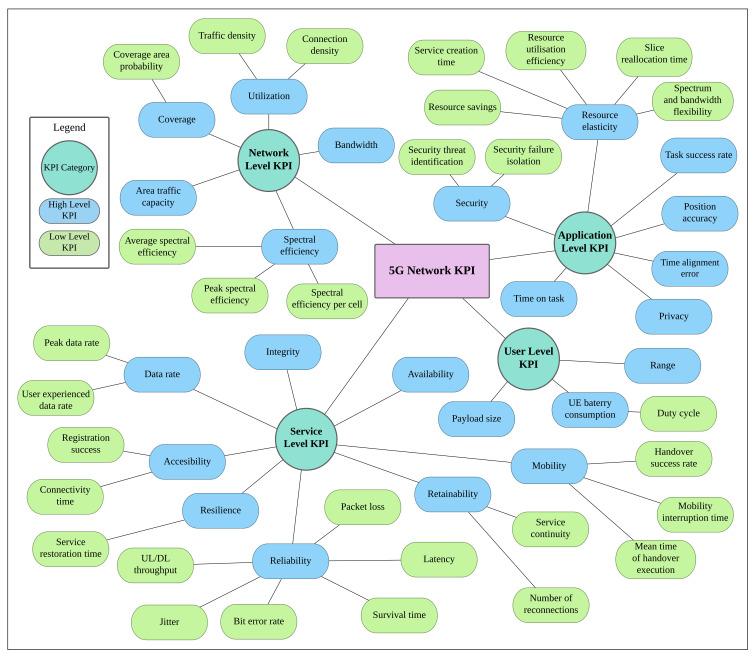
Fifth generation (5G) mobile communication technology can enable novel healthcare applications and augment existing ones. However, 5G-enabled healthcare applications demand diverse technical requirements for radio communication. Knowledge of these requirements is important for developers, network providers, and regulatory authorities in the healthcare sector to facilitate safe and effective healthcare. In this paper, we review, identify, describe, and compare the requirements for communication key performance indicators in relevant healthcare use cases, including remote robotic-assisted surgery, connected ambulance, wearable and implantable devices, and service robotics for assisted living, with a focus on quantitative requirements. We also compare 5G-healthcare requirements with the current state of 5G capabilities. Finally, we identify gaps in the existing literature and highlight considerations for this space.
第五代(5G)移动通信技术能够催生新型医疗应用并增强现有应用。然而,基于5G的医疗应用对无线通信有着多样的技术要求。了解这些要求对于医疗领域的开发者、网络提供商和监管机构而言至关重要,有助于实现安全有效的医疗服务。在本文中,我们回顾、识别、描述并比较了相关医疗用例中通信关键性能指标的要求,包括远程机器人辅助手术、联网救护车、可穿戴和植入式设备以及辅助生活服务机器人,重点关注定量要求。我们还将5G医疗要求与5G能力的当前状态进行了比较。最后,我们找出了现有文献中的差距,并强调了该领域的注意事项。



 Zotero 插件