
连接子:抗体药物偶联物可控递送的保障
Linkers: An Assurance for Controlled Delivery of Antibody-Drug Conjugate.
作者信息
Sheyi Rotimi, de la Torre Beatriz G, Albericio Fernando
机构信息
School of Chemistry and Physics, University of KwaZulu-Natal, Durban 4001, South Africa.
Kwazulu-Natal Research Innovation and Sequencing Platform (KRISP), College of Health Sciences, University of KwaZulu-Natal, Durban 4001, South Africa.
出版信息
Pharmaceutics. 2022 Feb 11;14(2):396. doi: 10.3390/pharmaceutics14020396.
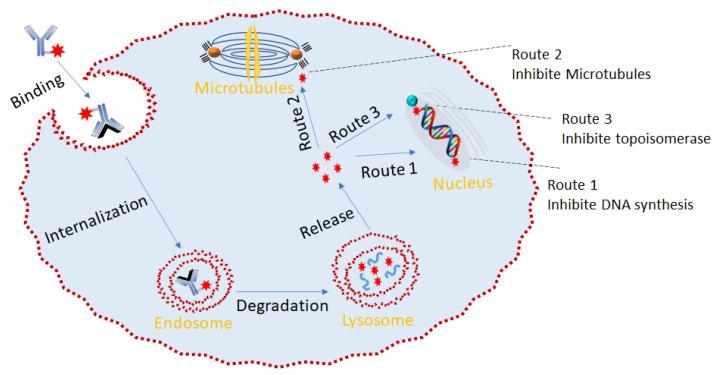
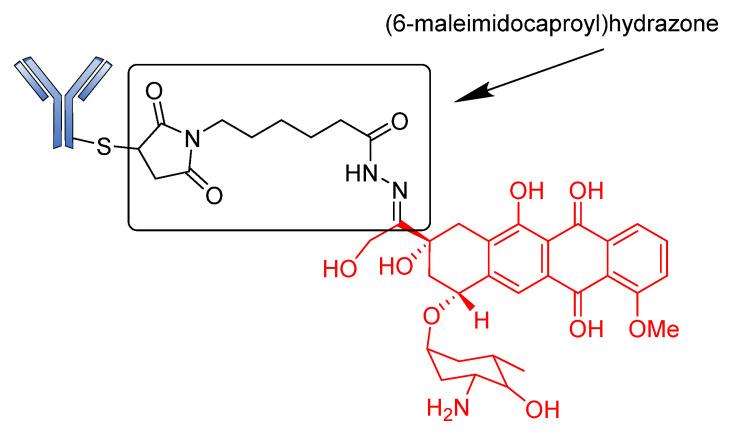
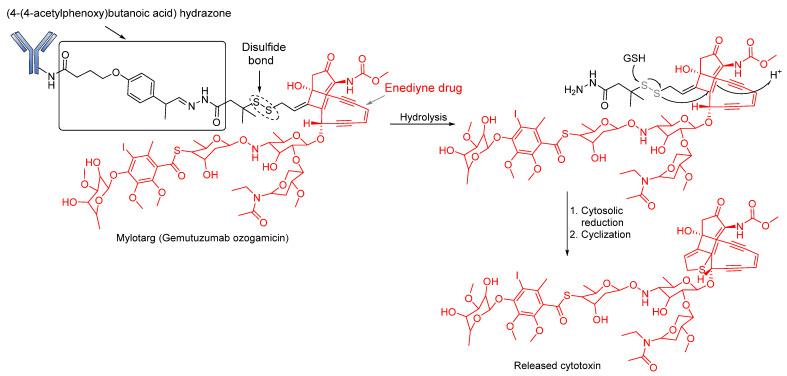
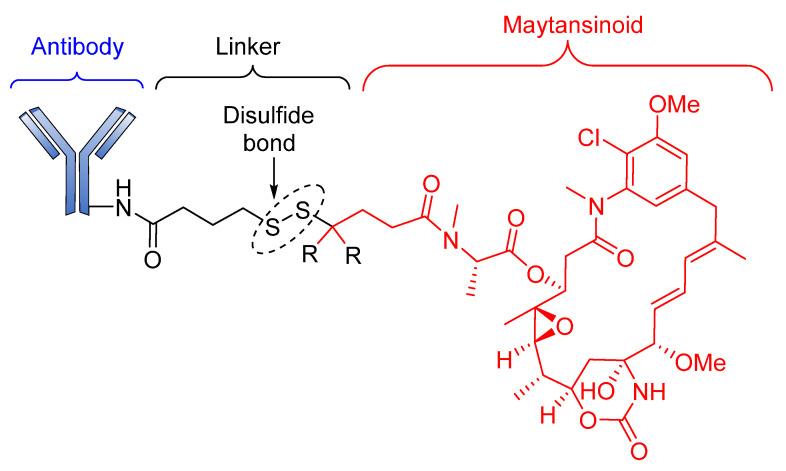
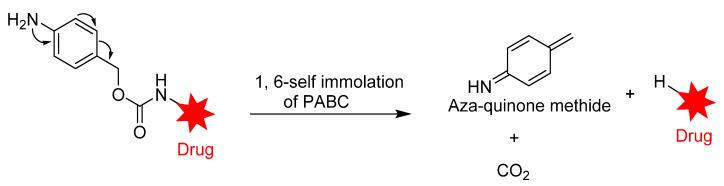
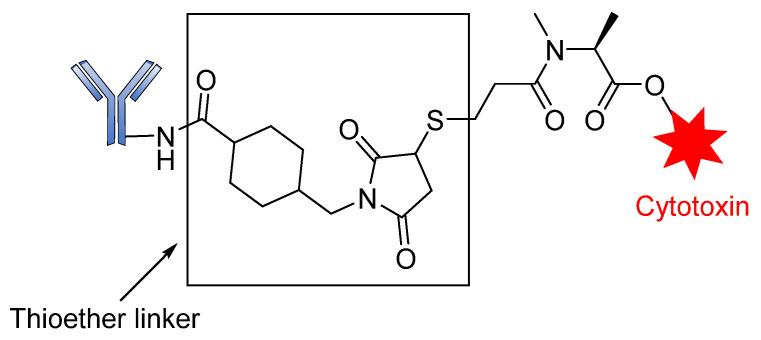
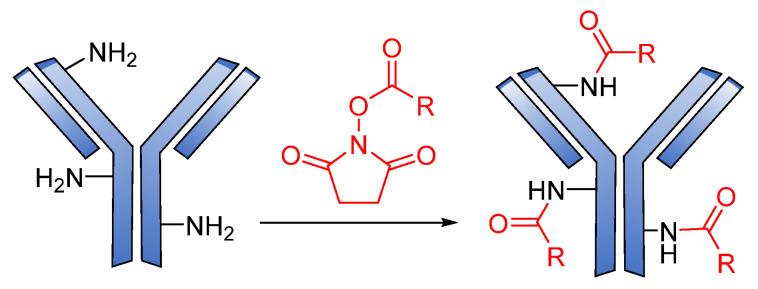
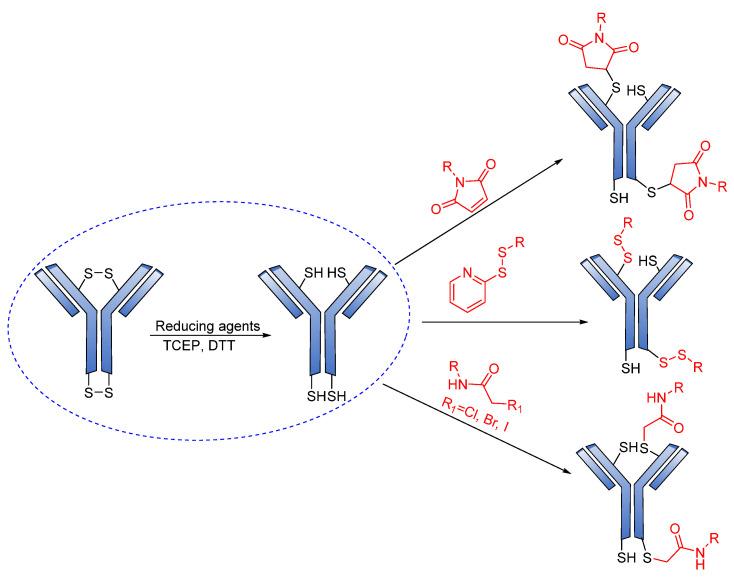
As one of the major therapeutic options for cancer treatment, chemotherapy has limited selectivity against cancer cells. Consequently, this therapeutic strategy offers a small therapeutic window with potentially high toxicity and thus limited efficacy of doses that can be tolerated by patients. Antibody-drug conjugates (ADCs) are an emerging class of anti-cancer therapeutic drugs that can deliver highly cytotoxic molecules directly to cancer cells. To date, twelve ADCs have received market approval, with several others in clinical stages. ADCs have become a powerful class of therapeutic agents in oncology and hematology. ADCs consist of recombinant monoclonal antibodies that are covalently bound to cytotoxic chemicals via synthetic linkers. The linker has a key role in ADC outcomes because its characteristics substantially impact the therapeutic index efficacy and pharmacokinetics of these drugs. Stable linkers and ADCs can maintain antibody concentration in blood circulation, and they do not release the cytotoxic drug before it reaches its target, thus resulting in minimum off-target effects. The linkers used in ADC development can be classified as cleavable and non-cleavable. The former, in turn, can be grouped into three types: hydrazone, disulfide, or peptide linkers. In this review, we highlight the various linkers used in ADC development and their design strategy, release mechanisms, and future perspectives.
作为癌症治疗的主要手段之一,化疗对癌细胞的选择性有限。因此,这种治疗策略的治疗窗口较小,具有潜在的高毒性,从而导致患者能够耐受的剂量疗效有限。抗体药物偶联物(ADC)是一类新兴的抗癌治疗药物,可将高细胞毒性分子直接递送至癌细胞。迄今为止,已有12种ADC获得市场批准,还有几种处于临床阶段。ADC已成为肿瘤学和血液学领域一类强大的治疗药物。ADC由重组单克隆抗体组成,这些抗体通过合成连接子与细胞毒性化学物质共价结合。连接子在ADC的疗效中起着关键作用,因为其特性会极大地影响这些药物的治疗指数、疗效和药代动力学。稳定的连接子和ADC能够维持血液循环中的抗体浓度,并且在细胞毒性药物到达靶点之前不会释放,从而使脱靶效应降至最低。用于ADC开发的连接子可分为可裂解和不可裂解两类。前者又可分为三种类型:腙、二硫键或肽连接子。在本综述中,我们重点介绍了用于ADC开发的各种连接子及其设计策略、释放机制和未来展望。











 Zotero 插件