
牙种植学表面改性的最新趋势:创新发展与分析应用
Latest Trends in Surface Modification for Dental Implantology: Innovative Developments and Analytical Applications.
作者信息
Accioni Francesca, Vázquez Juan, Merinero Manuel, Begines Belén, Alcudia Ana
机构信息
Departamento de Química Orgánica y Farmacéutica, Universidad de Sevilla, 41012 Seville, Spain.
Departamento de Química Orgánica, Universidad de Sevilla, 41012 Seville, Spain.
出版信息
Pharmaceutics. 2022 Feb 21;14(2):455. doi: 10.3390/pharmaceutics14020455.
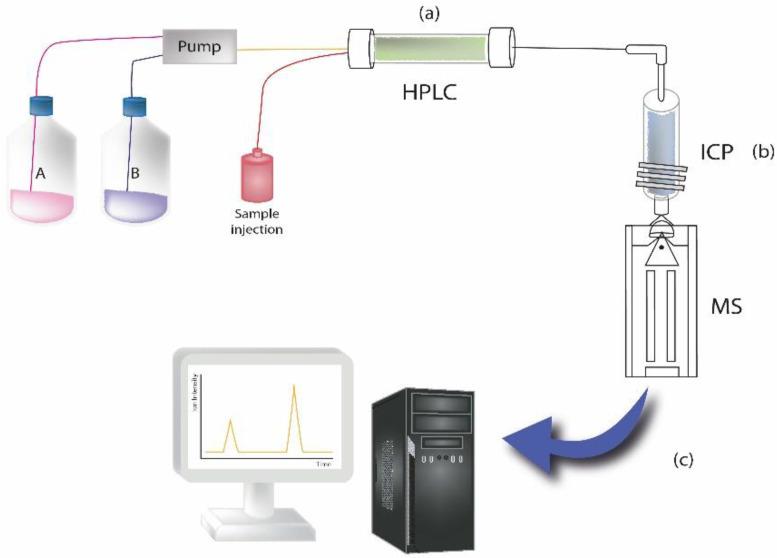
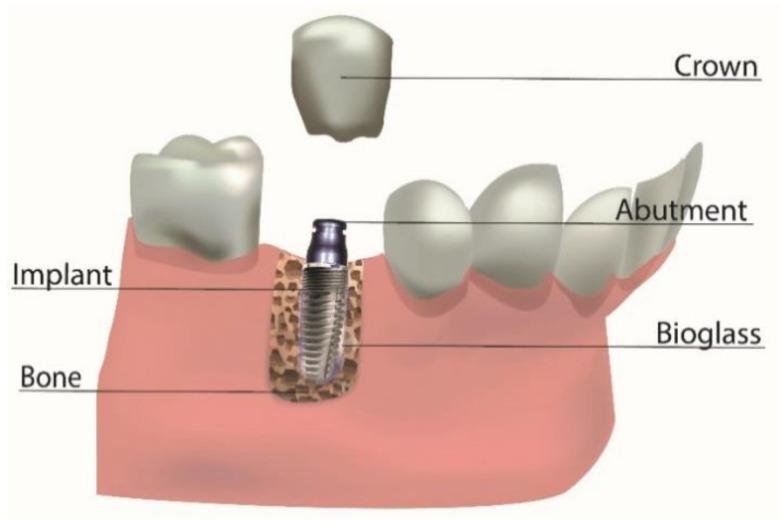
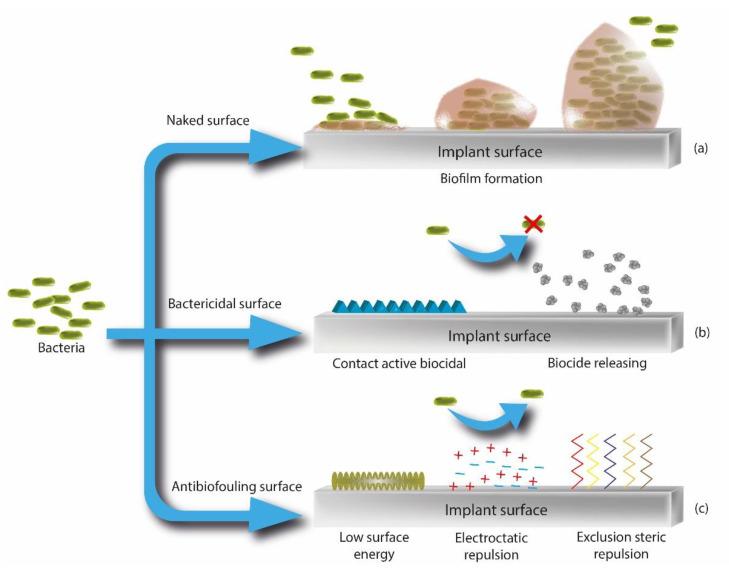
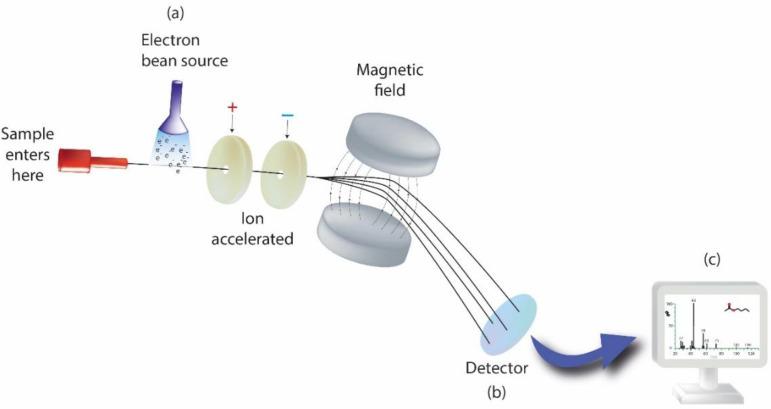
An increase in the world population and its life expectancy, as well as the ongoing concern about our physical appearance, have elevated the relevance of dental implantology in recent decades. Engineering strategies to improve the survival rate of dental implants have been widely investigated, focusing on implant material composition, geometry (usually guided to reduce stiffness), and interface surrounding tissues. Although efforts to develop different implant surface modifications are being applied in commercial dental prostheses today, the inclusion of surface coatings has gained special interest, as they can be tailored to efficiently enhance osseointegration, as well as to reduce bacterial-related infection, minimizing peri-implantitis appearance and its associated risks. The use of biomaterials to replace teeth has highlighted the need for the development of reliable analytical methods to assess the therapeutic benefits of implants. This literature review considers the state-of-the-art strategies for surface modification or coating and analytical methodologies for increasing the survival rate for teeth restoration.
近几十年来,世界人口增长及其预期寿命的延长,以及人们对自身外貌的持续关注,提高了牙种植学的重要性。为提高牙种植体存活率的工程策略已得到广泛研究,重点在于种植体材料成分、几何形状(通常旨在降低硬度)以及周围组织界面。尽管如今在商业牙科假体中已采用各种不同的种植体表面改性方法,但表面涂层的应用引起了特别关注,因为它们可以进行定制,以有效增强骨整合,并减少与细菌相关的感染,将种植体周围炎的出现及其相关风险降至最低。使用生物材料替代牙齿凸显了开发可靠分析方法以评估种植体治疗效果的必要性。本文献综述探讨了用于表面改性或涂层的最新策略以及提高牙齿修复存活率的分析方法。




 Zotero 插件