
小檗碱给药前通过调节炎症和肠道微生物群对 AOM/DSS 诱导的结肠炎相关癌变小鼠发挥化学预防作用。
Pre-Administration of Berberine Exerts Chemopreventive Effects in AOM/DSS-Induced Colitis-Associated Carcinogenesis Mice via Modulating Inflammation and Intestinal Microbiota.
机构信息
Key Laboratory of Bio-Resources and Eco-Environment of Ministry of Education, College of Life Sciences, Sichuan University, Chengdu 610065, China.
出版信息
Nutrients. 2022 Feb 9;14(4):726. doi: 10.3390/nu14040726.
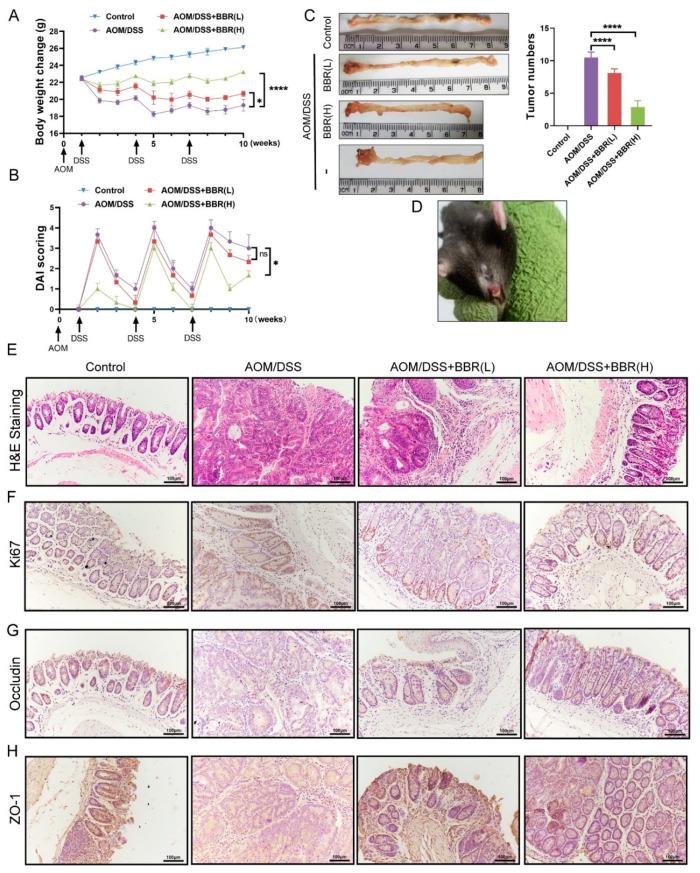
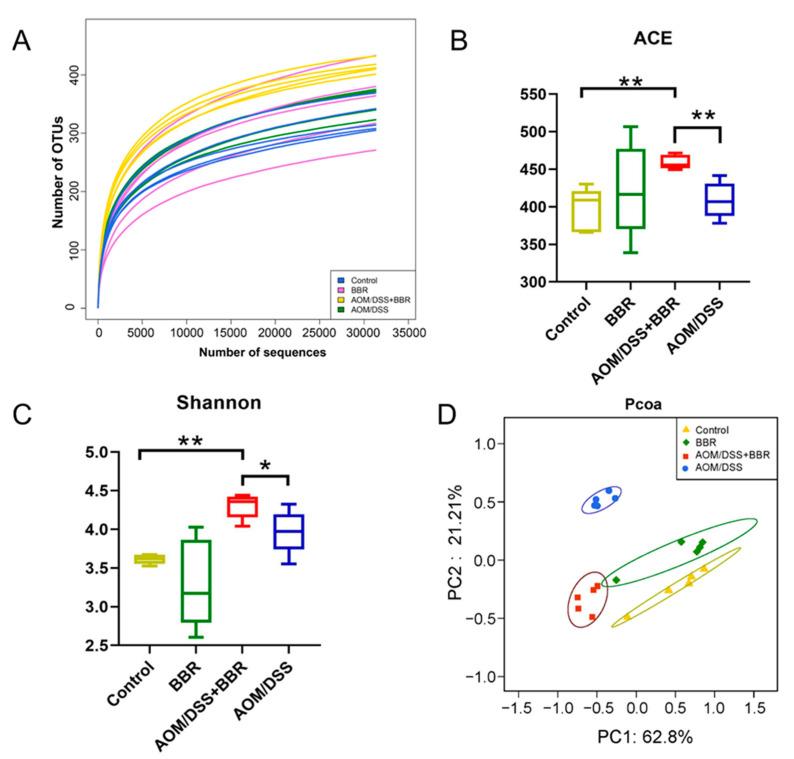
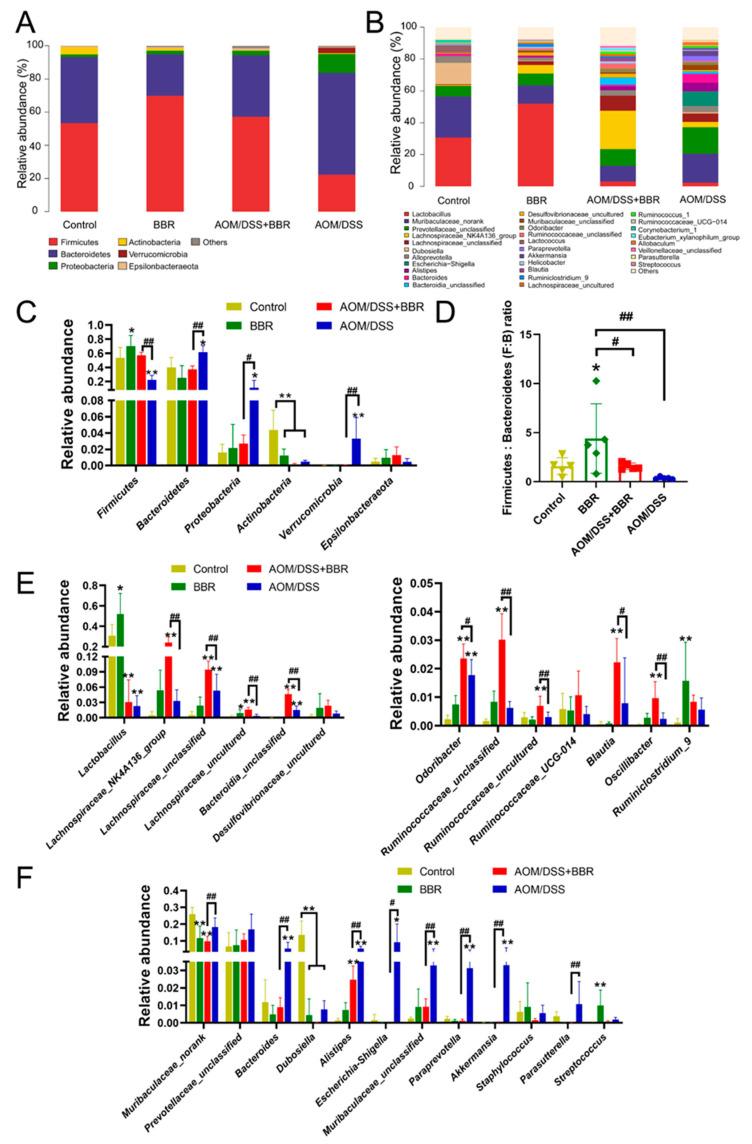
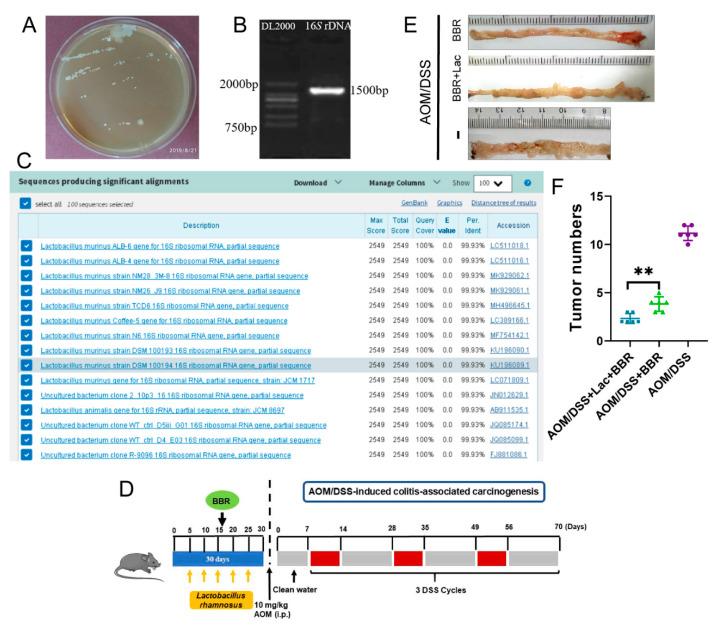
Inflammatory activation and intestinal flora imbalance play an essential role in the development and progression of colorectal cancer (CRC). Berberine (BBR) has attracted great attention in recent years due to its heath-related benefits in inflammatory disorders and tumors, but the intricate mechanisms have not been fully elucidated. In this study, the effects and the mechanism of BBR on colon cancer were investigated in an azoxymethane (AOM)/dextran sodium sulfate (DSS)-induced colitis-associated carcinogenesis mice model. Our results showed that pre-administration of BBR showed a decrease in weight loss, disease activity index (DAI) score, and the number of colon tumors in mice, compared with the model group. The evidence from pathological examination indicated that the malignancy of intestinal tumors was ameliorated after pre-administration of BBR. Additionally, pre-administration with BBR suppressed the expression of pro-inflammatory factors (interleukin (IL)-6, IL-1β, cyclooxygenase (COX)-2 and tumor necrosis factor (TNF)-α) and the cell-proliferation marker Ki67, while expression of the tight junction proteins (ZO-1 and occludin) were increased in colon tissue. Moreover, the levels of critical pathway proteins involved in the inflammatory process (p-STAT3 and p-JNK) and cell cycle regulation molecules (β-catenin, c-Myc and CylinD1) exhibited lower expression levels. Besides, 16S rRNA sequence analysis indicated that pre-administration of BBR increased the ratio of Firmicutes/Bacteroidetes (F:M) and the relative abundance of potentially beneficial bacteria, while the abundance of cancer-related bacteria was decreased. Gavage with can improve the anti-tumor effect of BBR. Overall, pre-administration of BBR exerts preventive effects in colon carcinogenesis, and the mechanisms underlying these effects are correlated with the inhibition of inflammation and tumor proliferation and the maintenance of intestinal homeostasis.
炎症激活和肠道菌群失衡在结直肠癌(CRC)的发生和发展中起着至关重要的作用。近年来,由于黄连素(BBR)在炎症性疾病和肿瘤方面的健康益处,它引起了极大的关注,但复杂的机制尚未完全阐明。在这项研究中,我们在氧化偶氮甲烷(AOM)/葡聚糖硫酸钠(DSS)诱导的结肠炎相关癌变小鼠模型中研究了 BBR 对结肠癌的作用及其机制。我们的研究结果表明,与模型组相比,BBR 的预先给药可减少小鼠的体重减轻、疾病活动指数(DAI)评分和结肠肿瘤数量。病理学检查的证据表明,BBR 预先给药可改善肠道肿瘤的恶性程度。此外,BBR 的预先给药抑制了促炎因子(白细胞介素(IL)-6、IL-1β、环氧化酶(COX)-2 和肿瘤坏死因子(TNF)-α)和细胞增殖标志物 Ki67 的表达,同时增加了紧密连接蛋白(ZO-1 和 occludin)在结肠组织中的表达。此外,炎症过程中关键途径蛋白(p-STAT3 和 p-JNK)和细胞周期调节分子(β-catenin、c-Myc 和 CylinD1)的表达水平也较低。此外,16S rRNA 序列分析表明,BBR 的预先给药增加了厚壁菌门/拟杆菌门(F:M)的比值和潜在有益细菌的相对丰度,而与癌症相关的细菌丰度降低。灌胃 可以提高 BBR 的抗肿瘤作用。总之,BBR 的预先给药对结肠癌发生具有预防作用,这些作用的机制与抑制炎症和肿瘤增殖以及维持肠道内稳态有关。



 Zotero 插件