
用于将阿霉素靶向递送至乳腺癌细胞的智能脂质-多糖纳米颗粒
Smart Lipid-Polysaccharide Nanoparticles for Targeted Delivery of Doxorubicin to Breast Cancer Cells.
作者信息
Curcio Manuela, Brindisi Matteo, Cirillo Giuseppe, Frattaruolo Luca, Leggio Antonella, Rago Vittoria, Nicoletta Fiore Pasquale, Cappello Anna Rita, Iemma Francesca
机构信息
Department of Pharmacy, Health and Nutritional Sciences, University of Calabria, 87036 Rende, CS, Italy.
出版信息
Int J Mol Sci. 2022 Feb 21;23(4):2386. doi: 10.3390/ijms23042386.
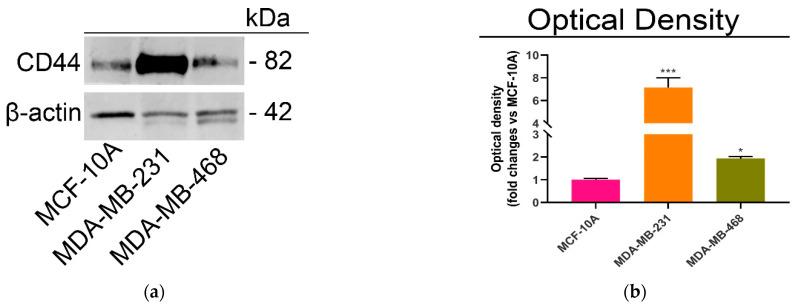
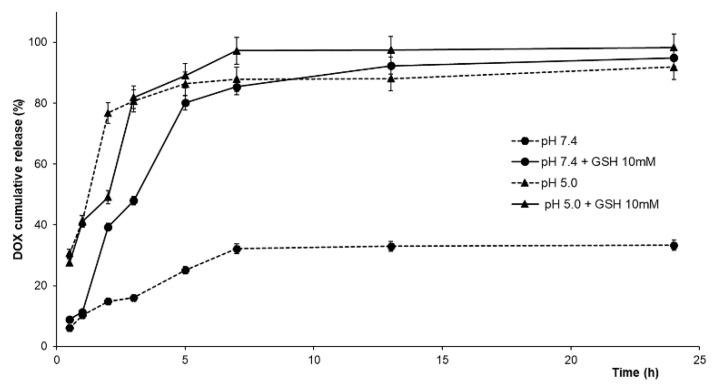
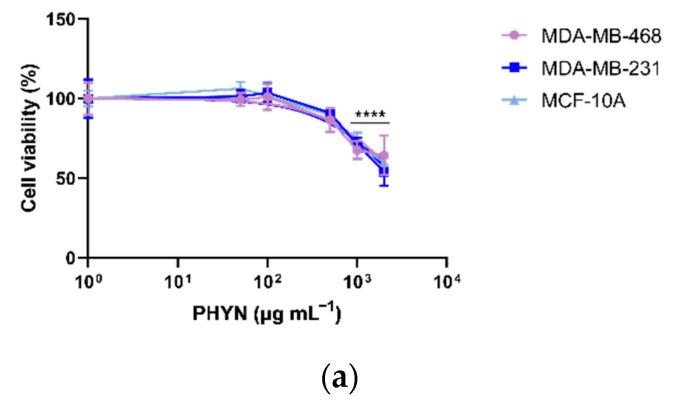
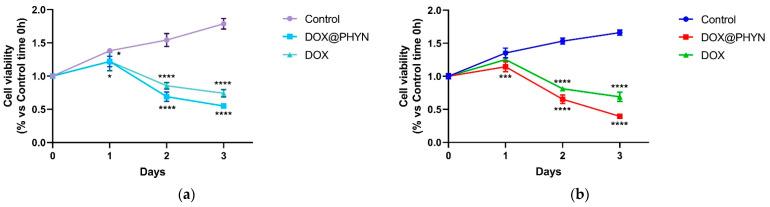
In this study, actively-targeted (CD44-receptors) and dual stimuli (pH/redox)-responsive lipid-polymer nanoparticles were proposed as a delivery vehicle of doxorubicin hydrochloride in triple negative breast cancer cell lines. A phosphatidylcholine lipid film was hydrated with a solution of oxidized hyaluronic acid and doxorubicin, chosen as model drug, followed by a crosslinking reaction with cystamine hydrochloride. The obtained spherical nanoparticles (mean diameter of 30 nm) were found to be efficiently internalized in cancer cells by a receptor-mediated endocytosis process, and to modulate the drug release depending on the pH and redox potential of the surrounding medium. In vitro cytotoxicity assays demonstrated the safety and efficacy of the nanoparticles in enhancing the cytotoxic effect of the free anticancer drug, with the IC values being reduced by two and three times in MDA-MB-468 and MDA-MB-231, respectively. The combination of self-assembled phospholipid molecules with a polysaccharide counterpart acting as receptor ligand, and stimuli-responsive chemical moieties, was carried out on smart multifunctional nanoparticles able to actively target breast cancer cells and improve the in vitro anticancer activity of doxorubicin.
在本研究中,提出了主动靶向(CD44受体)和双刺激(pH/氧化还原)响应性脂质-聚合物纳米颗粒作为盐酸多柔比星在三阴性乳腺癌细胞系中的递送载体。用氧化透明质酸和作为模型药物的多柔比星溶液水合磷脂酰胆碱脂质膜,随后与盐酸胱胺进行交联反应。发现所获得的球形纳米颗粒(平均直径30nm)通过受体介导的内吞作用过程有效地内化于癌细胞中,并根据周围介质的pH和氧化还原电位调节药物释放。体外细胞毒性试验证明了纳米颗粒在增强游离抗癌药物细胞毒性作用方面的安全性和有效性,在MDA-MB-468和MDA-MB-231细胞系中,IC值分别降低了两倍和三倍。将自组装磷脂分子与作为受体配体的多糖对应物以及刺激响应性化学部分相结合,应用于能够主动靶向乳腺癌细胞并提高多柔比星体外抗癌活性的智能多功能纳米颗粒。



 Zotero 插件