
膳食多酚及其在氧化应激诱导的人类疾病中的作用:对保护作用、抗氧化潜力及作用机制的见解
Dietary Polyphenols and Their Role in Oxidative Stress-Induced Human Diseases: Insights Into Protective Effects, Antioxidant Potentials and Mechanism(s) of Action.
作者信息
Rudrapal Mithun, Khairnar Shubham J, Khan Johra, Dukhyil Abdulaziz Bin, Ansari Mohammad Azam, Alomary Mohammad N, Alshabrmi Fahad M, Palai Santwana, Deb Prashanta Kumar, Devi Rajlakshmi
机构信息
Department of Pharmaceutical Chemistry, Rasiklal M. Dhariwal Institute of Pharmaceutical Education and Research, Pune, India.
Department of Pharmacology, MET Institute of Pharmacy, Nashik, India.
出版信息
Front Pharmacol. 2022 Feb 14;13:806470. doi: 10.3389/fphar.2022.806470. eCollection 2022.
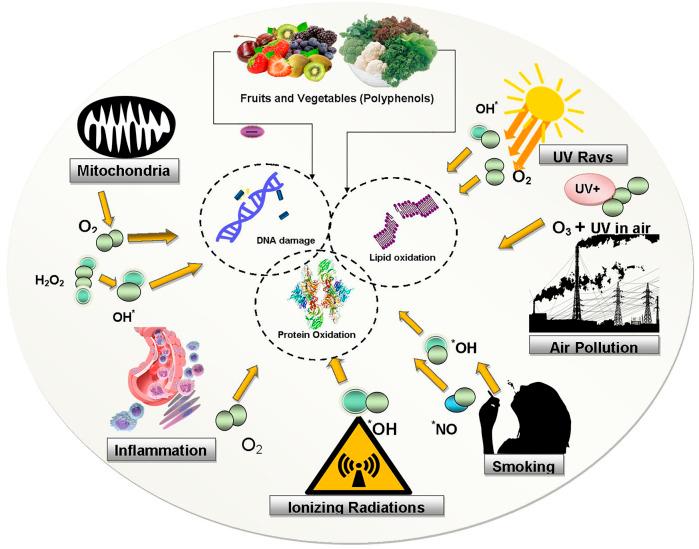
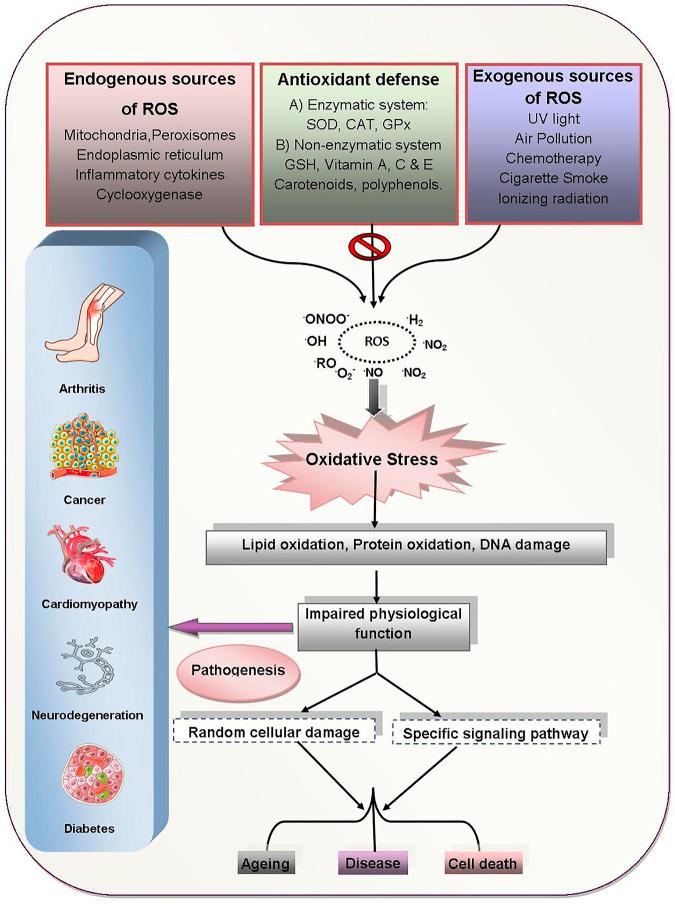
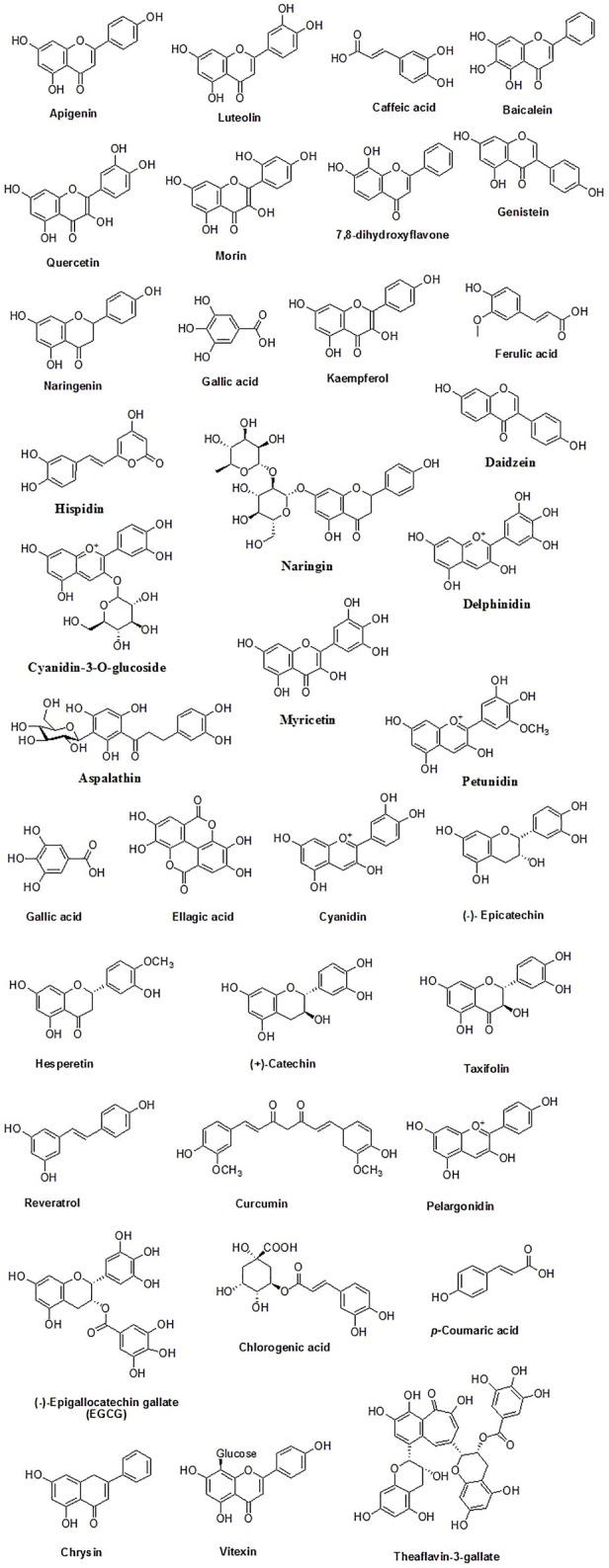
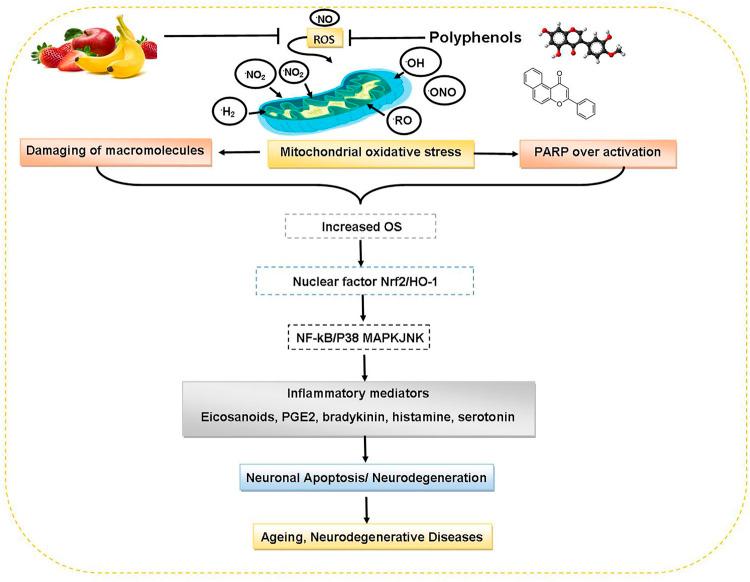
Dietary polyphenols including phenolic acids, flavonoids, catechins, tannins, lignans, stilbenes, and anthocyanidins are widely found in grains, cereals, pulses, vegetables, spices, fruits, chocolates, and beverages like fruit juices, tea, coffee and wine. In recent years, dietary polyphenols have gained significant interest among researchers due to their potential chemopreventive/protective functions in the maintenance of human health and diseases. It is believed that dietary polyphenols/flavonoids exert powerful antioxidant action for protection against reactive oxygen species (ROS)/cellular oxidative stress (OS) towards the prevention of OS-related pathological conditions or diseases. Pre-clinical and clinical evidence strongly suggest that long term consumption of diets rich in polyphenols offer protection against the development of various chronic diseases such as neurodegenerative diseases, cardiovascular diseases (CVDs), cancer, diabetes, inflammatory disorders and infectious illness. Increased intake of foods containing polyphenols (for example, quercetin, epigallocatechin-3-gallate, resveratrol, cyanidin etc.) has been claimed to reduce the extent of a majority of chronic oxidative cellular damage, DNA damage, tissue inflammations, viral/bacterial infections, and neurodegenerative diseases. It has been suggested that the antioxidant activity of dietary polyphenols plays a pivotal role in the prevention of OS-induced human diseases. In this narrative review, the biological/pharmacological significance of dietary polyphenols in the prevention of and/or protection against OS-induced major human diseases such as cancers, neurodegenerative diseases, CVDs, diabetes mellitus, cancer, inflammatory disorders and infectious diseases have been delineated. This review specifically focuses a current understanding on the dietary sources of polyphenols and their protective effects including mechanisms of action against various major human diseases.
膳食多酚,包括酚酸、黄酮类化合物、儿茶素、单宁、木脂素、芪类化合物和花青素,广泛存在于谷物、谷类、豆类、蔬菜、香料、水果、巧克力以及果汁、茶、咖啡和葡萄酒等饮料中。近年来,膳食多酚因其在维护人类健康和预防疾病方面潜在的化学预防/保护功能而受到研究人员的广泛关注。人们认为,膳食多酚/黄酮类化合物具有强大的抗氧化作用,可保护机体免受活性氧(ROS)/细胞氧化应激(OS)的侵害,从而预防与OS相关的病理状况或疾病。临床前和临床证据有力地表明,长期食用富含多酚的饮食可预防多种慢性疾病的发生,如神经退行性疾病、心血管疾病(CVD)、癌症、糖尿病、炎症性疾病和传染病。据称,增加含多酚食物(如槲皮素、表没食子儿茶素-3-没食子酸酯、白藜芦醇、花青素等)的摄入量可减少大多数慢性氧化细胞损伤、DNA损伤、组织炎症、病毒/细菌感染和神经退行性疾病的发生程度。有人提出,膳食多酚的抗氧化活性在预防OS诱导的人类疾病中起关键作用。在这篇叙述性综述中,阐述了膳食多酚在预防和/或抵御OS诱导的主要人类疾病(如癌症、神经退行性疾病、CVD、糖尿病、癌症、炎症性疾病和传染病)方面的生物学/药理学意义。本综述特别关注了目前对多酚膳食来源及其保护作用的理解,包括针对各种主要人类疾病的作用机制。



 Zotero 插件