
黏连蛋白在癌症中的多效性作用。
The multifaceted roles of cohesin in cancer.
机构信息
Institute for Biomedical Technologies (ITB), National Research Council (CNR), Via Moruzzi, 1 56124, Pisa, Italy.
出版信息
J Exp Clin Cancer Res. 2022 Mar 14;41(1):96. doi: 10.1186/s13046-022-02321-5.
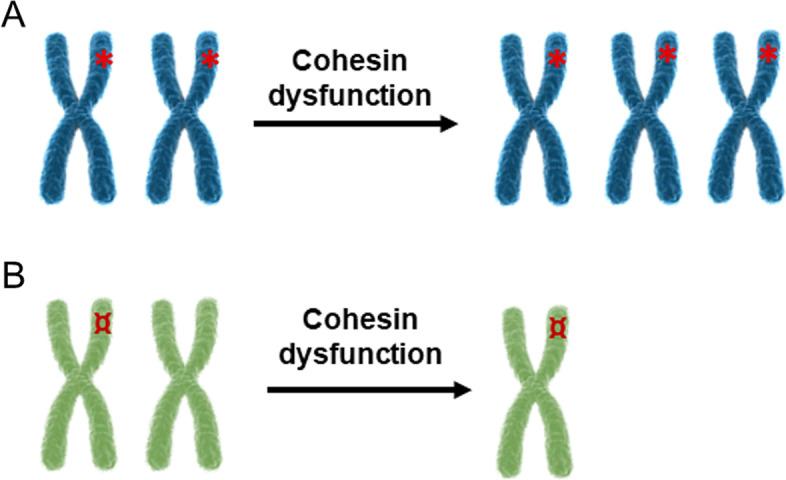
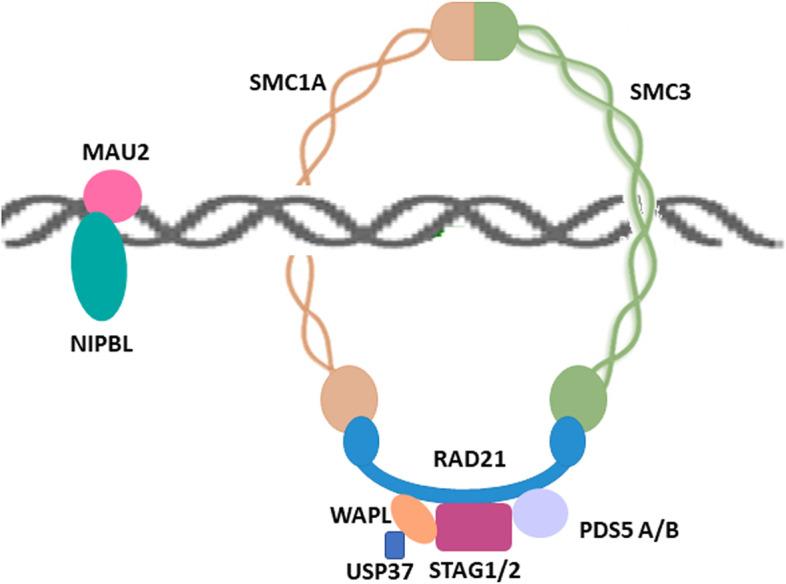
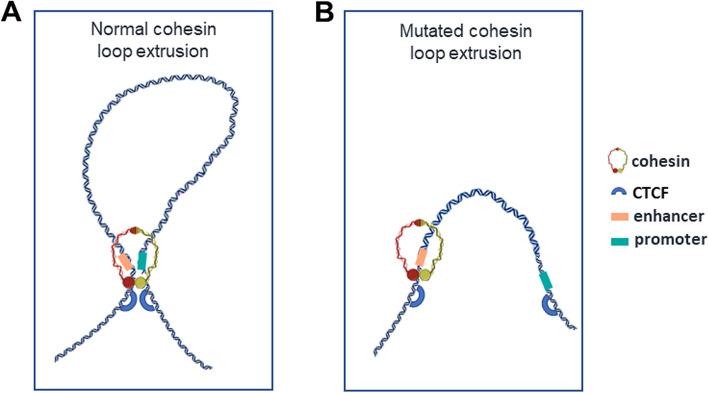
The cohesin complex controls faithful chromosome segregation by pairing sister chromatids after DNA replication until mitosis. In addition, it is crucial for hierarchal three-dimensional organization of the genome, transcription regulation and maintaining DNA integrity. The core complex subunits SMC1A, SMC3, STAG1/2, and RAD21 as well as its modulators, have been found to be recurrently mutated in human cancers. The mechanisms by which cohesin mutations trigger cancer development and disease progression are still poorly understood. Since cohesin is involved in a range of chromosome-related processes, the outcome of cohesin mutations in cancer is complex. Herein, we discuss recent discoveries regarding cohesin that provide new insight into its role in tumorigenesis.
黏连复合物通过在 DNA 复制后配对姐妹染色单体来控制染色体的正确分离,直到有丝分裂。此外,它对于基因组的层次化三维结构、转录调控和维持 DNA 完整性至关重要。核心复合物亚基 SMC1A、SMC3、STAG1/2 和 RAD21 及其调节剂已在人类癌症中被发现经常发生突变。黏连复合物突变引发癌症发生和疾病进展的机制仍知之甚少。由于黏连复合物参与了一系列与染色体相关的过程,因此黏连复合物突变在癌症中的后果是复杂的。本文讨论了黏连复合物的最新发现,为其在肿瘤发生中的作用提供了新的见解。
 Zotero 插件