
人类大脑中 TMEM106B 淀粉样纤维的形成具有年龄依赖性。
Age-dependent formation of TMEM106B amyloid filaments in human brains.
机构信息
Medical Research Council Laboratory of Molecular Biology, Cambridge, UK.
Department of Clinical Neurosciences, University of Cambridge, Cambridge, UK.
出版信息
Nature. 2022 May;605(7909):310-314. doi: 10.1038/s41586-022-04650-z. Epub 2022 Mar 28.
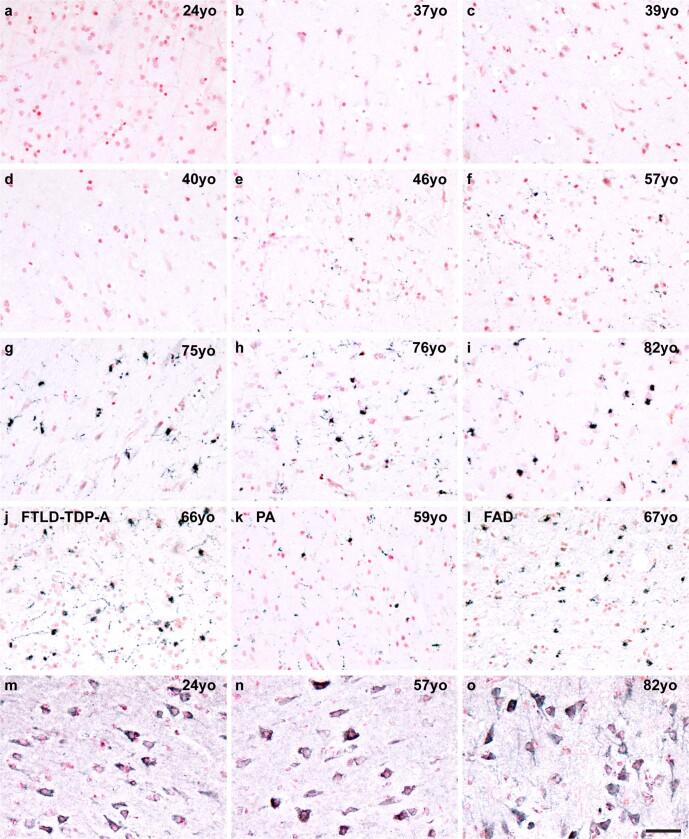
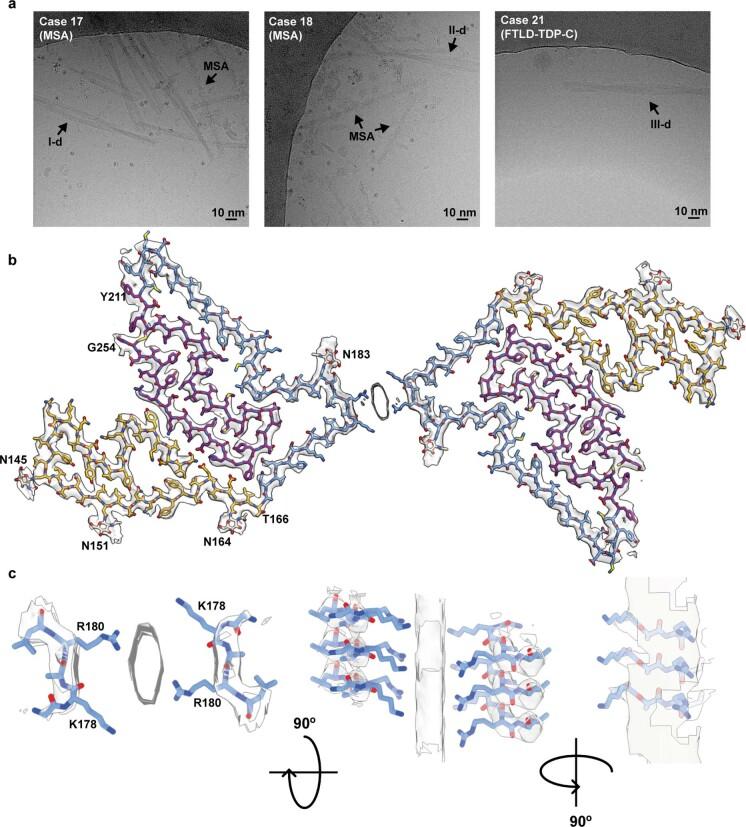
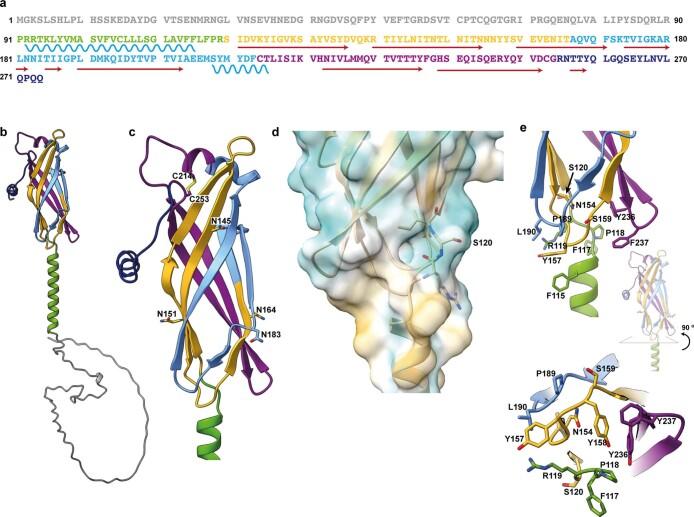
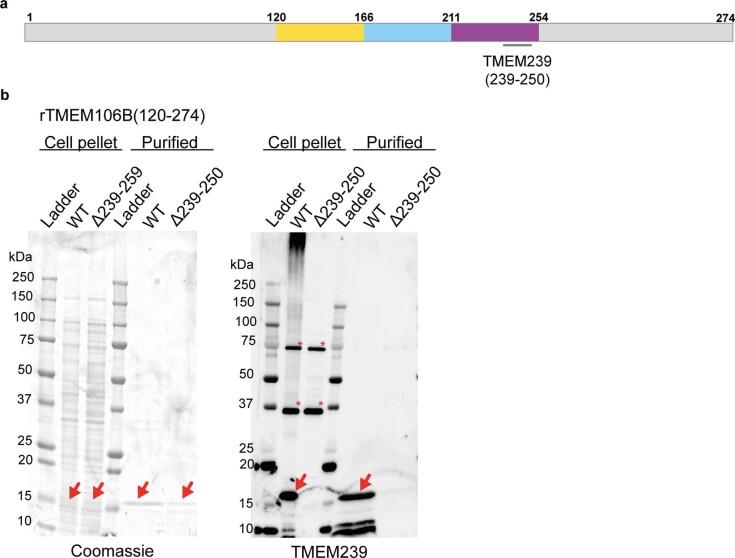
Many age-dependent neurodegenerative diseases, such as Alzheimer's and Parkinson's, are characterized by abundant inclusions of amyloid filaments. Filamentous inclusions of the proteins tau, amyloid-β, α-synuclein and transactive response DNA-binding protein (TARDBP; also known as TDP-43) are the most common. Here we used structure determination by cryogenic electron microscopy to show that residues 120-254 of the lysosomal type II transmembrane protein 106B (TMEM106B) also form amyloid filaments in human brains. We determined the structures of TMEM106B filaments from a number of brain regions of 22 individuals with abundant amyloid deposits, including those resulting from sporadic and inherited tauopathies, amyloid-β amyloidoses, synucleinopathies and TDP-43 proteinopathies, as well as from the frontal cortex of 3 individuals with normal neurology and no or only a few amyloid deposits. We observed three TMEM106B folds, with no clear relationships between folds and diseases. TMEM106B filaments correlated with the presence of a 29-kDa sarkosyl-insoluble fragment and globular cytoplasmic inclusions, as detected by an antibody specific to the carboxy-terminal region of TMEM106B. The identification of TMEM106B filaments in the brains of older, but not younger, individuals with normal neurology indicates that they form in an age-dependent manner.
许多与年龄相关的神经退行性疾病,如阿尔茨海默病和帕金森病,其特征是大量淀粉样丝的存在。tau、淀粉样β、α-突触核蛋白和反式激活反应 DNA 结合蛋白(也称为 TDP-43)的丝状包涵体最为常见。在这里,我们使用低温电子显微镜结构测定法表明,溶酶体 II 型跨膜蛋白 106B(TMEM106B)的 120-254 个残基也在人类大脑中形成淀粉样丝。我们从 22 名大量淀粉样沉积物的个体的多个大脑区域确定了 TMEM106B 纤维的结构,包括由散发性和遗传性 tau 病、淀粉样β淀粉样变性、突触核蛋白病和 TDP-43 蛋白病引起的沉积,以及来自 3 名具有正常神经学且无或仅有少量淀粉样沉积物的额叶皮层的个体。我们观察到三种 TMEM106B 折叠,折叠与疾病之间没有明确的关系。TMEM106B 纤维与 29kDa Sarkosyl 不溶性片段和球状细胞质包涵体的存在相关,这是通过针对 TMEM106B 羧基末端区域的抗体检测到的。在具有正常神经学的年龄较大但不是年龄较小的个体的大脑中发现 TMEM106B 纤维表明它们以年龄依赖性的方式形成。


 Zotero 插件