
牙周病原菌中间普氏菌生物膜和浮游生活方式分泌组的蛋白质组学分析。
Proteomic analysis of the periodontal pathogen Prevotella intermedia secretomes in biofilm and planktonic lifestyles.
机构信息
Oral Microbiology Research Laboratory, Department of Bioclinical Sciences, Faculty of Dentistry, Health Sciences Center, Kuwait University, PO Box 24923, 13110, Safat, Kuwait.
Department of Developmental and Preventive Sciences, Faculty of Dentistry, Health Sciences Center, Kuwait University, Safat, Kuwait.
出版信息
Sci Rep. 2022 Apr 4;12(1):5636. doi: 10.1038/s41598-022-09085-0.
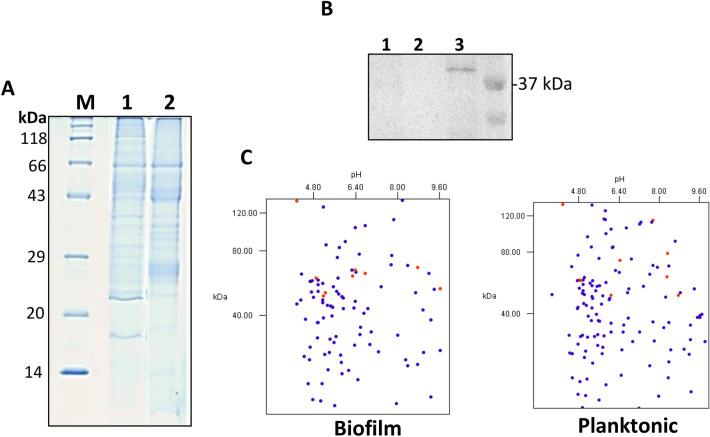
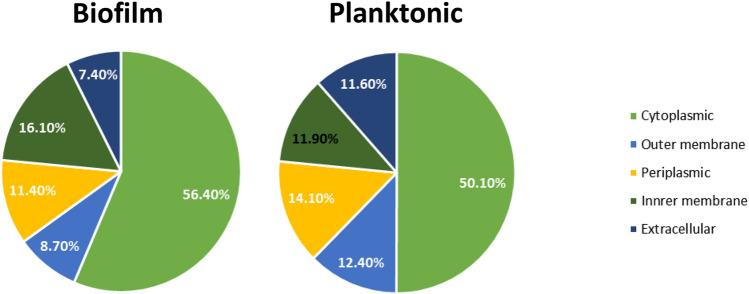
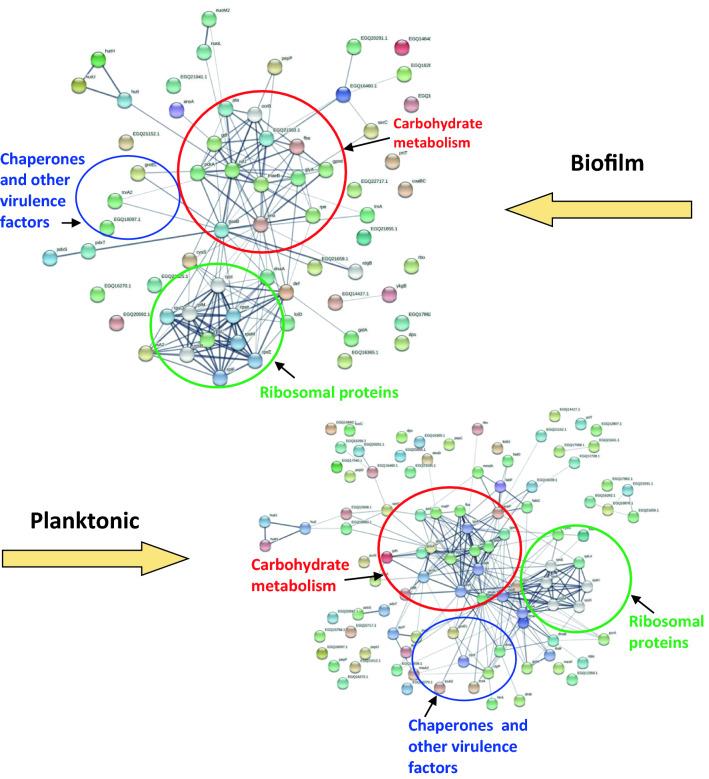
Prevotella intermedia is an important species associated with periodontitis. Despite the remarkable clinical significance, little is known about the molecular basis for its virulence. The aim of this study was to characterize the secretome of P. intermedia in biofilm and planktonic life mode. The biofilm secretome showed 109 proteins while the planktonic secretome showed 136 proteins. The biofilm and the planktonic secretomes contained 17 and 33 signal-peptide bearing proteins, 13 and 18 lipoproteins, respectively. Superoxide reductase, sensor histidine kinase, C40 family peptidase, elongation factor Tu, threonine synthase etc. were unique to biofilm. Of the ~ 30 proteins with predicted virulence potential from biofilm and planktonic secretomes, only 6 were common between the two groups, implying large differences between biofilm and planktonic modes of P. intermedia. From Gene Ontology biofilm secretome displayed a markedly higher percent proteins compared to planktonic secretome in terms of cellular amino acid metabolic process, nitrogen compound metabolic process etc. Inflammatory cytokine profile analysis revealed that only the biofilm secretome, not the planktonic one, induced important cytokines such as MIP-1α/MIP-1β, IL-1β, and IL-8. In conclusion, the revealed differences in the protein profiles of P. intermedia biofilm and planktonic secretomes may trigger further questions about molecular mechanisms how this species exerts its virulence potential in the oral cavity.
中间普氏菌是与牙周炎相关的重要物种。尽管其具有显著的临床意义,但对于其毒力的分子基础知之甚少。本研究旨在对中间普氏菌生物膜和浮游生活方式的分泌组进行表征。生物膜分泌组显示 109 种蛋白质,而浮游分泌组显示 136 种蛋白质。生物膜和浮游分泌组分别含有 17 种和 33 种信号肽携带蛋白、13 种和 18 种脂蛋白。超氧化物还原酶、传感器组氨酸激酶、C40 家族肽酶、延伸因子 Tu、苏氨酸合酶等仅存在于生物膜中。在生物膜和浮游分泌组中预测具有潜在毒力的约 30 种蛋白质中,只有 6 种在两组之间共同存在,这表明中间普氏菌生物膜和浮游两种方式之间存在很大差异。从基因本体论来看,与浮游分泌组相比,生物膜分泌组的细胞氨基酸代谢过程、含氮化合物代谢过程等方面的蛋白质比例明显更高。炎症细胞因子谱分析显示,只有生物膜分泌组而非浮游分泌组能够诱导重要的细胞因子,如 MIP-1α/MIP-1β、IL-1β 和 IL-8。总之,中间普氏菌生物膜和浮游分泌组的蛋白质谱差异可能引发进一步的问题,即该物种如何在口腔中发挥其毒力潜力的分子机制。


 Zotero 插件