
肽和蛋白质功能化的极性反转策略。
Umpolung strategies for the functionalization of peptides and proteins.
作者信息
White Andrew M, Palombi Isabella R, Malins Lara R
机构信息
Research School of Chemistry, Australian National University Canberra ACT 2601 Australia
Australian Research Council Centre of Excellence for Innovations in Peptide and Protein Science, Australian National University Canberra ACT 2601 Australia.
出版信息
Chem Sci. 2022 Feb 2;13(10):2809-2823. doi: 10.1039/d1sc06133j. eCollection 2022 Mar 9.
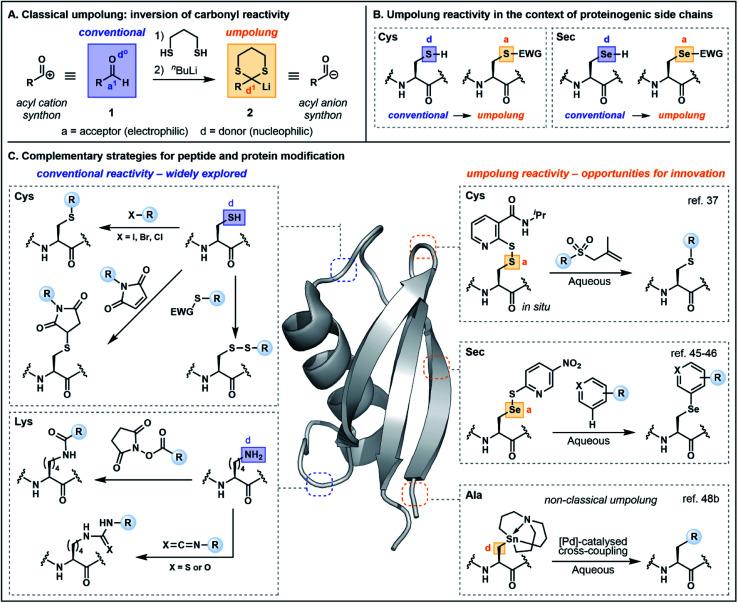
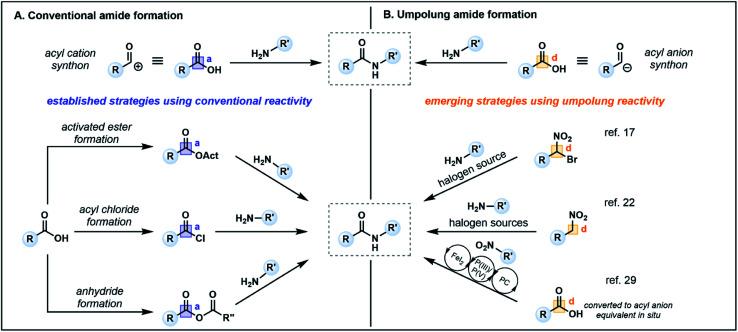
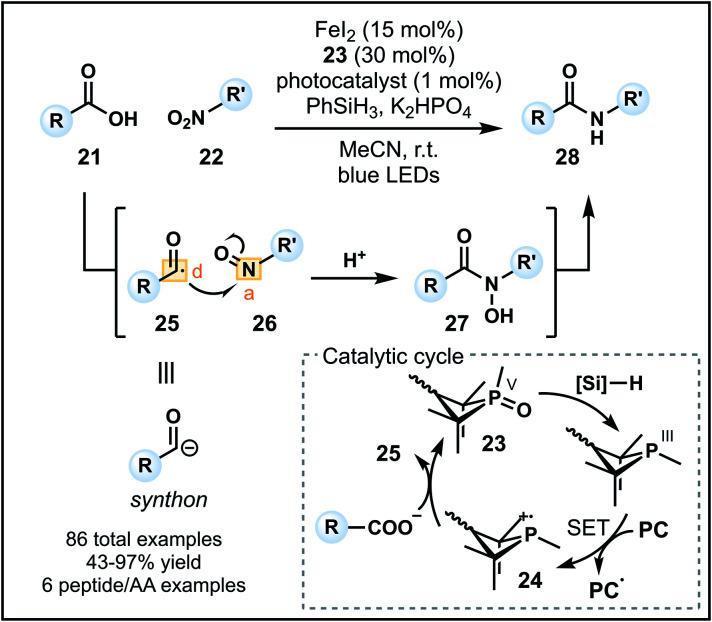
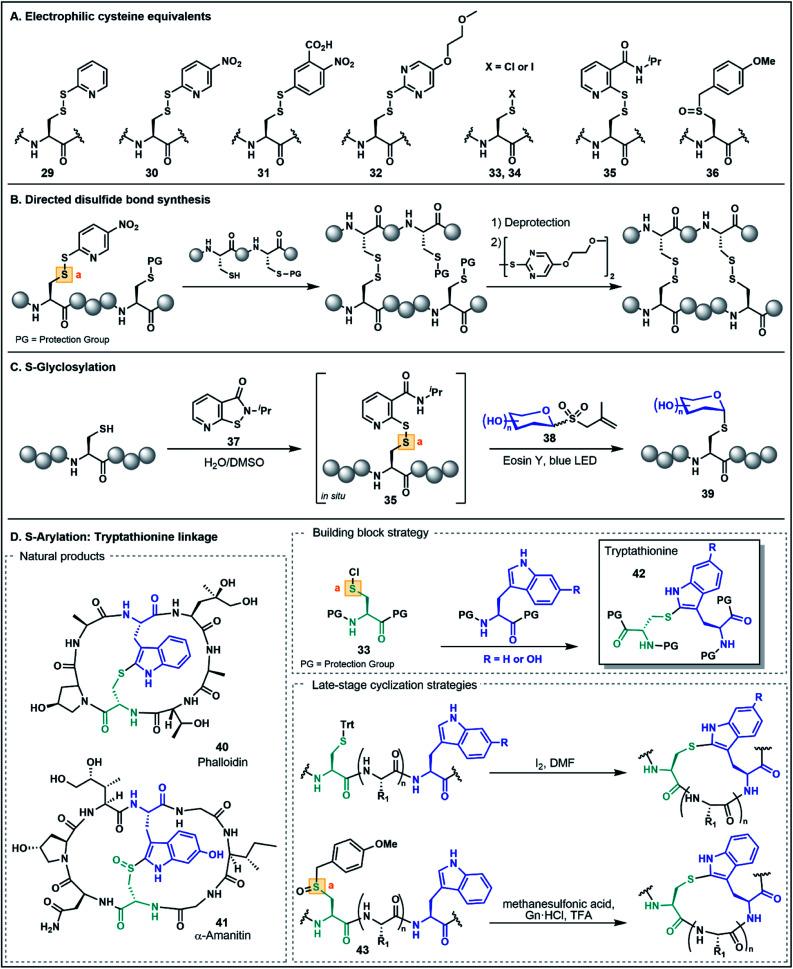
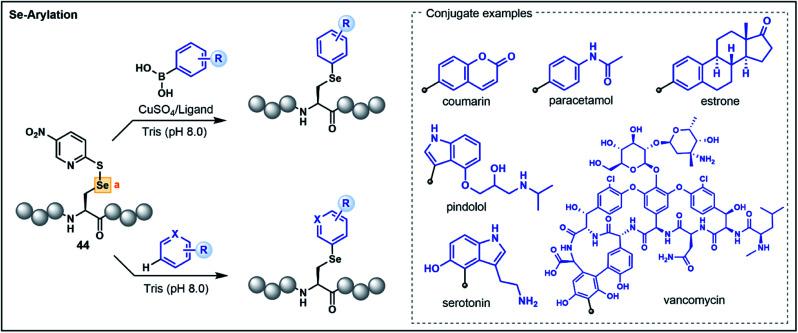
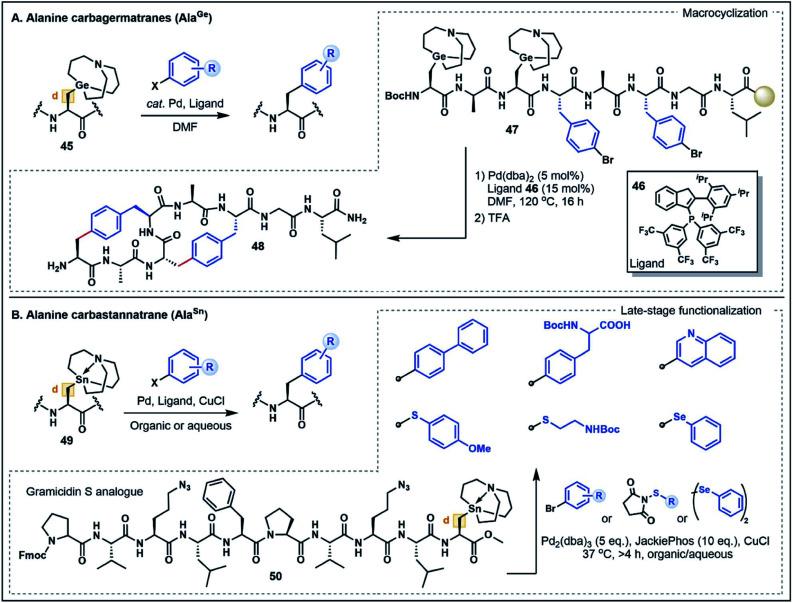
Umpolung strategies, defined as synthetic approaches which reverse commonly accepted reactivity patterns, are broadly recognized as enabling tools for small molecule synthesis and catalysis. However, methods which exploit this logic for peptide and protein functionalizations are comparatively rare, with the overwhelming majority of existing bioconjugation approaches relying on the well-established reactivity profiles of a handful of amino acids. This perspective serves to highlight a small but growing body of recent work that masterfully capitalizes on the concept of polarity reversal for the selective modification of proteinogenic functionalities. Current applications of umpolung chemistry in organic synthesis and chemical biology as well as the vast potential for further innovations in peptide and protein modification will be discussed.
极性翻转策略被定义为能够逆转通常被认可的反应模式的合成方法,被广泛认为是小分子合成和催化的有力工具。然而,将这种逻辑用于肽和蛋白质功能化的方法相对较少,绝大多数现有的生物共轭方法依赖于少数几种氨基酸已确立的反应特性。本文旨在强调最近一小部分但数量不断增加的研究工作,这些工作巧妙地利用了极性翻转的概念对蛋白质ogenic功能进行选择性修饰。将讨论极性翻转化学在有机合成和化学生物学中的当前应用,以及在肽和蛋白质修饰方面进一步创新的巨大潜力。






 Zotero 插件