
塑料废物管理策略及其环境方面:科学计量分析和综合评述。
Plastic Waste Management Strategies and Their Environmental Aspects: A Scientometric Analysis and Comprehensive Review.
机构信息
College of Civil Engineering, Nanjing Forestry University, Nanjing 210037, China.
Department of Civil Engineering, COMSATS University Islamabad, Abbottabad 22060, Pakistan.
出版信息
Int J Environ Res Public Health. 2022 Apr 10;19(8):4556. doi: 10.3390/ijerph19084556.
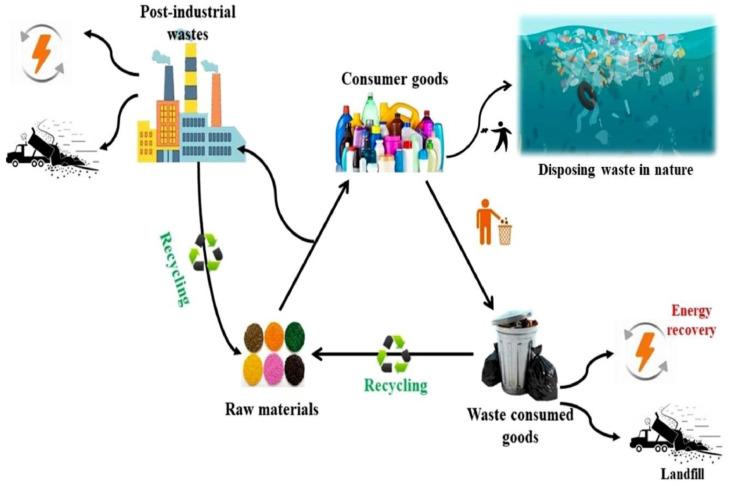
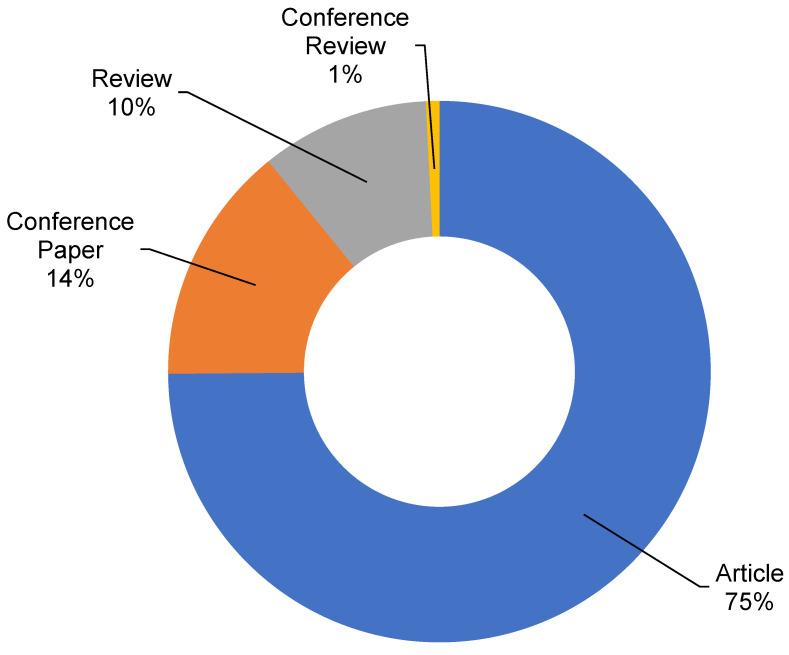
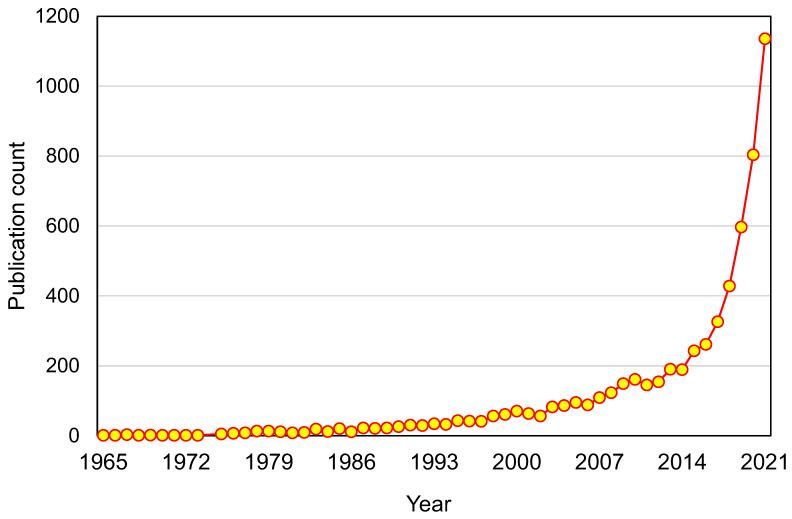
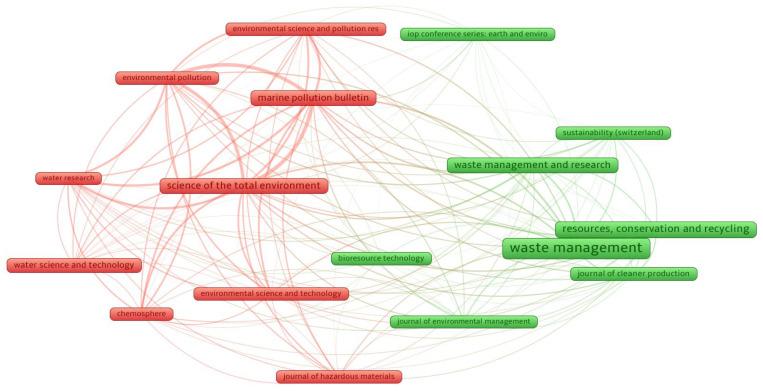
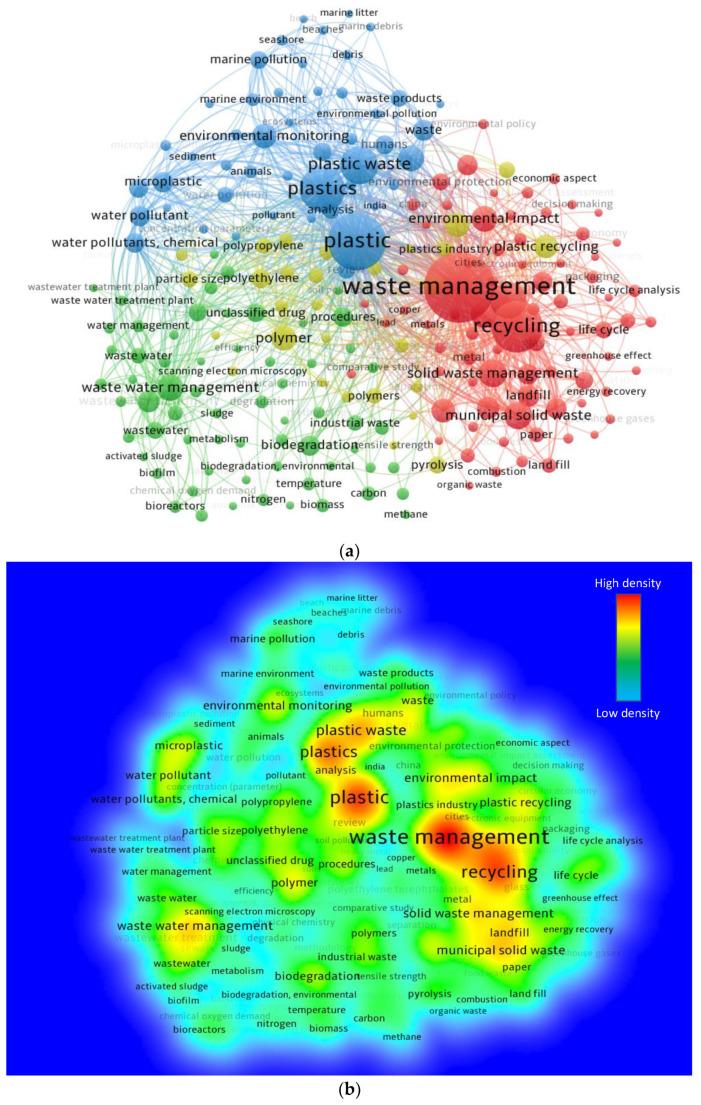
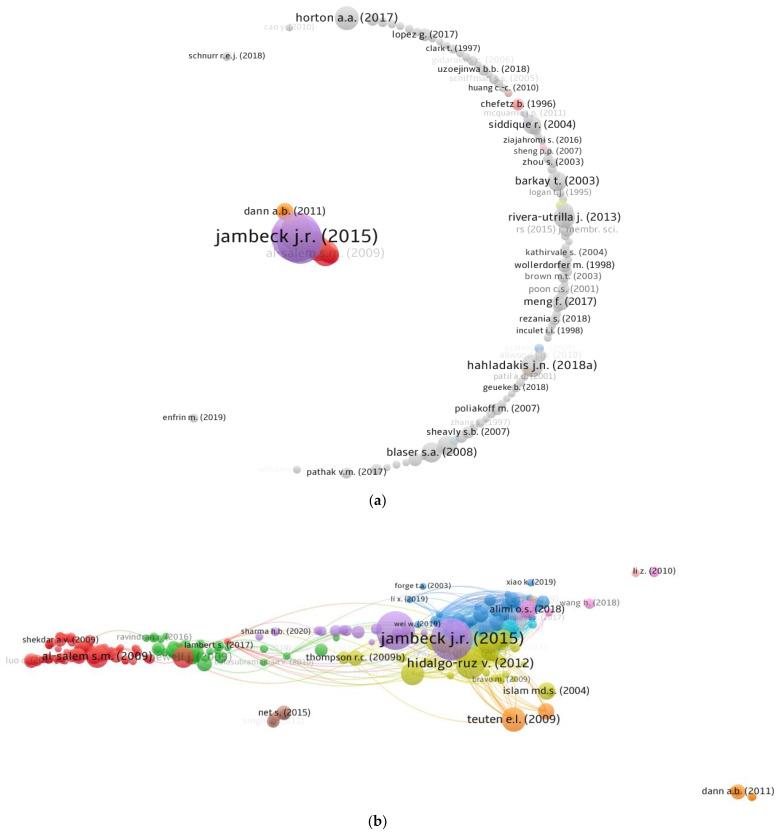
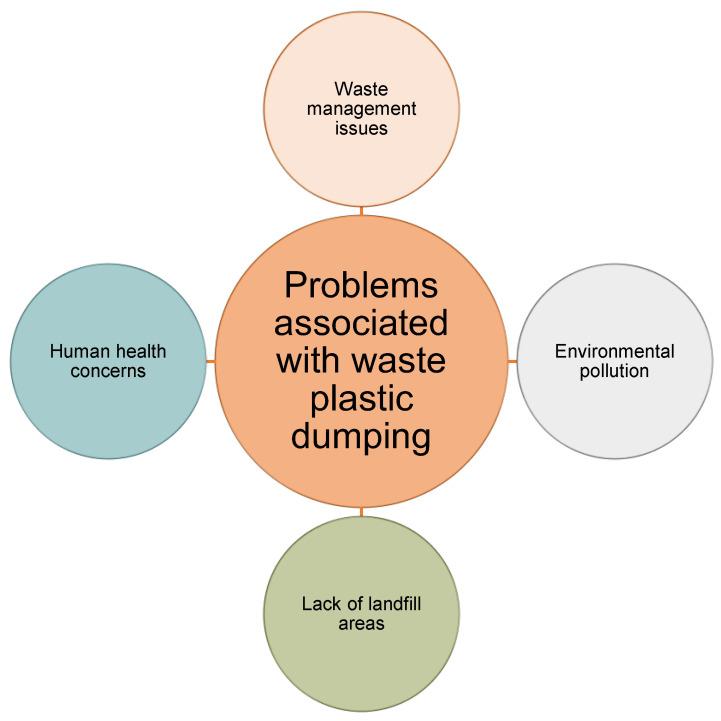
Plastic consumption increases with the growing population worldwide and results in increased quantities of plastic waste. There are various plastic waste management strategies; however, the present management progress is not sustainable, and plastic waste dumping in landfills is still the most commonly employed strategy. Being nonbiodegradable, plastic waste dumping in landfills creates several environmental and human health problems. Numerous research studies have been conducted recently to determine safe and ecologically beneficial methods of plastic waste handling. This article performed a bibliographic analysis of the available literature on plastic waste management using a computational approach. The highly used keywords, most frequently cited papers and authors, actively participating countries, and sources of publications were analyzed during the bibliographic analysis. In addition, the various plastic waste management strategies and their environmental benefits have been discussed. It has been concluded that among the six plastic waste management techniques (landfills, recycling, pyrolysis, liquefaction, road construction and tar, and concrete production), road construction and tar and concrete production are the two most effective strategies. This is due to significant benefits, such as ease of localization, decreased greenhouse gas emissions, and increased durability and sustainability of manufactured materials, structures, and roadways. Conversely, using landfills is the most undesirable strategy because of the associated environmental and human health concerns. Recycling has equal benefits and drawbacks. In comparison, pyrolysis and liquefaction are favorable due to the production of char and fuel, but high energy requirements limit their benefits. Hence, the use of plastic waste for construction applications is recommended.
塑料消耗量随着全球人口的增长而增加,导致塑料废物的数量增加。有各种塑料废物管理策略;然而,目前的管理进展是不可持续的,塑料废物仍在垃圾填埋场中倾倒。由于不可生物降解,塑料废物在垃圾填埋场中倾倒会造成许多环境和人类健康问题。最近进行了许多研究来确定安全和生态有益的塑料废物处理方法。本文使用计算方法对塑料废物管理的现有文献进行了文献分析。在文献分析过程中,分析了高使用频率的关键词、最常被引用的论文和作者、积极参与的国家以及出版物的来源。此外,还讨论了各种塑料废物管理策略及其环境效益。得出的结论是,在六种塑料废物管理技术(垃圾填埋、回收、热解、液化、道路建设和焦油以及混凝土生产)中,道路建设和焦油以及混凝土生产是两种最有效的策略。这是因为它们具有显著的优势,例如易于本地化、减少温室气体排放以及提高制造材料、结构和道路的耐用性和可持续性。相反,使用垃圾填埋场是最不可取的策略,因为它涉及到环境和人类健康问题。回收具有同等的优点和缺点。相比之下,热解和液化由于产生炭和燃料而有利,但高能量需求限制了它们的好处。因此,建议将塑料废物用于建筑应用。







 Zotero 插件