
磷酸盐管理的过去、现在与未来
Past, Present, and Future of Phosphate Management.
作者信息
Doshi Simit M, Wish Jay B
机构信息
Division of Nephrology, Department of Medicine, Indiana University School of Medicine, Indianapolis, Indiana, USA.
出版信息
Kidney Int Rep. 2022 Feb 1;7(4):688-698. doi: 10.1016/j.ekir.2022.01.1055. eCollection 2022 Apr.
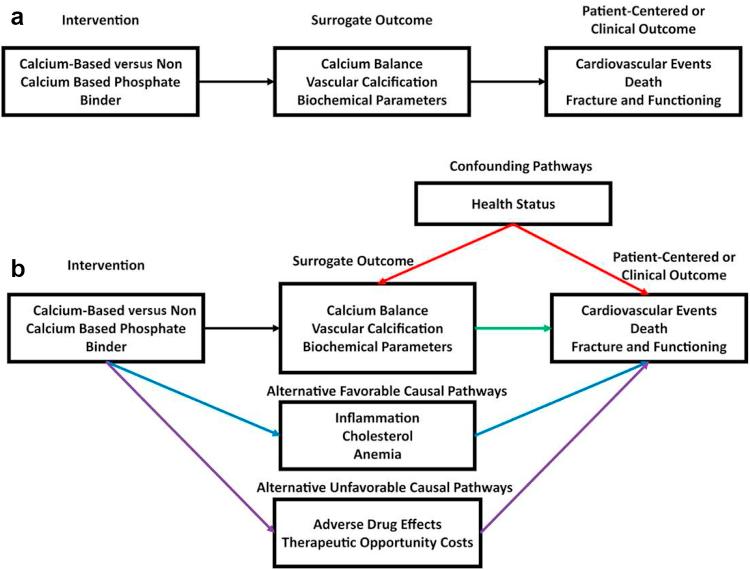
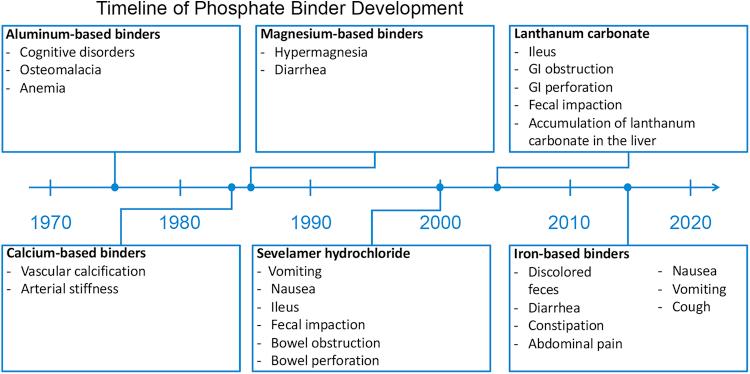
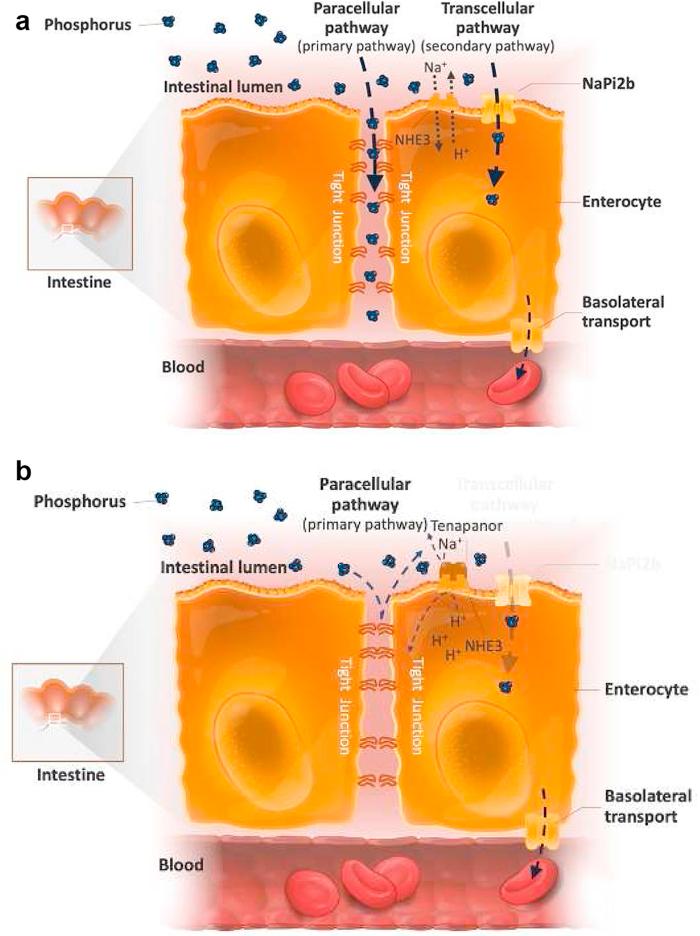
Cardiovascular (CV) disease (CVD) accounts for >50% of deaths with known causes in patients on dialysis. Elevated serum phosphorus levels are an important nontraditional risk factor for bone mineral disease and CVD in patients with chronic kidney disease (CKD). Given that phosphorus concentrations drive other disorders associated with increased CV risk (e.g., endothelial dysfunction, vascular calcification, fibroblast growth factor-23, parathyroid hormone), phosphate is a logical target to improve CV health. Phosphate binders are the only pharmacologic treatment approved for hyperphosphatemia. Although their safety has improved since inception, the mechanism of action leads to characteristics that make ingestion difficult and unpleasant; large pill size, objectionable taste, and multiple pills required for each meal and snack make phosphate binders a burden. Side effects, especially those affecting the gastrointestinal (GI) system, are common with binders, often leading to treatment discontinuation. The presence of "hidden" phosphates in processed foods and certain medications makes phosphate management even more challenging. Owing to these significant issues, most patients on dialysis are not consistently achieving and maintaining target phosphorus concentrations of <5.5 mg/dl, let alone more normal levels of <4.5 mg/dl, indicating novel approaches to improve phosphate management and CV health are needed. Several new nonbinder therapies that target intestinal phosphate absorption pathways have been developed. These include EOS789, which acts on the transcellular pathway, and tenapanor, which targets the dominant paracellular pathway. As observational evidence has established a strong association between phosphorus concentration and clinical outcomes, such as mortality, phosphate is an important target for improving the health of patients with CKD and end-stage kidney disease (ESKD).
心血管(CV)疾病(CVD)在接受透析的患者已知病因死亡中占比超过50%。血清磷水平升高是慢性肾脏病(CKD)患者发生骨矿物质疾病和CVD的重要非传统危险因素。鉴于磷浓度会引发其他与心血管风险增加相关的病症(如内皮功能障碍、血管钙化、成纤维细胞生长因子-23、甲状旁腺激素),磷酸盐是改善心血管健康的合理靶点。磷酸盐结合剂是唯一被批准用于治疗高磷血症的药物治疗方法。尽管自问世以来其安全性有所提高,但其作用机制导致其具有一些特点,使得服用困难且令人不适;药片尺寸大、味道难闻,每餐和每次零食都需要服用多片,这使得磷酸盐结合剂成为一种负担。副作用,尤其是影响胃肠道(GI)系统的副作用,在结合剂治疗中很常见,常常导致治疗中断。加工食品和某些药物中存在“隐藏”的磷酸盐,这使得磷的管理更具挑战性。由于这些重大问题,大多数透析患者无法持续达到并维持<5.5mg/dl的目标磷浓度,更不用说<4.5mg/dl的更正常水平了,这表明需要新的方法来改善磷的管理和心血管健康。已经开发了几种针对肠道磷吸收途径的新型非结合剂疗法。其中包括作用于跨细胞途径的EOS789和靶向主要细胞旁途径的替那帕诺。由于观察证据已证实磷浓度与临床结局(如死亡率)之间存在密切关联,因此磷是改善CKD和终末期肾病(ESKD)患者健康的重要靶点。
 Zotero 插件