
缺血性脑卒中的神经元死亡机制和治疗策略。
Neuronal Death Mechanisms and Therapeutic Strategy in Ischemic Stroke.
机构信息
Department of Neurology, Affiliated Drum Tower Hospital, Medical School of Nanjing University, Nanjing, 210008, China.
The State Key Laboratory of Pharmaceutical Biotechnology, Institute of Brain Science, Nanjing University, Nanjing, 210008, China.
出版信息
Neurosci Bull. 2022 Oct;38(10):1229-1247. doi: 10.1007/s12264-022-00859-0. Epub 2022 May 5.
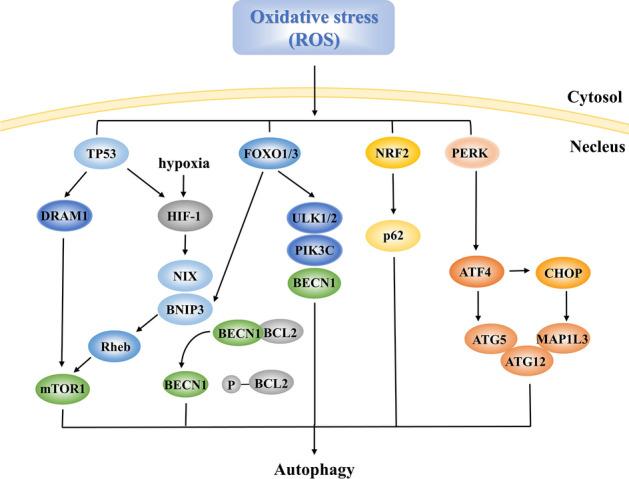
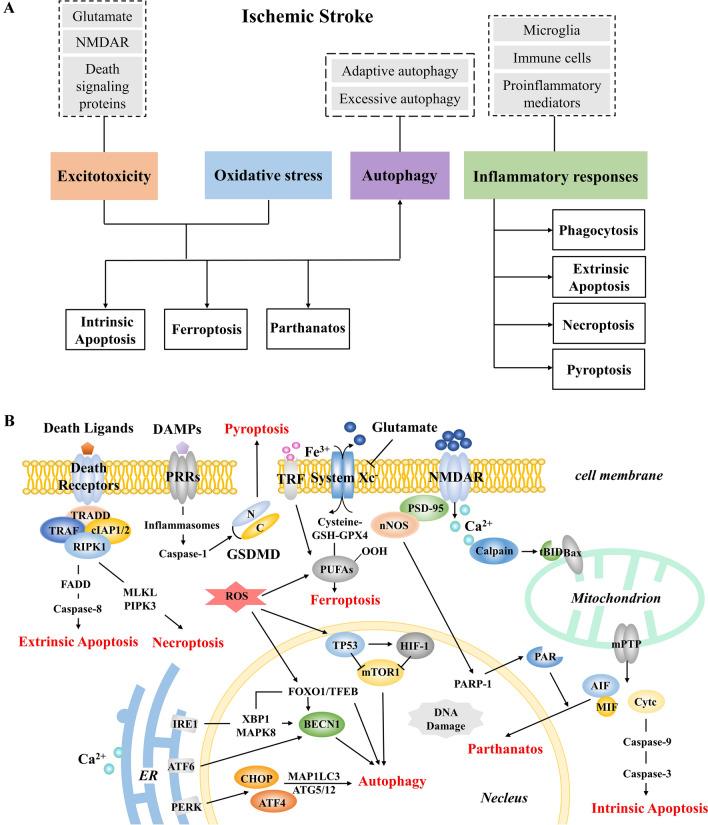
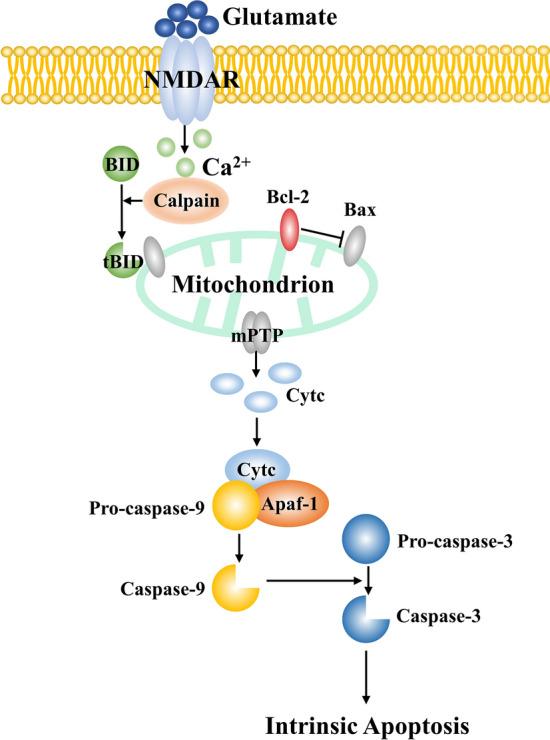
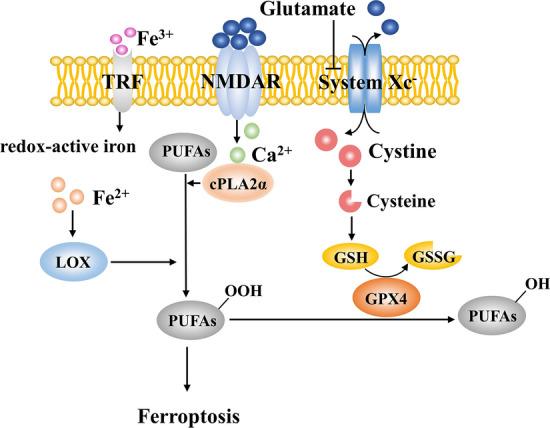
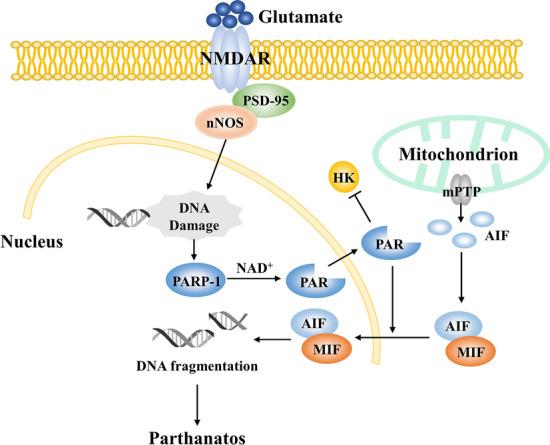
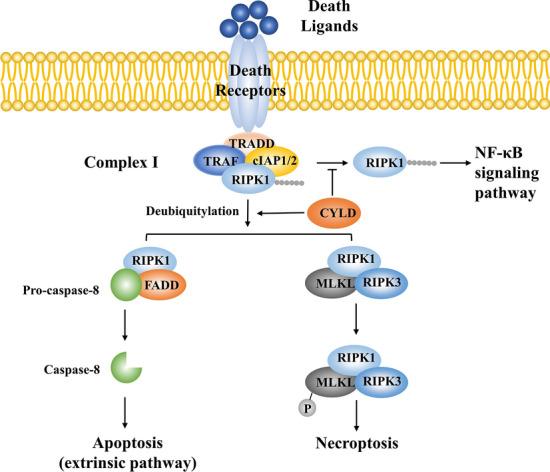
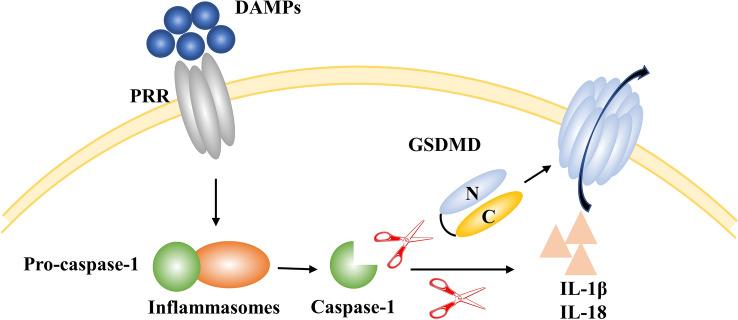
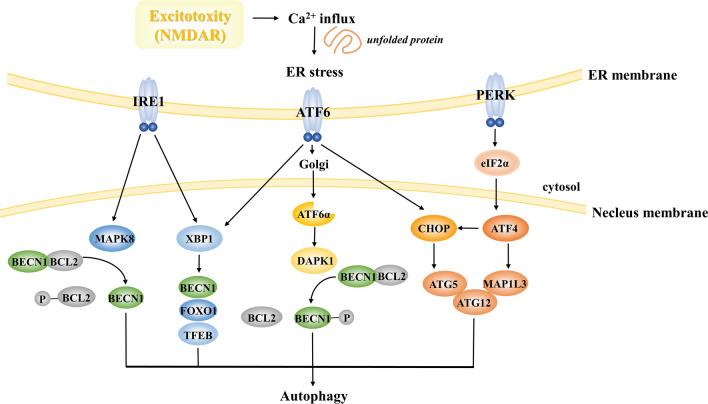
Ischemic stroke caused by intracranial vascular occlusion has become increasingly prevalent with considerable mortality and disability, which gravely burdens the global economy. Current relatively effective clinical treatments are limited to intravenous alteplase and thrombectomy. Even so, patients still benefit little due to the short therapeutic window and the risk of ischemia/reperfusion injury. It is therefore urgent to figure out the neuronal death mechanisms following ischemic stroke in order to develop new neuroprotective strategies. Regarding the pathogenesis, multiple pathological events trigger the activation of cell death pathways. Particular attention should be devoted to excitotoxicity, oxidative stress, and inflammatory responses. Thus, in this article, we first review the principal mechanisms underlying neuronal death mediated by these significant events, such as intrinsic and extrinsic apoptosis, ferroptosis, parthanatos, pyroptosis, necroptosis, and autophagic cell death. Then, we further discuss the possibility of interventions targeting these pathological events and summarize the present pharmacological achievements.
由颅内血管阻塞引起的缺血性脑卒中发病率日益增高,具有较高的死亡率和致残率,严重影响全球经济。目前相对有效的临床治疗方法仅限于静脉注射阿替普酶和血栓切除术。即使如此,由于治疗窗口期短和缺血/再灌注损伤的风险,患者仍然受益甚微。因此,迫切需要弄清楚缺血性脑卒中后的神经元死亡机制,以便开发新的神经保护策略。关于发病机制,多种病理事件引发细胞死亡途径的激活。特别需要关注兴奋性毒性、氧化应激和炎症反应。因此,在本文中,我们首先回顾了这些重要事件介导的神经元死亡的主要机制,如内在和外在凋亡、铁死亡、PARP 过度激活诱导的坏死、细胞焦亡、坏死性凋亡和自噬性细胞死亡。然后,我们进一步讨论了针对这些病理事件的干预的可能性,并总结了目前的药理学成就。
 Zotero 插件