
评估城市居民对可持续城市环境管理的环境认知、态度和意识:以孟加拉国达卡为例
Assessment of the environmental perceptions, attitudes, and awareness of city dwellers regarding sustainable urban environmental management: a case study of Dhaka, Bangladesh.
作者信息
Nahar Najmun, Hossain Zakaria, Mahiuddin Sanjia
机构信息
Department of Geography and Environment, Faculty of Life and Earth Science, Jagannath University, Dhaka, 1100 Bangladesh.
Department of Environmental Science and Technology, Faculty of Bioresources, Mie University, Tsu, Mie 514-8507 Japan.
出版信息
Environ Dev Sustain. 2022 May 4:1-29. doi: 10.1007/s10668-022-02354-y.
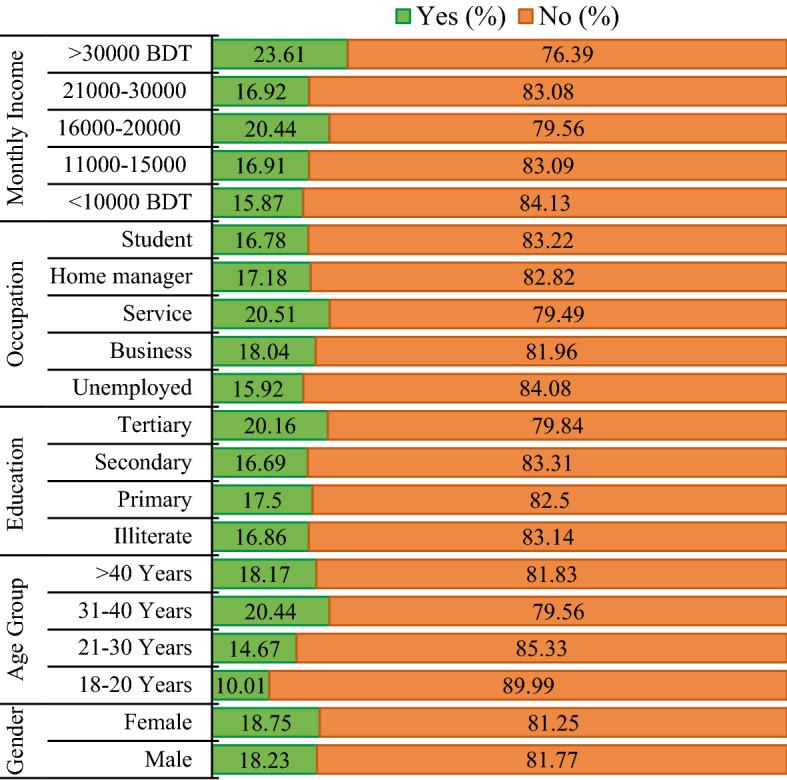
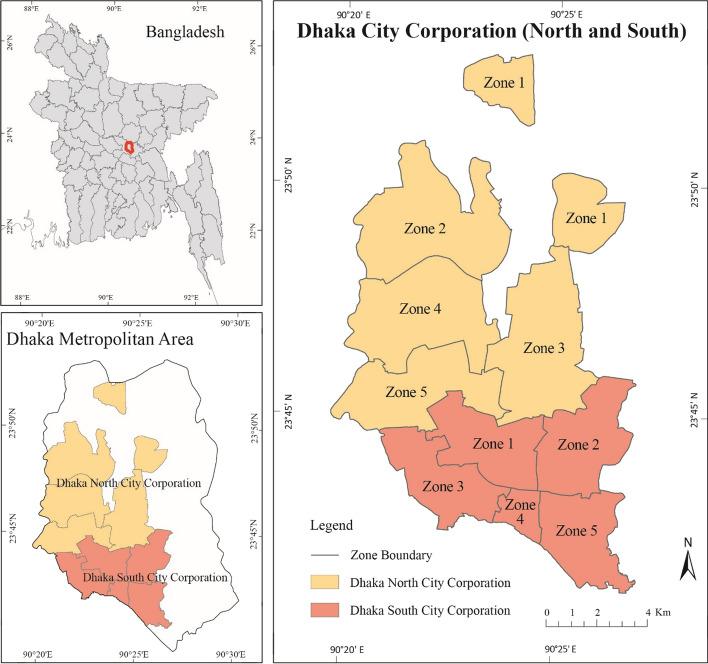
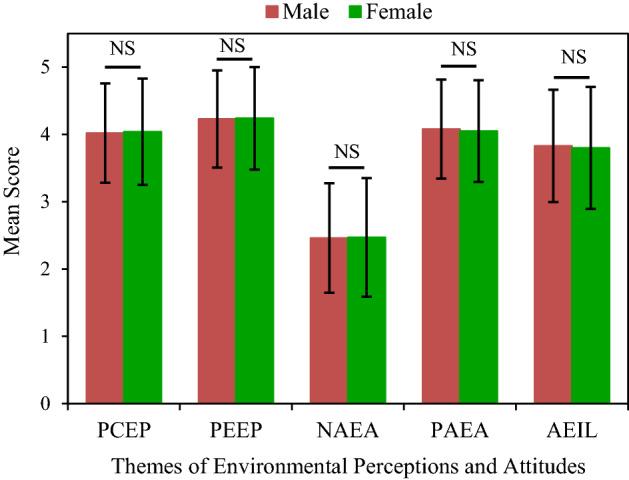
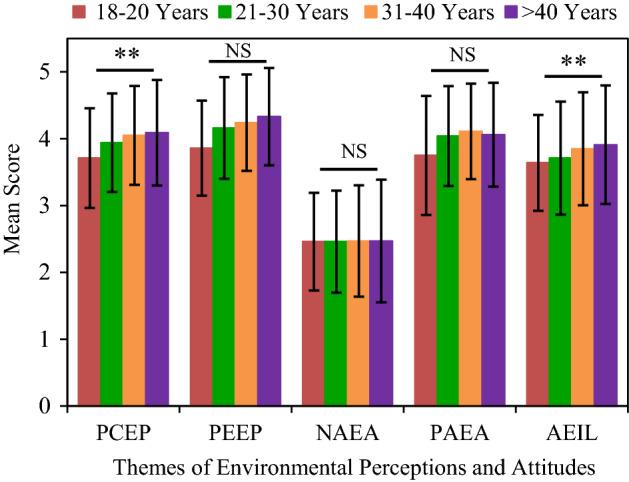
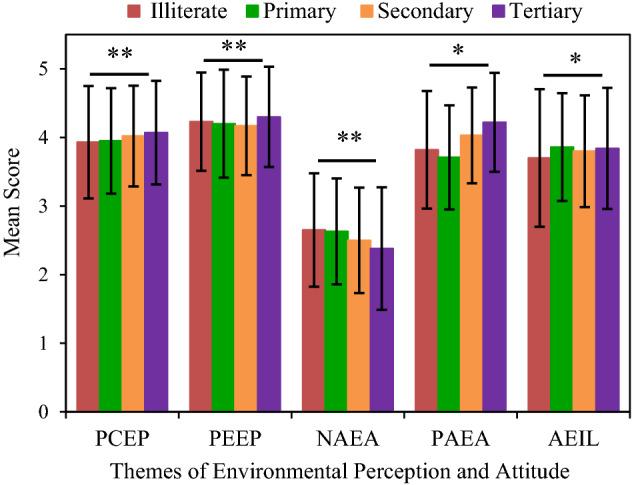
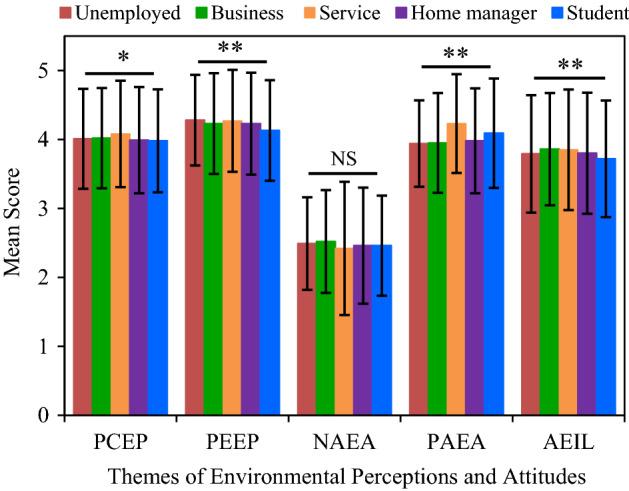
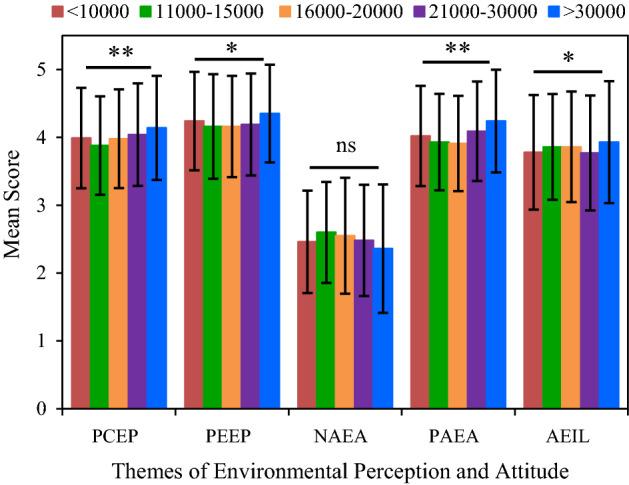
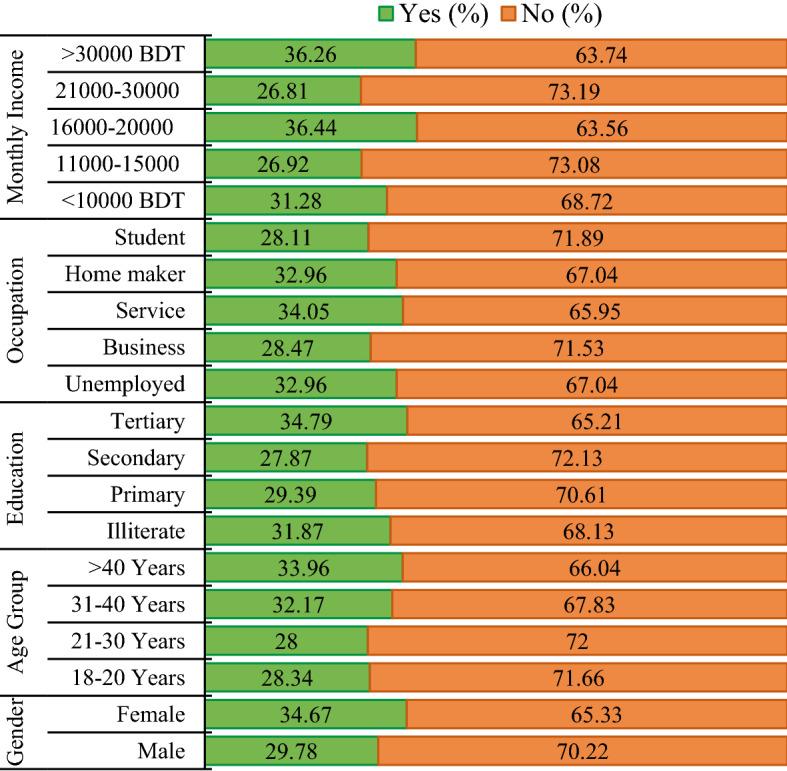
Environmental problems are very concerning, particularly in many cities of developing countries, because they obstruct the creation of a sustainable urban environment. Dhaka, Bangladesh was chosen as the research area of this study, as Bangladesh is a developing country with pollution; moreover, the level of residents' environmental perception was assessed, and their environmental attitudes and awareness were examined in relation to their demographic characteristics. A face-to-face questionnaire survey involving 400 respondents was conducted across various zones of the study area. The mean score, standard deviation, and value of each respondent's answer were calculated separately using a one-way analysis of variance (ANOVA). Then, a grand mean, average standard deviation, and combined values for environmental perception and attitude themes were computed theme-wise. Descriptive statistics were produced to illustrate the respondents' level of environmental awareness. The study results revealed that the respondents had a moderate to high level of perceived knowledge about the causes and effects of environmental pollution. They also had an intention to reduce the environmental pollution in their surroundings. The score differences ( < .05) across the age groups, education levels, occupation types, and income groups were nearly all significant, except for those pertaining to the gender of the respondents. Surprisingly, only 18% of the respondents were aware of their home's and neighborhood's garbage management procedures. It is urgent to influence citizens' environmental behaviors to ensure the city's long-term sustainability. This study's findings can be used in decision-making processes regarding sustainable urban environments worldwide.
环境问题令人十分担忧,尤其是在发展中国家的许多城市,因为它们阻碍了可持续城市环境的创建。本研究选择孟加拉国的达卡作为研究区域,因为孟加拉国是一个存在污染问题的发展中国家;此外,评估了居民的环境认知水平,并结合其人口特征考察了他们的环境态度和意识。在研究区域的各个区域对400名受访者进行了面对面问卷调查。使用单因素方差分析(ANOVA)分别计算每个受访者答案的平均分、标准差和F值。然后,按主题计算环境认知和态度主题的总平均分、平均标准差和综合F值。生成描述性统计数据以说明受访者的环境意识水平。研究结果显示,受访者对环境污染的成因和影响有中等至较高水平的认知。他们也有减少周围环境污染的意愿。除了与受访者性别相关的差异外,不同年龄组、教育水平、职业类型和收入组之间的得分差异(p<0.05)几乎都具有显著性。令人惊讶的是,只有18%的受访者了解其家庭和社区的垃圾管理程序。迫切需要影响公民的环境行为以确保城市的长期可持续性。本研究的结果可用于全球范围内关于可持续城市环境的决策过程。

 Zotero 插件