
聚苯乙烯微塑料减轻磷酸三(2-氯乙基)酯对海洋轮虫的毒性:特征和分子证据。
Alleviation of Tris(2-chloroethyl) Phosphate Toxicity on the Marine Rotifer by Polystyrene Microplastics: Features and Molecular Evidence.
机构信息
College of Marine Life Sciences, Ocean University of China, Qingdao 266003, China.
Laboratory for Marine Ecology and Environmental Science, Pilot National Laboratory for Marine Science and Technology, Qingdao 266237, China.
出版信息
Int J Mol Sci. 2022 Apr 29;23(9):4934. doi: 10.3390/ijms23094934.
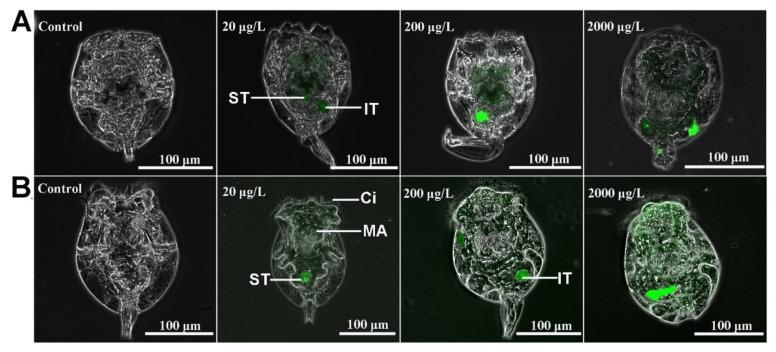
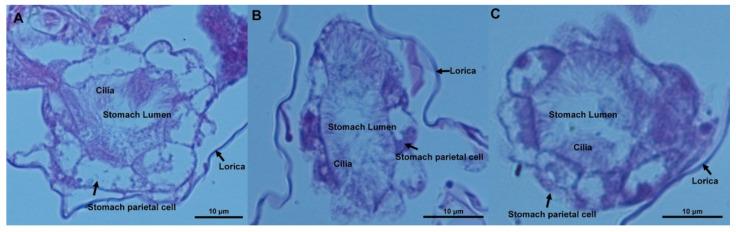
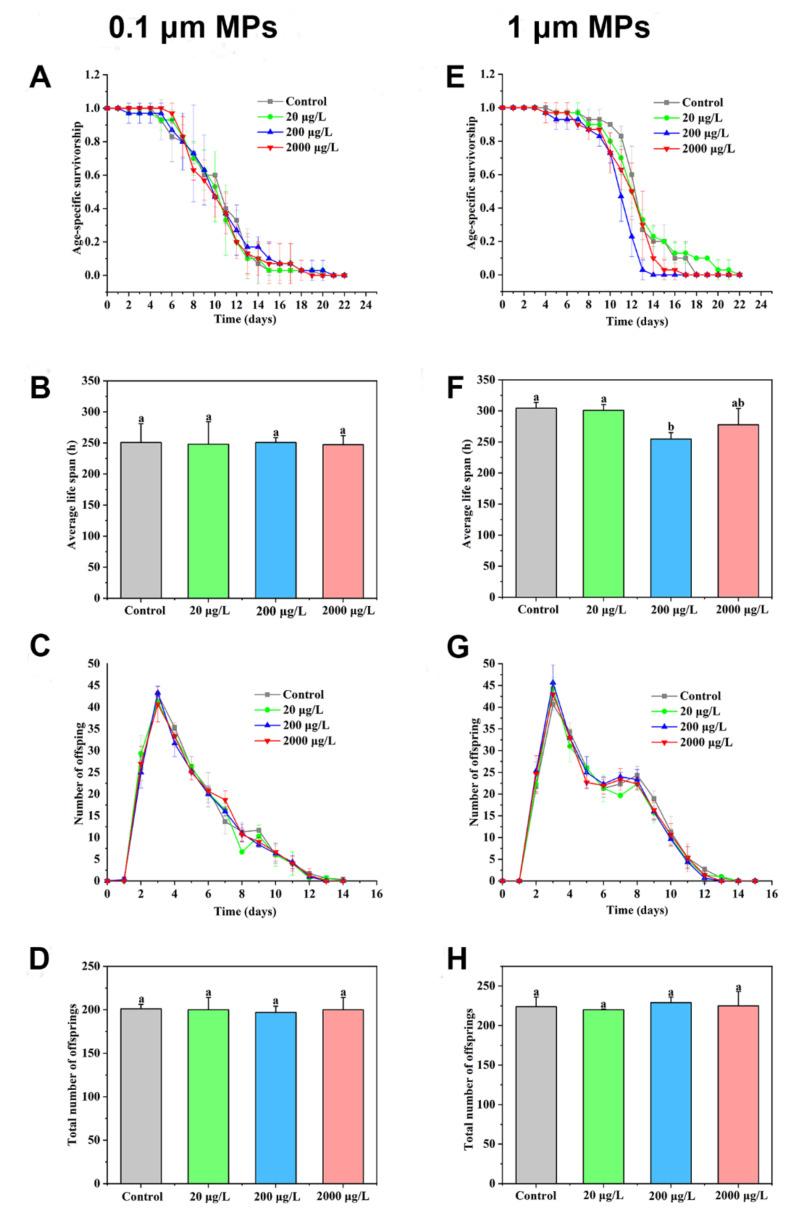
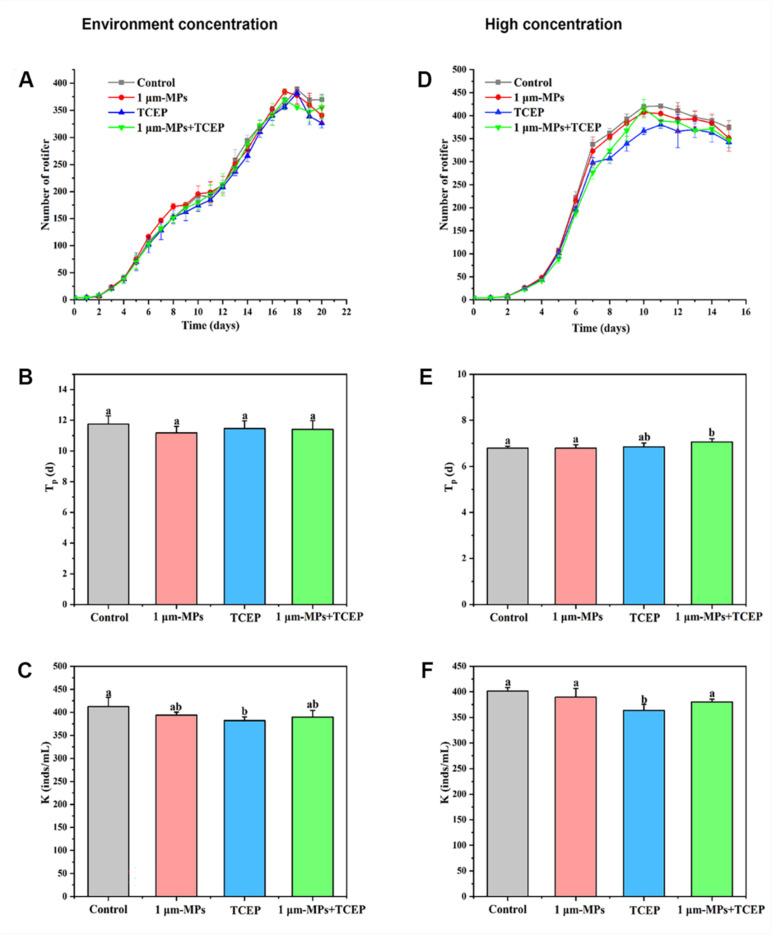
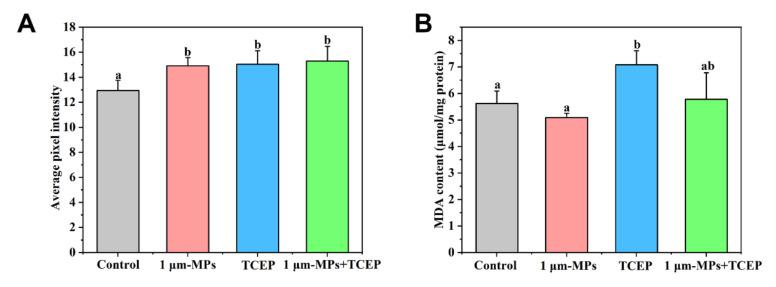
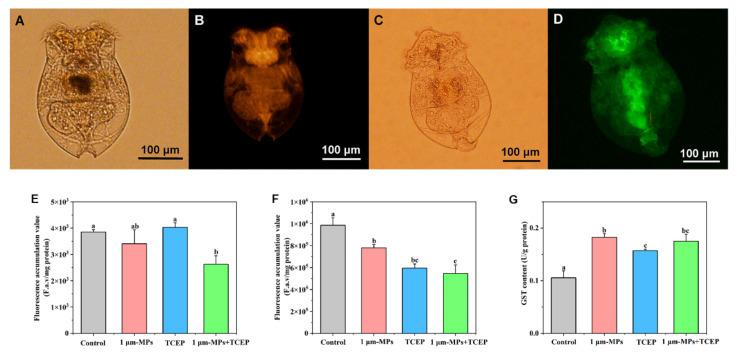
As emerging pollutants, microplastics (MPs) and organophosphorus esters (OPEs) coexist in the aquatic environment, posing a potential threat to organisms. Although toxicological studies have been conducted individually, the effects of combined exposure are unknown since MPs can interact with OPEs acting as carriers. In this study, we assessed the response of marine rotifer, , to co-exposure to polystyrene MPs and tris(2-chloroethyl) phosphate (TCEP) at different concentrations, including population growth, oxidative status, and transcriptomics. Results indicated that 0.1 μm and 1 μm MPs were accumulated in the digestive system, and, even at up to 2000 μg/L, they did not exert obvious damage to the stomach morphology, survival, and reproduction of . The presence of 1 μm MPs reversed the low population growth rate and high oxidative stress induced by TCEP to the normal level. Some genes involved in metabolic detoxification and stress response were upregulated, such as ABC and . Subsequent validation showed that P-glycoprotein efflux ability was activated by combined exposure, indicating its important role in the reversal of population growth inhibition. Such results challenge the common perception that MPs aggravate the toxicity of coexisting pollutants and elucidate the molecular mechanism of the limited toxic effects induced by MPs and TCEP.
作为新兴污染物,微塑料(MPs)和有机磷酸酯(OPEs)共存于水环境中,对生物体构成潜在威胁。尽管已经进行了单独的毒理学研究,但由于 MPs 可以作为载体与 OPEs 相互作用,因此联合暴露的影响尚不清楚。在这项研究中,我们评估了海洋轮虫对聚苯乙烯 MPs 和三(2-氯乙基)磷酸酯(TCEP)在不同浓度下联合暴露的反应,包括种群增长、氧化状态和转录组学。结果表明,0.1μm 和 1μm MPs 积累在消化系统中,即使在高达 2000μg/L 的浓度下,它们对胃形态、轮虫的生存和繁殖没有明显的损害。1μm MPs 的存在将 TCEP 引起的低种群增长率和高氧化应激恢复到正常水平。一些参与代谢解毒和应激反应的基因上调,如 ABC 和 。随后的验证表明,联合暴露激活了 P-糖蛋白外排能力,表明其在逆转种群增长抑制中的重要作用。这些结果挑战了 MPs 加剧共存污染物毒性的普遍认识,并阐明了 MPs 和 TCEP 诱导的有限毒性效应的分子机制。


 Zotero 插件