
纳米药物递送系统抗多药耐药性的最新进展。
Recent advances in anti-multidrug resistance for nano-drug delivery system.
机构信息
Department of Pharmaceutics, School of Pharmacy, Qingdao University, Qingdao, China.
出版信息
Drug Deliv. 2022 Dec;29(1):1684-1697. doi: 10.1080/10717544.2022.2079771.
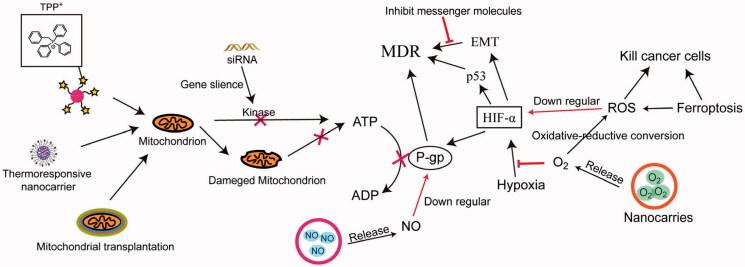
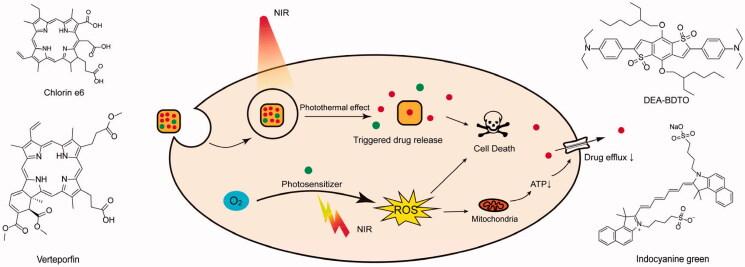
Chemotherapy for tumors occasionally results in drug resistance, which is the major reason for the treatment failure. Higher drug doses could improve the therapeutic effect, but higher toxicity limits the further treatment. For overcoming drug resistance, functional nano-drug delivery system (NDDS) has been explored to sensitize the anticancer drugs and decrease its side effects, which are applied in combating multidrug resistance (MDR) via a variety of mechanisms including bypassing drug efflux, controlling drug release, and disturbing metabolism. This review starts with a brief report on the major MDR causes. Furthermore, we searched the papers from NDDS and introduced the recent advances in sensitizing the chemotherapeutic drugs against MDR tumors. Finally, we concluded that the NDDS was based on several mechanisms, and we looked forward to the future in this field.
肿瘤化疗偶尔会导致药物耐药性,这是治疗失败的主要原因。增加药物剂量可以提高治疗效果,但更高的毒性会限制进一步的治疗。为了克服耐药性,人们探索了功能性纳米药物递送系统(NDDS)来增敏抗癌药物并降低其副作用,该系统通过多种机制应用于对抗多药耐药(MDR),包括绕过药物外排、控制药物释放和干扰代谢。本综述首先简要报告了主要的 MDR 原因。此外,我们从 NDDS 中搜索了论文,并介绍了增敏化疗药物对抗 MDR 肿瘤的最新进展。最后,我们得出结论,NDDS 基于多种机制,并对该领域的未来进行了展望。
 Zotero 插件