
COVID-19 大流行期间的肿瘤学:封锁视角。
Oncology During the COVID-19 Pandemic: a Lockdown Perspective.
机构信息
School of Medicine, University of Adelaide, Adelaide, South Australia, Australia.
Icon Cancer Centre Adelaide, Kurralta Park, South Australia, 5037, Australia.
出版信息
Curr Oncol Rep. 2022 Oct;24(10):1219-1235. doi: 10.1007/s11912-022-01301-4. Epub 2022 May 27.
PURPOSE FOR REVIEW
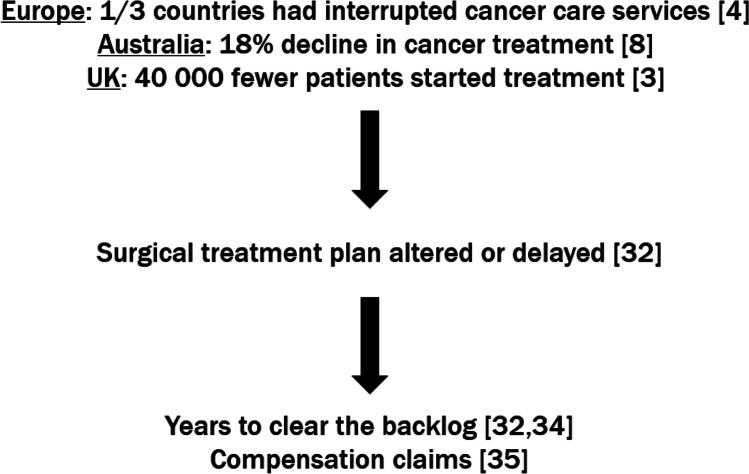
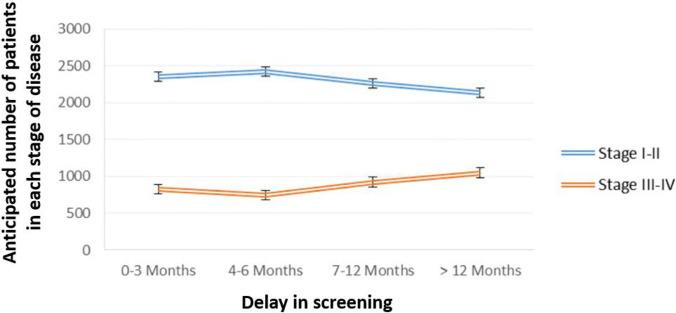
This perspective piece aims to understand the impacts of the COVID-19 pandemic on the field of oncology, exploring the factors provoking a fall in cancer diagnostic rates, interruption of cancer screening programmes, disruption of oncological treatment and adjuvant care, and the necessary adaption oncological practice has undergone (and will be required to undergo) post-pandemic, including the shift to digital consultations.
RECENT FINDINGS
During the COVID-19 pandemic, the field of oncological research has faced significant challenges. Yet, innovation has prevailed with new developments being made across the globe. Looking to the future of oncology, this piece will also suggest potential solutions to overcome the late-stage ramifications of the COVID-19 pandemic. The COVID-19 pandemic has triggered a global health crisis, the ramifications of which have reached every corner of the world and overwhelmed already overburdened healthcare systems. However, we are still yet to see the full domino effect of the pandemic as it continues to reveal and exacerbate pre-existing weaknesses in healthcare systems across the world.
目的综述
本文旨在探讨 COVID-19 大流行对肿瘤学领域的影响,分析导致癌症诊断率下降、癌症筛查项目中断、肿瘤治疗和辅助治疗中断的因素,以及肿瘤学实践在大流行后(并将在大流行后)所经历的必要调整,包括向数字化咨询的转变。
发现:在 COVID-19 大流行期间,肿瘤学研究领域面临着重大挑战。然而,创新仍然存在,全球范围内都有新的发展。展望肿瘤学的未来,本文还将提出潜在的解决方案,以克服 COVID-19 大流行的后期影响。COVID-19 大流行引发了一场全球卫生危机,其影响波及世界各个角落,使本已不堪重负的医疗体系不堪重负。然而,由于 COVID-19 继续揭示和加剧全球医疗体系中早已存在的弱点,我们仍未看到大流行的全部多米诺骨牌效应。

 Zotero 插件