
小儿肉瘤:新一代分子研究
Pediatric Sarcomas: The Next Generation of Molecular Studies.
作者信息
Giannikopoulos Petros, Parham David M
机构信息
Innovative Genomics Institute, University of California, Berkeley, CA 94704, USA.
Department of Anatomic Pathology, Children's Hospital Los Angeles, Los Angeles, CA 90027, USA.
出版信息
Cancers (Basel). 2022 May 20;14(10):2515. doi: 10.3390/cancers14102515.
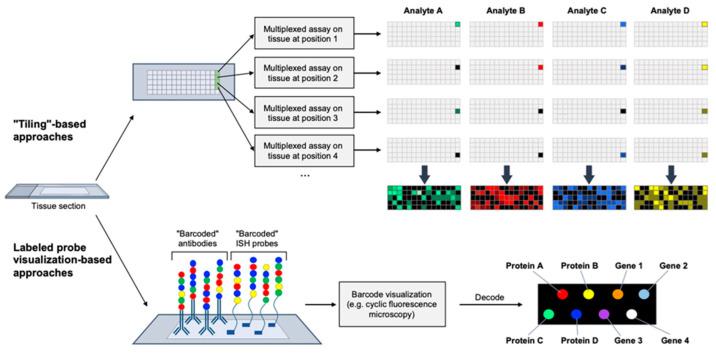
Pediatric sarcomas constitute one of the largest groups of childhood cancers, following hematopoietic, neural, and renal lesions. Partly because of their diversity, they continue to offer challenges in diagnosis and treatment. In spite of the diagnostic, nosologic, and therapeutic gains made with genetic technology, newer means for investigation are needed. This article reviews emerging technology being used to study human neoplasia and how these methods might be applicable to pediatric sarcomas. Methods reviewed include single cell RNA sequencing (scRNAseq), spatial multi-omics, high-throughput functional genomics, and clustered regularly interspersed short palindromic sequence-Cas9 (CRISPR-Cas9) technology. In spite of these advances, the field continues to be challenged by a dearth of properly annotated materials, particularly from recurrences and metastases and pre- and post-treatment samples.
小儿肉瘤是儿童癌症中最大的类别之一,仅次于造血系统、神经和肾脏病变。部分由于其多样性,它们在诊断和治疗方面仍然面临挑战。尽管基因技术在诊断、疾病分类学和治疗方面取得了进展,但仍需要更新的研究手段。本文综述了用于研究人类肿瘤形成的新兴技术,以及这些方法如何应用于小儿肉瘤。所综述的方法包括单细胞RNA测序(scRNAseq)、空间多组学、高通量功能基因组学和规律成簇间隔短回文重复序列-Cas9(CRISPR-Cas9)技术。尽管取得了这些进展,但该领域仍然受到缺乏适当注释材料的挑战,特别是来自复发和转移以及治疗前后样本的材料。


 Zotero 插件