
刺突蛋白插入缺失突变在 SARS-CoV、SARS-CoV-2 和蝙蝠冠状病毒 RaTG13 之间。
Insertion-and-Deletion Mutations between the Genomes of SARS-CoV, SARS-CoV-2, and Bat Coronavirus RaTG13.
机构信息
Division of General Medicine, Tohoku Universitygrid.69566.3a, Sendai, Japan.
Department of Education and Support for Regional Medicine, Tohoku Universitygrid.69566.3a, Sendai, Japan.
出版信息
Microbiol Spectr. 2022 Jun 29;10(3):e0071622. doi: 10.1128/spectrum.00716-22. Epub 2022 Jun 6.
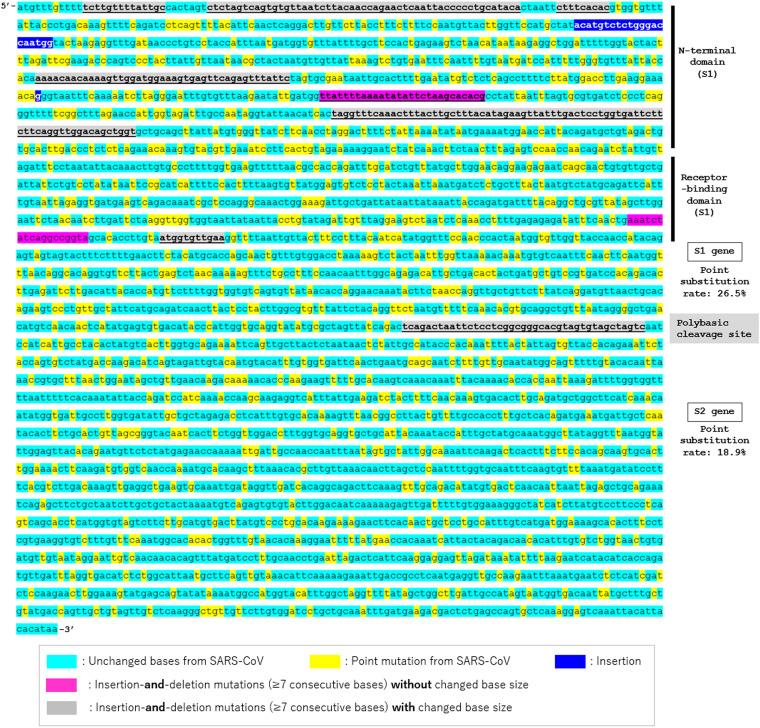
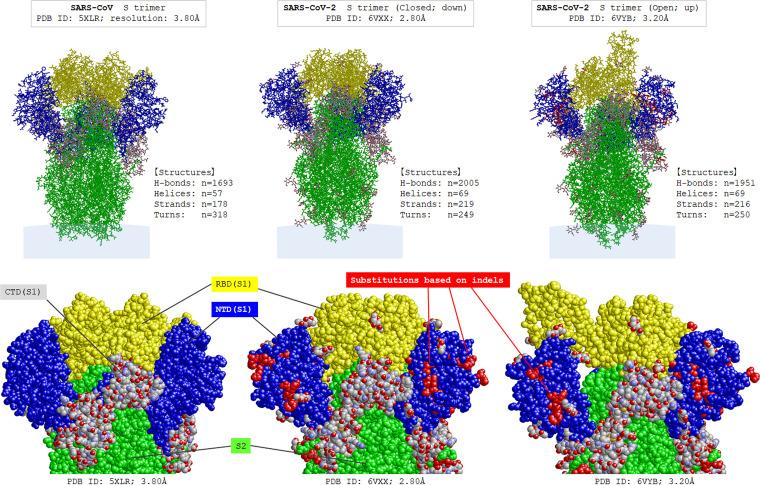
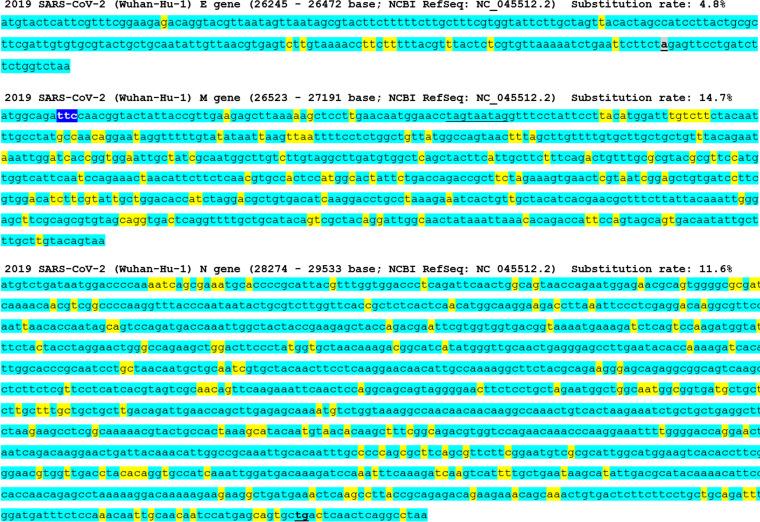
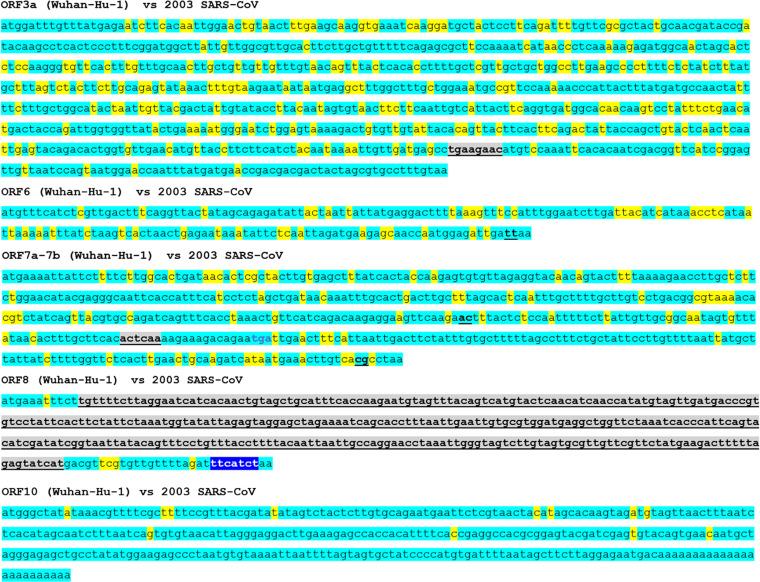
The evolutional process of severe acute respiratory syndrome coronavirus 2 (SARS-CoV-2) development remains inconclusive. This study compared the genome sequences of severe acute respiratory syndrome coronavirus (SARS-CoV), bat coronavirus RaTG13, and SARS-CoV-2. In total, the genomes of SARS-CoV-2 and RaTG13 were 77.9% and 77.7% identical to the genome of SARS-CoV, respectively. A total of 3.6% (1,068 bases) of the SARS-CoV-2 genome was derived from insertion and/or deletion (indel) mutations, and 18.6% (5,548 bases) was from point mutations from the genome of SARS-CoV. At least 35 indel sites were confirmed in the genome of SARS-CoV-2, in which 17 were with ≥10 consecutive bases long. Ten of these relatively long indels were located in the spike (S) gene, five in nonstructural protein 3 (Nsp3) gene of open reading frame (ORF) 1a, and one in ORF8 and noncoding region. Seventeen (48.6%) of the 35 indels were based on insertion-and-deletion mutations with exchanged gene sequences of 7-325 consecutive bases. Almost the complete ORF8 gene was replaced by a single 325 consecutive base-long indel. The distribution of these indels was roughly in accordance with the distribution of the rate of point mutation rate around the indels. The genome sequence of SARS-CoV-2 was 96.0% identical to that of RaTG13. There was no long insertion-and-deletion mutation between the genomes of RaTG13 and SARS-CoV-2. The findings of the uneven distribution of multiple indels and the presence of multiple long insertion-and-deletion mutations with exchanged consecutive base sequences in the viral genome may provide insights into SARS-CoV-2 development. The developmental mechanism of severe acute respiratory syndrome coronavirus 2 (SARS-CoV-2) remains inconclusive. This study compared the base sequence one-by-one between severe acute respiratory syndrome coronavirus (SARS-CoV) or bat coronavirus RaTG13 and SARS-CoV-2. The genomes of SARS-CoV-2 and RaTG13 were 77.9% and 77.7% identical to the genome of SARS-CoV, respectively. Seventeen of the 35 sites with insertion and/or deletion mutations between SARS-CoV-2 and SARS-CoV were based on insertion-and-deletion mutations with the replacement of 7-325 consecutive bases. Most of these long insertion-and-deletion sites were concentrated in the nonstructural protein 3 (Nsp3) gene of open reading frame (ORF) 1a, S1 domain of the spike protein, and ORF8 genes. Such long insertion-and-deletion mutations were not observed between the genomes of RaTG13 and SARS-CoV-2. The presence of multiple long insertion-and-deletion mutations in the genome of SARS-CoV-2 and their uneven distributions may provide further insights into the development of the virus.
严重急性呼吸综合征冠状病毒 2 (SARS-CoV-2) 的进化过程仍未确定。本研究比较了严重急性呼吸综合征冠状病毒 (SARS-CoV)、蝙蝠冠状病毒 RaTG13 和 SARS-CoV-2 的基因组序列。SARS-CoV-2 和 RaTG13 的基因组分别与 SARS-CoV 的基因组有 77.9%和 77.7%的同一性。SARS-CoV-2 基因组中共有 3.6%(1068 个碱基)来自插入和/或缺失(indel)突变,18.6%(5548 个碱基)来自 SARS-CoV 基因组的点突变。在 SARS-CoV-2 的基因组中至少确认了 35 个 indel 位点,其中 17 个位点具有≥10 个连续碱基长。这些相对较长的 indels 中有 10 个位于刺突 (S) 蛋白基因中,5 个位于开放阅读框 (ORF) 1a 的非结构蛋白 3 (Nsp3) 基因中,1 个位于 ORF8 和非编码区。35 个 indels 中有 17 个(48.6%)是基于插入和缺失突变,交换了 7-325 个连续碱基的基因序列。ORF8 基因几乎完全被单个 325 个连续碱基长的 indel 取代。这些 indels 的分布大致与 indels 周围的点突变率分布一致。SARS-CoV-2 的基因组与 RaTG13 的基因组有 96.0%的同一性。RaTG13 和 SARS-CoV-2 的基因组之间没有长插入和缺失突变。病毒基因组中多个 indel 的不均匀分布和多个长插入和缺失突变与交换连续碱基序列的存在,可能为 SARS-CoV-2 的发展提供了一些见解。严重急性呼吸综合征冠状病毒 2 (SARS-CoV-2) 的发育机制仍未确定。本研究对严重急性呼吸综合征冠状病毒 (SARS-CoV) 或蝙蝠冠状病毒 RaTG13 和 SARS-CoV-2 之间的碱基序列逐一进行了比较。SARS-CoV-2 和 RaTG13 的基因组分别与 SARS-CoV 的基因组有 77.9%和 77.7%的同一性。SARS-CoV-2 和 SARS-CoV 之间的 35 个插入和/或缺失突变位点中,有 17 个是基于插入和缺失突变,替换了 7-325 个连续碱基。这些长插入和缺失位点大多集中在开放阅读框 (ORF) 1a 的非结构蛋白 3 (Nsp3) 基因、刺突蛋白的 S1 结构域和 ORF8 基因中。在 RaTG13 和 SARS-CoV-2 的基因组之间没有观察到这种长插入和缺失突变。SARS-CoV-2 基因组中存在多个长插入和缺失突变及其不均匀分布,可能为病毒的发展提供了进一步的认识。




 Zotero 插件