
抗冻蛋白基因产物可抑制冰重结晶、减弱冰核形成并降低免疫反应。
Antifreeze Protein Gene Products Inhibit Ice Recrystallisation, Attenuate Ice Nucleation, and Reduce Immune Response.
作者信息
Juurakko Collin L, diCenzo George C, Walker Virginia K
机构信息
Department of Biology, Queen's University, Kingston, ON K7L 3N6, Canada.
Department of Biomedical and Molecular Sciences, School of Environmental Studies, Queen's University, Kingston, ON K7L 3N6, Canada.
出版信息
Plants (Basel). 2022 May 31;11(11):1475. doi: 10.3390/plants11111475.
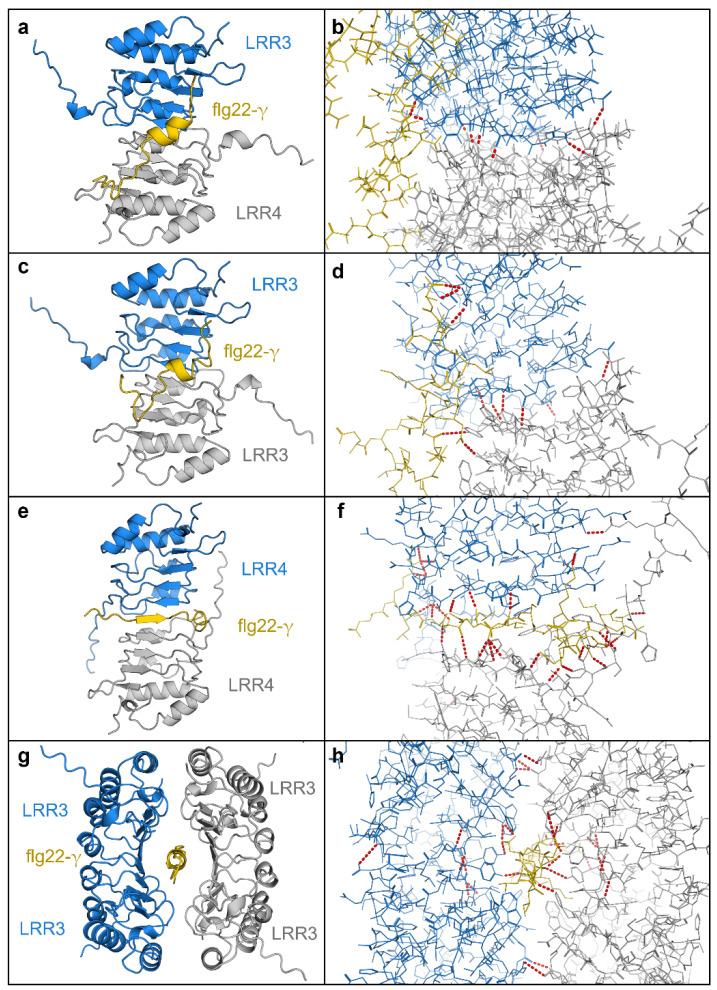
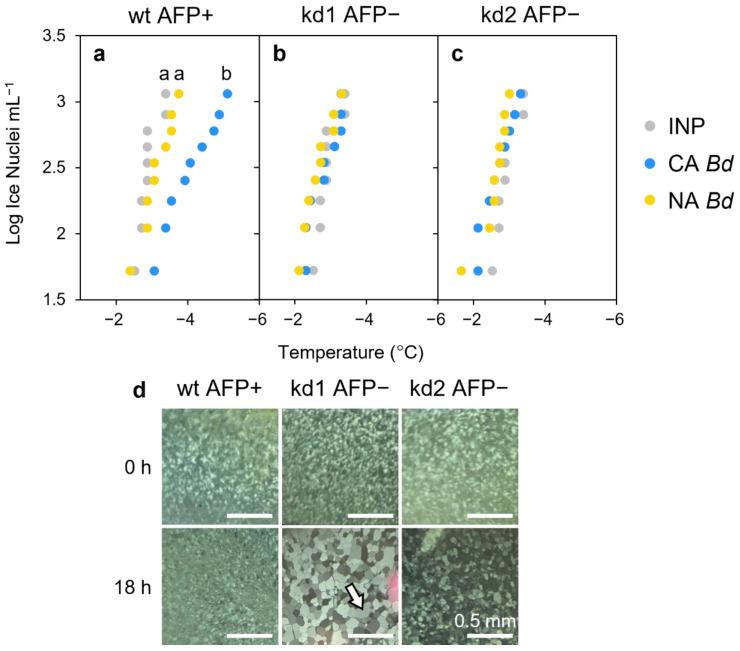
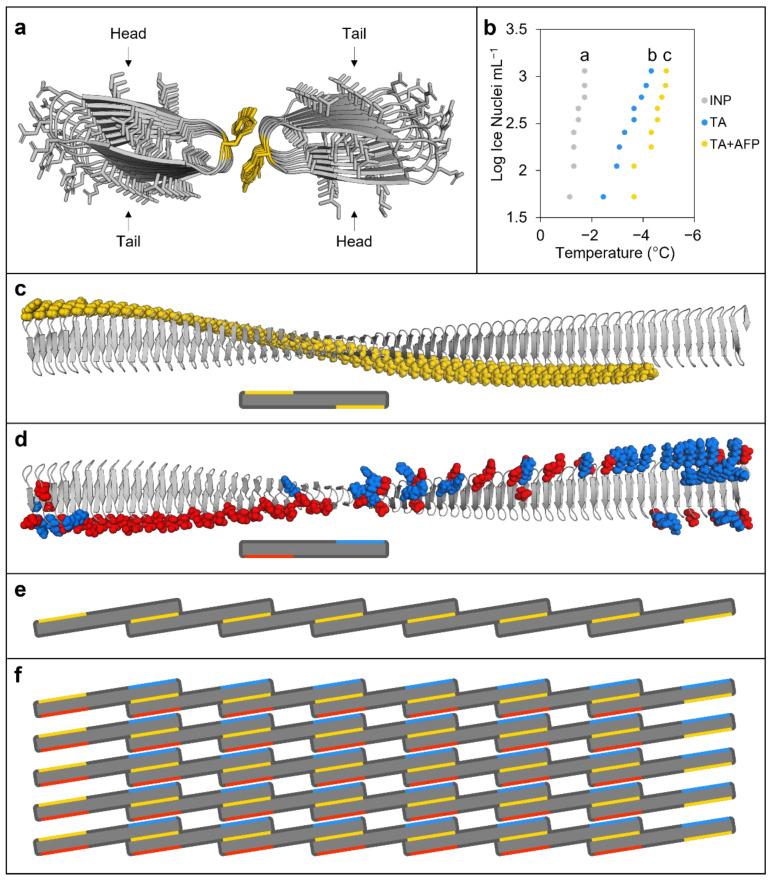
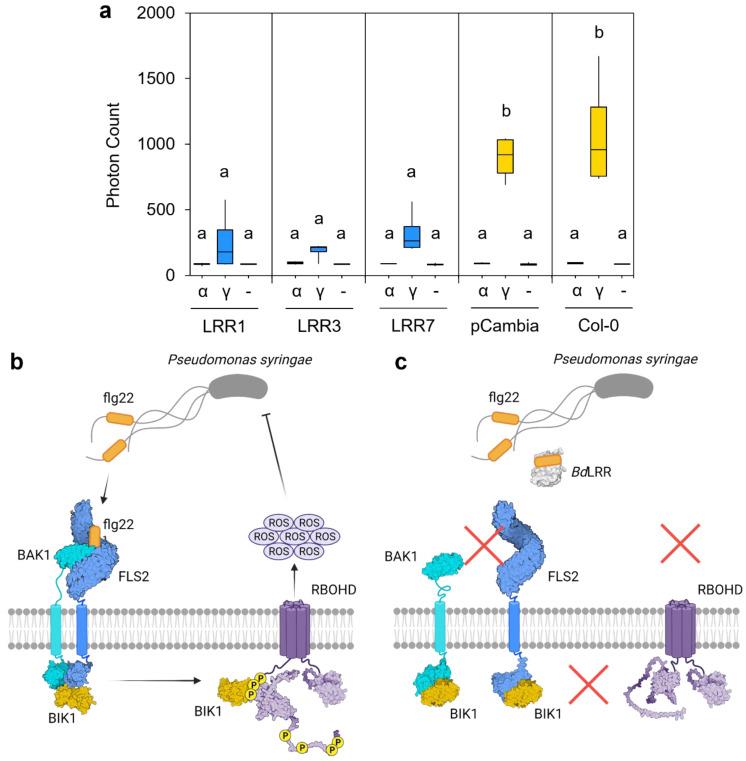
Antifreeze proteins (AFPs) from the model crop, , allow freeze survival and attenuate pathogen-mediated ice nucleation. Intriguingly, AFP genes encode two proteins, an autonomous AFP and a leucine-rich repeat (LRR). We present structural models which indicate that ice-binding motifs on the ~13 kDa AFPs can "spoil" nucleating arrays on the ~120 kDa bacterial ice nucleating proteins used to form ice at high sub-zero temperatures. These models are consistent with the experimentally demonstrated decreases in ice nucleating activity by lysates from wildtype compared to transgenic lines. Additionally, the expression of LRRs in transgenic inhibited an immune response to pathogen flagella peptides (flg22). Structural models suggested that this was due to the affinity of the LRR domains to flg22. Overall, it is remarkable that the genes play multiple distinctive roles in connecting freeze survival and anti-pathogenic systems via their encoded proteins' ability to adsorb to ice as well as to attenuate bacterial ice nucleation and the host immune response.
来自模式作物的抗冻蛋白(AFPs)能够使植物在冷冻条件下存活,并减弱病原体介导的冰核形成。有趣的是,AFP基因编码两种蛋白质,一种是自主抗冻蛋白,另一种是富含亮氨酸重复序列(LRR)的蛋白。我们提出的结构模型表明,约13 kDa的抗冻蛋白上的冰结合基序可以“破坏”用于在高亚零温度下形成冰的约120 kDa细菌冰核蛋白上的成核阵列。这些模型与实验证明的野生型裂解物与转基因品系相比冰核活性降低一致。此外,转基因中LRR的表达抑制了对病原体鞭毛肽(flg22)的免疫反应。结构模型表明,这是由于LRR结构域与flg22的亲和力所致。总体而言,这些基因通过其编码蛋白吸附到冰上以及减弱细菌冰核形成和宿主免疫反应的能力,在连接冷冻存活和抗病原体系统方面发挥多种独特作用,这一点非常引人注目。


 Zotero 插件