
丹皮酚干扰 中的群体感应并调节炎症反应 和 。
Paeonol Interferes With Quorum-Sensing in and Modulates Inflammatory Responses and .
机构信息
College of Veterinary Medicine, Sichuan Agricultural University, Chengdu, China.
出版信息
Front Immunol. 2022 May 24;13:896874. doi: 10.3389/fimmu.2022.896874. eCollection 2022.
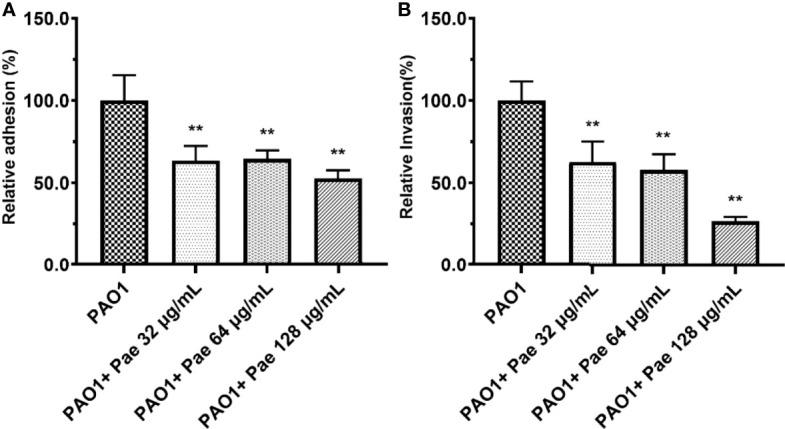
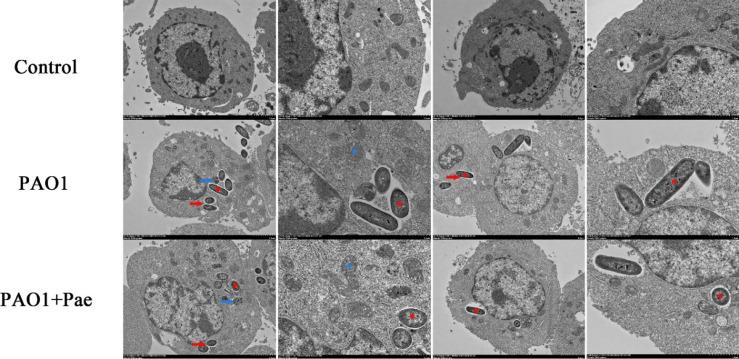
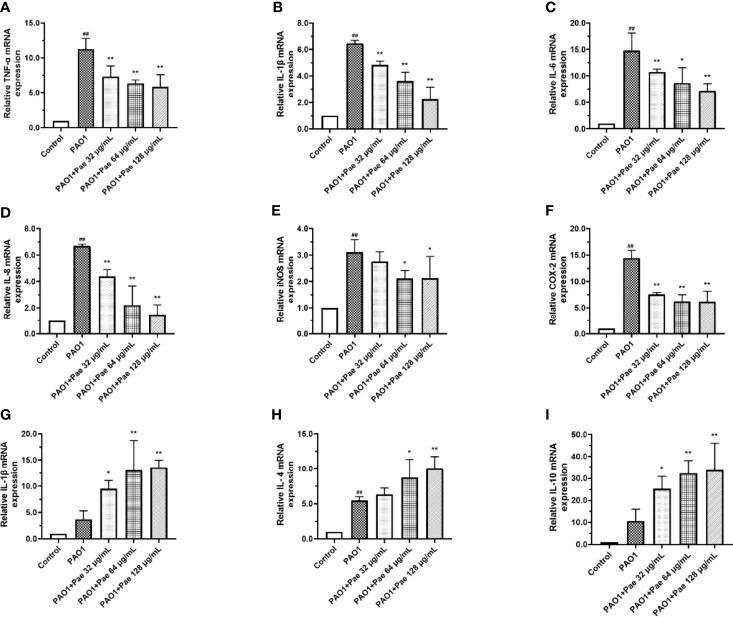
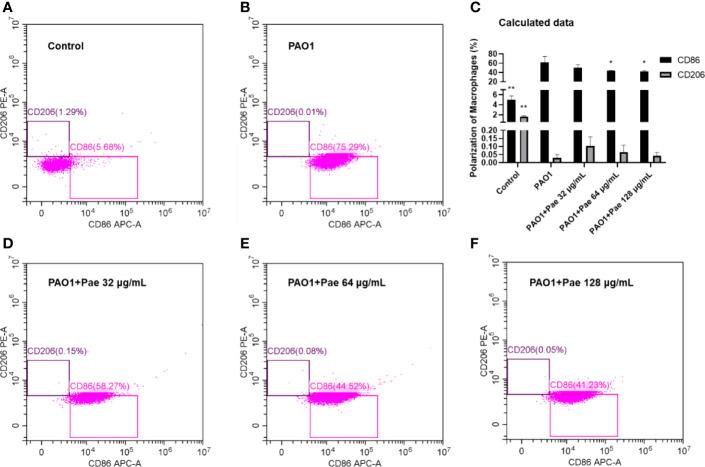
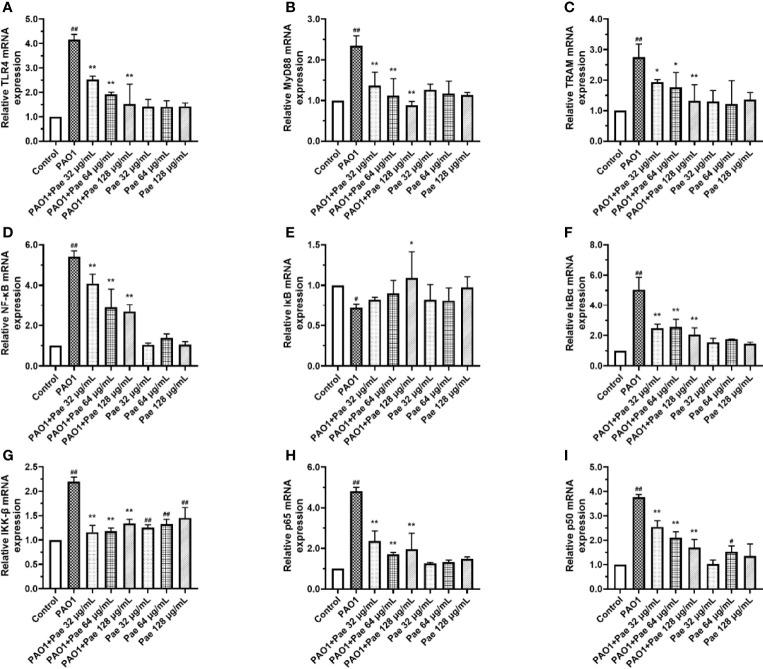
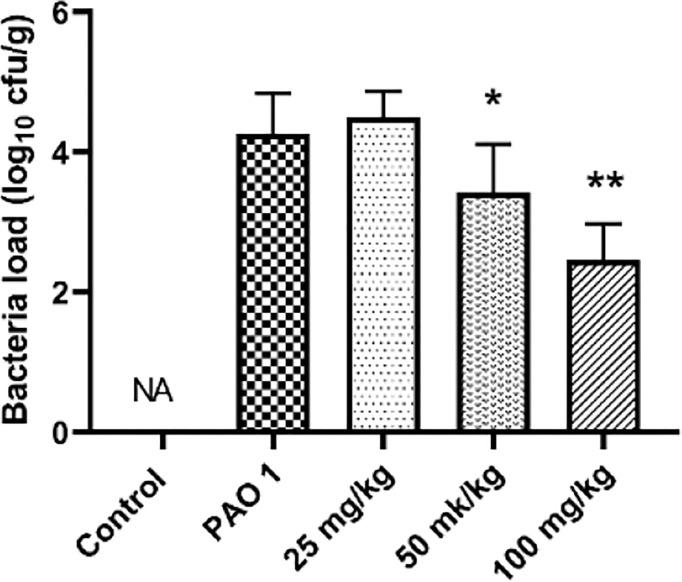
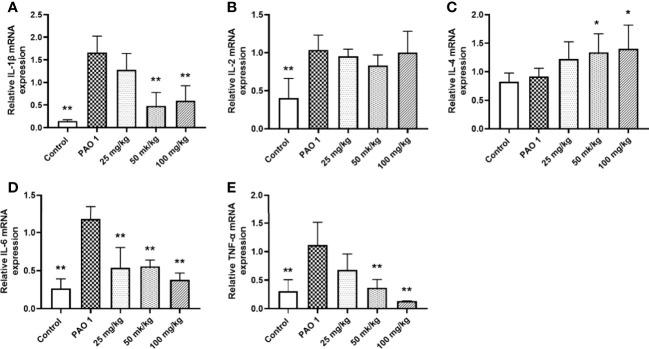
Developing quorum-sensing (QS) based anti-infection drugs is one of the most powerful strategies to combat multidrug-resistant bacteria. Paeonol has been proven to attenuate the QS-controlled virulence factors of by down-regulating the transcription of QS signal molecules. This research aimed to assess the anti-virulence activity and mechanism of paeonol against infection and . In this study, paeonol was found to reduce the adhesion and invasion of to macrophages and resist the cytotoxicity induced by . Paeonol reduced the expression of virulence factors of by inhibiting QS, thereby reducing the LDH release and damage of -infected macrophages. Paeonol can inhibit bacterial virulence and enhance the ability of macrophages to clear . In addition, paeonol exerts anti-inflammatory activity by reducing the expression of inflammatory cytokines and increasing the production of anti-inflammatory cytokines. Paeonol treatment significantly inhibited the activation of TLR4/MyD88/NF-κB signaling pathway and decreased the inflammation response of -infected macrophages. Paeonol also significantly reduced the ability of to infect mice and reduced the inflammatory response. These data suggest that paeonol can inhibit the virulence of and decrease the inflammation response in -infected macrophages and mice, which can decrease the damage induced by infection and enhance the ability of macrophages to clear bacteria. This study supports the further development of new potential anti-infective drugs based on inhibition of QS and virulence factors.
开发群体感应(QS)为基础的抗感染药物是对抗多药耐药细菌的最有力策略之一。丹皮酚已被证明通过下调 QS 信号分子的转录来减弱 所控制的毒力因子。本研究旨在评估丹皮酚对 感染 和 的抗毒力活性和机制。在这项研究中,丹皮酚被发现可以减少 对巨噬细胞的黏附和侵袭,并抵抗 诱导的细胞毒性。丹皮酚通过抑制 QS 减少 毒力因子的表达,从而减少 LDH 释放和 -感染的巨噬细胞损伤。丹皮酚可以抑制细菌的毒力,并增强巨噬细胞清除 的能力。此外,丹皮酚通过降低炎症细胞因子的表达和增加抗炎细胞因子的产生发挥抗炎活性。丹皮酚处理显著抑制 TLR4/MyD88/NF-κB 信号通路的激活,降低 -感染的巨噬细胞的炎症反应。丹皮酚还显著降低 感染小鼠的能力,并减少炎症反应。这些数据表明,丹皮酚可以抑制 的毒力,降低 -感染的巨噬细胞和小鼠中的炎症反应,从而减少 感染引起的损伤,并增强巨噬细胞清除细菌的能力。本研究支持进一步开发基于抑制 QS 和毒力因子的新型潜在抗感染药物。


 Zotero 插件