
基于不同时间/估计间隔的太阳辐照度预测人工智能模型的综合评估、回顾和比较。
Comprehensive assessment, review, and comparison of AI models for solar irradiance prediction based on different time/estimation intervals.
机构信息
Sichuan Industrial Internet Intelligent Monitoring and Application Engineering Technology Research Centre, Chengdu University of Technology, Chenghua District, Chengdu, Sichuan, People's Republic of China.
School of Software Engineering, University of Electronic Science and Technology of China, Chengdu, Sichuan, People's Republic of China.
出版信息
Sci Rep. 2022 Jun 10;12(1):9644. doi: 10.1038/s41598-022-13652-w.
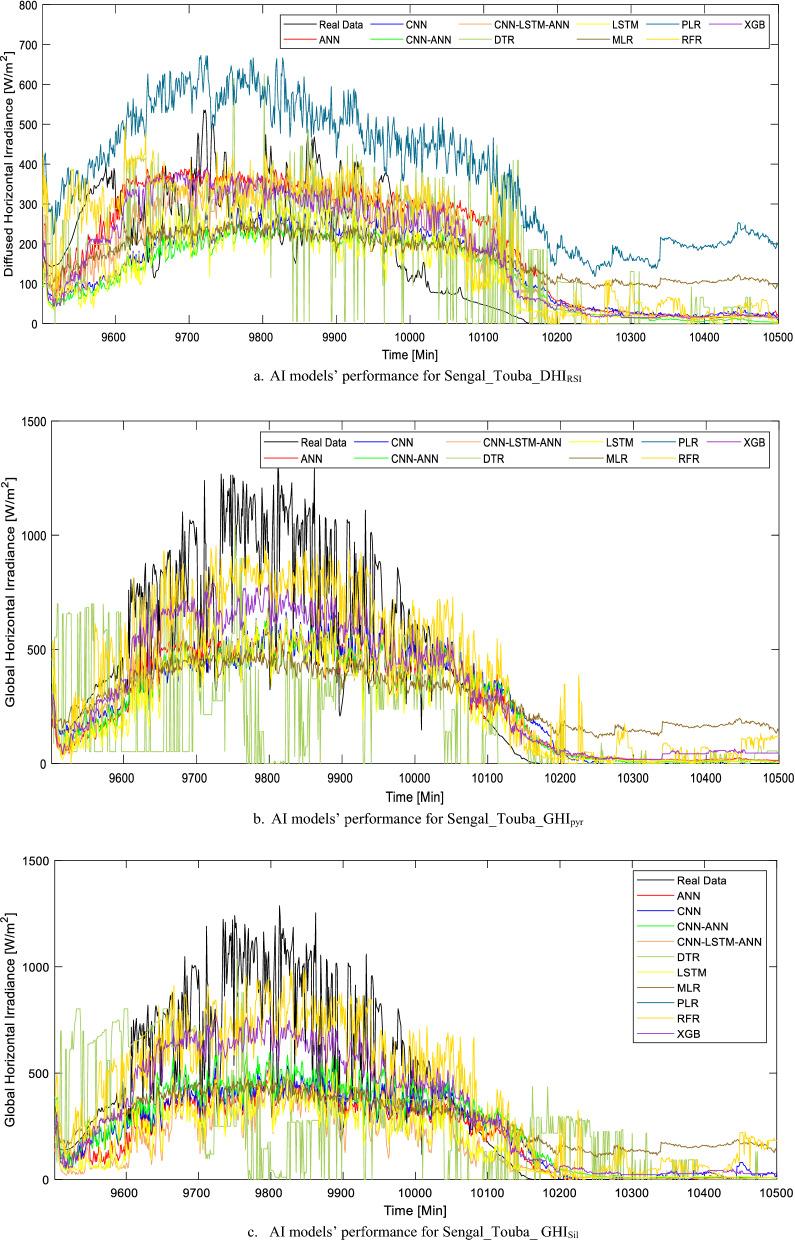
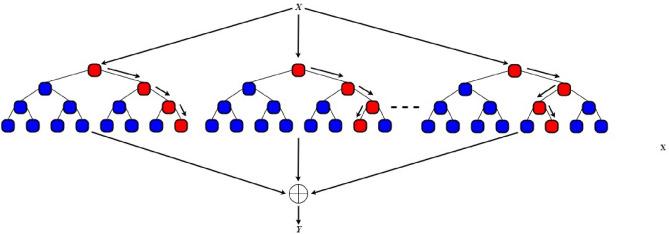
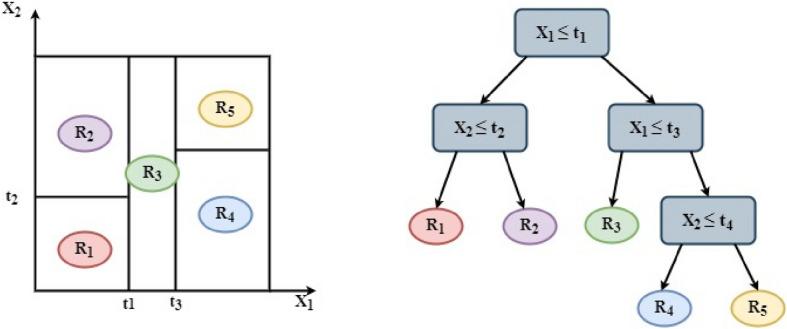
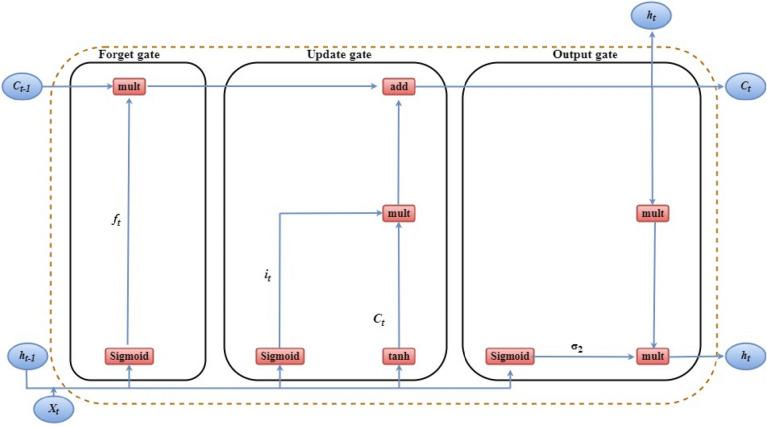
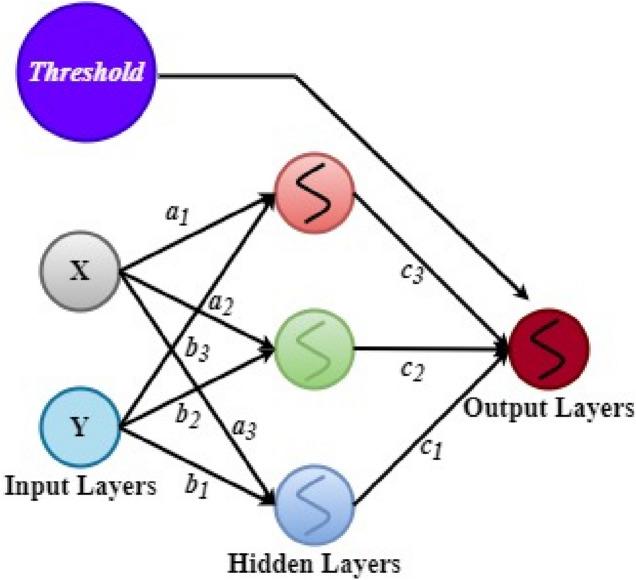
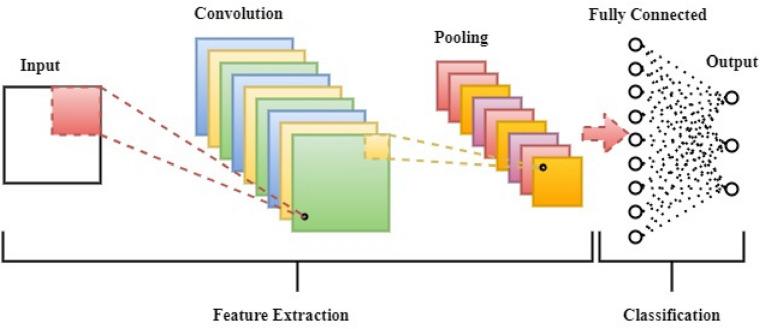
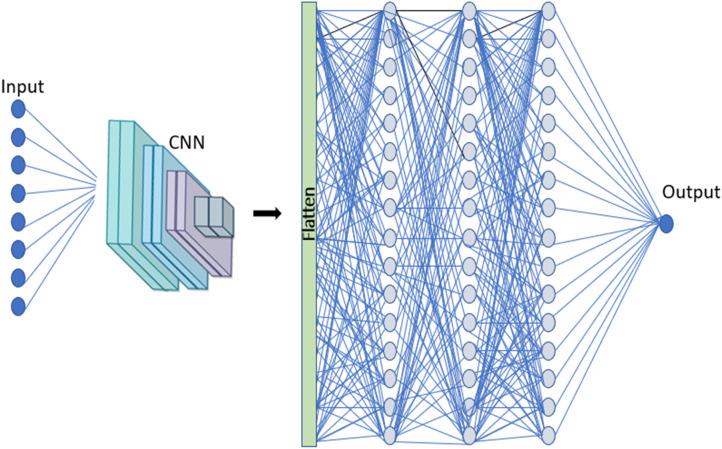
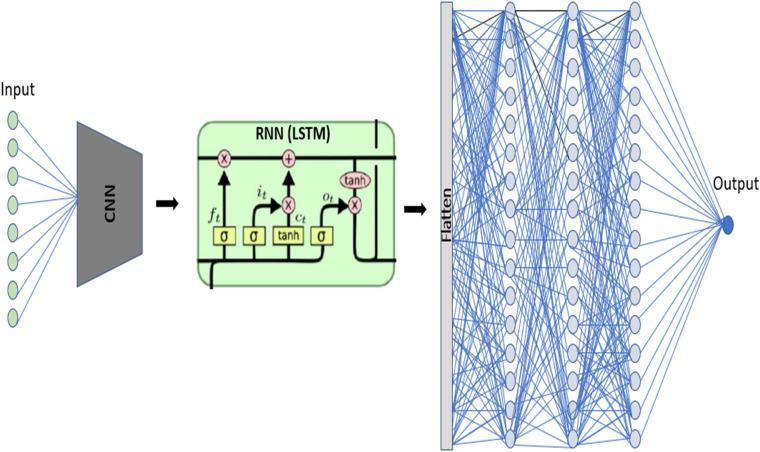
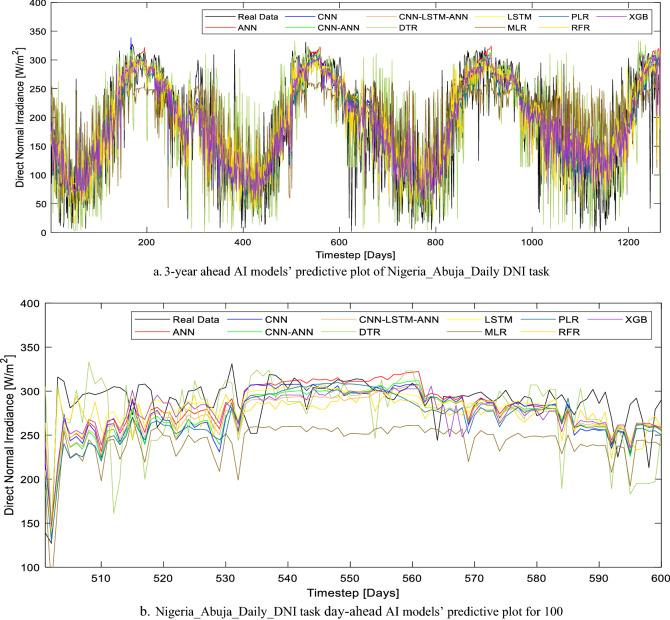
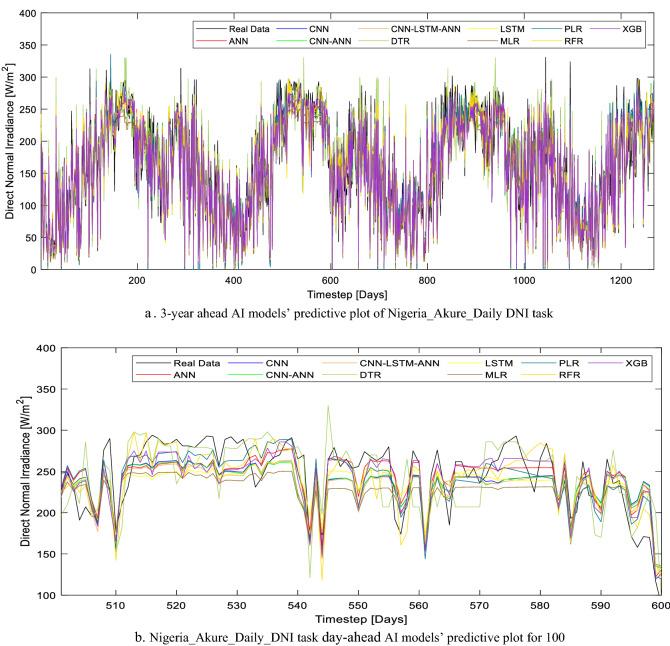
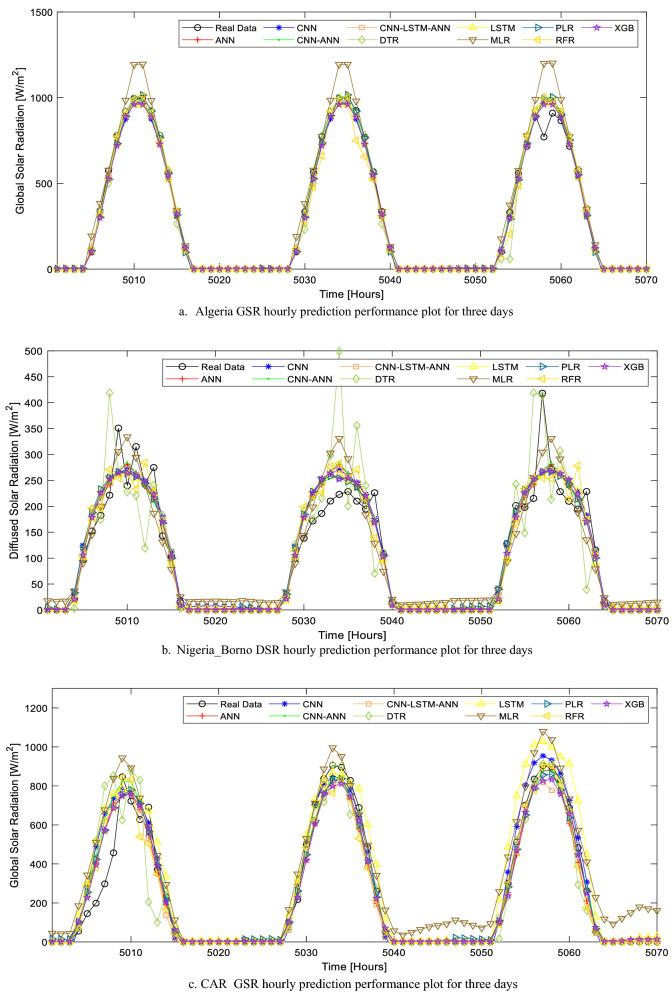
Solar energy-based technologies have developed rapidly in recent years, however, the inability to appropriately estimate solar energy resources is still a major drawback for these technologies. In this study, eight different artificial intelligence (AI) models namely; convolutional neural network (CNN), artificial neural network (ANN), long short-term memory recurrent model (LSTM), eXtreme gradient boost algorithm (XG Boost), multiple linear regression (MLR), polynomial regression (PLR), decision tree regression (DTR), and random forest regression (RFR) are designed and compared for solar irradiance prediction. Additionally, two hybrid deep neural network models (ANN-CNN and CNN-LSTM-ANN) are developed in this study for the same task. This study is novel as each of the AI models developed was used to estimate solar irradiance considering different timesteps (hourly, every minute, and daily average). Also, different solar irradiance datasets (from six countries in Africa) measured with various instruments were used to train/test the AI models. With the aim to check if there is a universal AI model for solar irradiance estimation in developing countries, the results of this study show that various AI models are suitable for different solar irradiance estimation tasks. However, XG boost has a consistently high performance for all the case studies and is the best model for 10 of the 13 case studies considered in this paper. The result of this study also shows that the prediction of hourly solar irradiance is more accurate for the models when compared to daily average and minutes timestep. The specific performance of each model for all the case studies is explicated in the paper.
近年来,基于太阳能的技术发展迅速,但无法准确估算太阳能资源仍然是这些技术的主要障碍。在本研究中,设计并比较了八种不同的人工智能(AI)模型,即卷积神经网络(CNN)、人工神经网络(ANN)、长短时记忆递归模型(LSTM)、极端梯度提升算法(XG Boost)、多元线性回归(MLR)、多项式回归(PLR)、决策树回归(DTR)和随机森林回归(RFR),用于太阳辐照度预测。此外,本研究还开发了两种混合深度神经网络模型(ANN-CNN 和 CNN-LSTM-ANN)用于相同任务。本研究具有创新性,因为所开发的每个 AI 模型都用于考虑不同时间步长(每小时、每分钟和日平均值)来估计太阳辐照度。此外,还使用来自非洲六个国家的不同太阳辐照度数据集(用各种仪器测量)来训练/测试 AI 模型。为了检查是否存在适用于发展中国家太阳辐照度估算的通用 AI 模型,本研究结果表明,各种 AI 模型适用于不同的太阳辐照度估算任务。然而,XG boost 在所有案例研究中始终具有较高的性能,并且是本文考虑的 13 个案例研究中的 10 个的最佳模型。本研究的结果还表明,与日平均值和分钟时间步长相比,模型对每小时太阳辐照度的预测更准确。本文详细说明了每种模型在所有案例研究中的具体性能。
 Zotero 插件