
严重急性呼吸综合征冠状病毒2:免疫逃逸的高手
SARS-CoV-2: A Master of Immune Evasion.
作者信息
Rubio-Casillas Alberto, Redwan Elrashdy M, Uversky Vladimir N
机构信息
Biology Laboratory, Autlán Regional Preparatory School, University of Guadalajara, Autlán 48900, Jalisco, Mexico.
Biological Science Department, Faculty of Science, King Abdulaziz University, P.O. Box 80203, Jeddah 21589, Saudi Arabia.
出版信息
Biomedicines. 2022 Jun 7;10(6):1339. doi: 10.3390/biomedicines10061339.
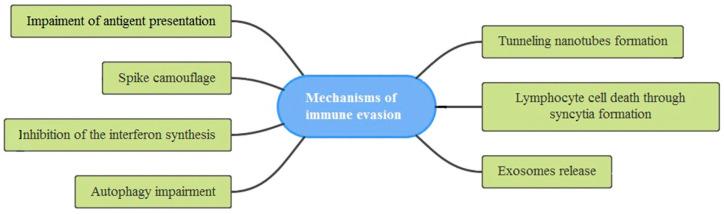
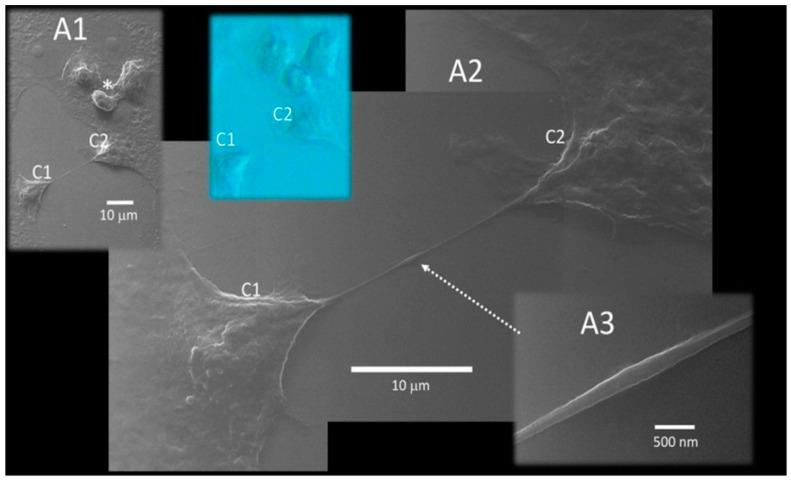
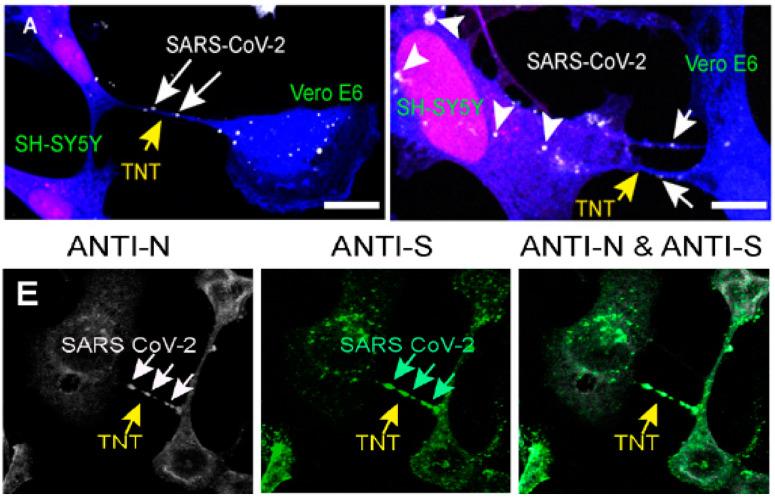
Viruses and their hosts have coevolved for a long time. This coevolution places both the pathogen and the human immune system under selective pressure; on the one hand, the immune system has evolved to combat viruses and virally infected cells, while viruses have developed sophisticated mechanisms to escape recognition and destruction by the immune system. SARS-CoV-2, the pathogen that is causing the current COVID-19 pandemic, has shown a remarkable ability to escape antibody neutralization, putting vaccine efficacy at risk. One of the virus's immune evasion strategies is mitochondrial sabotage: by causing reactive oxygen species (ROS) production, mitochondrial physiology is impaired, and the interferon antiviral response is suppressed. Seminal studies have identified an intra-cytoplasmatic pathway for viral infection, which occurs through the construction of tunneling nanotubes (TNTs), hence enhancing infection and avoiding immune surveillance. Another method of evading immune monitoring is the disruption of the antigen presentation. In this scenario, SARS-CoV-2 infection reduces MHC-I molecule expression: SARS-CoV-2's open reading frames (ORF 6 and ORF 8) produce viral proteins that specifically downregulate MHC-I molecules. All of these strategies are also exploited by other viruses to elude immune detection and should be studied in depth to improve the effectiveness of future antiviral treatments. Compared to the Wuhan strain or the Delta variant, Omicron has developed mutations that have impaired its ability to generate syncytia, thus reducing its pathogenicity. Conversely, other mutations have allowed it to escape antibody neutralization and preventing cellular immune recognition, making it the most contagious and evasive variant to date.
病毒与其宿主已经共同进化了很长时间。这种共同进化使病原体和人类免疫系统都处于选择压力之下;一方面,免疫系统已经进化到可以对抗病毒和病毒感染的细胞,而病毒则发展出了复杂的机制来逃避免疫系统的识别和破坏。导致当前新冠疫情的病原体严重急性呼吸综合征冠状病毒2(SARS-CoV-2)已表现出显著的逃避抗体中和的能力,使疫苗效力面临风险。该病毒的免疫逃避策略之一是线粒体破坏:通过产生活性氧(ROS),线粒体生理功能受损,干扰素抗病毒反应受到抑制。开创性研究已经确定了一条病毒感染的胞质内途径,该途径通过构建隧道纳米管(TNTs)发生,从而增强感染并避免免疫监视。另一种逃避免疫监测的方法是破坏抗原呈递。在这种情况下,SARS-CoV-2感染会降低主要组织相容性复合体I类(MHC-I)分子的表达:SARS-CoV-2的开放阅读框(ORF 6和ORF 8)产生的病毒蛋白会特异性下调MHC-I分子。所有这些策略也被其他病毒用来逃避免疫检测,应该深入研究以提高未来抗病毒治疗的有效性。与武汉毒株或德尔塔变种相比,奥密克戎发生了突变,削弱了其产生合胞体的能力,从而降低了其致病性。相反,其他突变使其能够逃避抗体中和并阻止细胞免疫识别,使其成为迄今为止传染性最强、逃避能力最强的变种。
 Zotero 插件