
SLC7A11/GPX4 失活介导的铁死亡导致雷公藤内酯醇诱导的心脏毒性。
SLC7A11/GPX4 Inactivation-Mediated Ferroptosis Contributes to the Pathogenesis of Triptolide-Induced Cardiotoxicity.
机构信息
Department of Pharmaceutical Sciences, Beijing Institute of Radiation Medicine, 100850 Beijing, China.
The Second Medical Center & National Clinical Research Center for Geriatric Diseases, Chinese PLA General Hospital, 100853 Beijing, China.
出版信息
Oxid Med Cell Longev. 2022 Jun 16;2022:3192607. doi: 10.1155/2022/3192607. eCollection 2022.
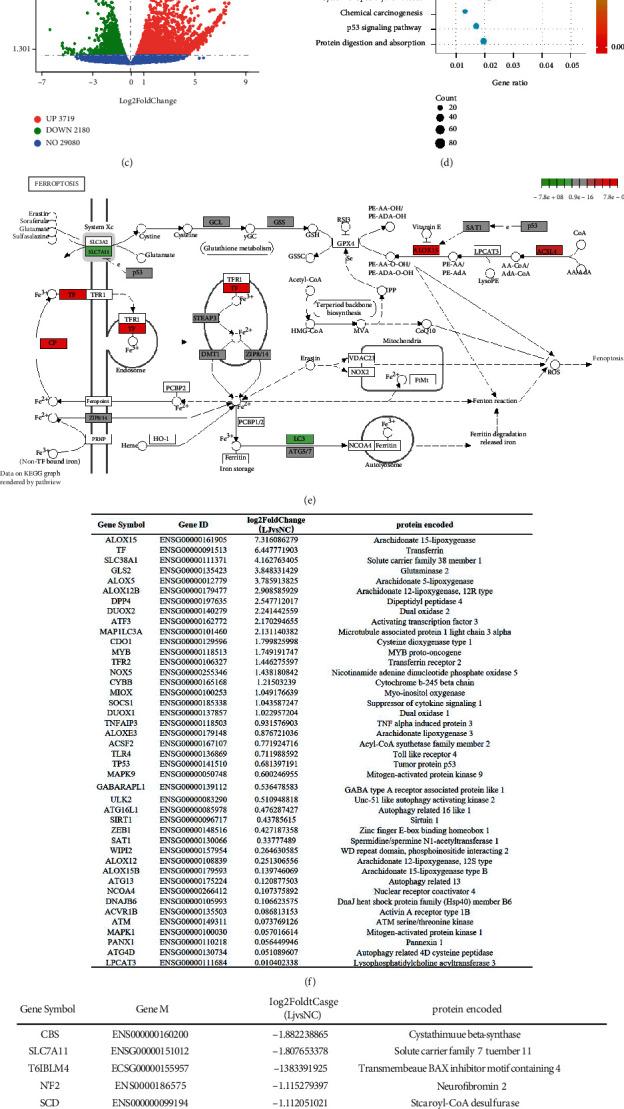
Triptolide exhibits promising efficacy in various cancers and immune diseases while its clinical application has been strongly restricted by its severe side effects, especially cardiotoxicity. However, the underlying mechanism of triptolide-induced cardiotoxicity (TIC) remains unclear. The RNA-seq analysis of triptolide-injured AC16 human cardiomyocyte cell line hinted that ferroptosis is involved in TIC. Further experimental validations proved that triptolide triggered ferroptosis, as evidenced by significant accumulation of lipid peroxidation (4-HNE and MDA levels) and ferrous iron, as well as depletion of intracellular GSH. Furthermore, triptolide-induced iron overload involved the upregulation of TF/TRFC/DMT1 signal axis and the degradation of ferritin, which contribute to ROS generation Fenton reaction. In addition, inhibition of the antioxidant Nrf2/HO-1 pathway was observed in TIC, which may also lead to the overproduction of lethal lipid peroxides. Mechanistically, using streptavidin-biotin affinity pull-down assay and computational molecular docking, we unveiled that triptolide directly binds to SLC7A11 to inactivate SLC7A11/GPX4 signal axis. More importantly, employment of a ferroptosis inhibitor Ferrostatin-1 alleviated TIC by partially reversing the inhibitory effects of triptolide on SLC7A11/GPX4 signal. Altogether, our study demonstrated that SLC7A11/GPX4 inactivation-mediated ferroptosis contributed to the pathogenesis of TIC. Combating ferroptosis may be a promising therapeutic avenue to prevent TIC.
雷公藤红素在各种癌症和免疫疾病中表现出良好的疗效,但由于其严重的副作用,尤其是心脏毒性,其临床应用受到了强烈限制。然而,雷公藤红素诱导的心脏毒性(TIC)的潜在机制尚不清楚。雷公藤红素损伤的 AC16 人心肌细胞系的 RNA-seq 分析表明,铁死亡参与了 TIC。进一步的实验验证证明,雷公藤红素触发了铁死亡,这表现在脂质过氧化(4-HNE 和 MDA 水平)和亚铁的显著积累,以及细胞内 GSH 的耗竭。此外,雷公藤红素诱导的铁过载涉及 TF/TRFC/DMT1 信号轴的上调和铁蛋白的降解,这有助于 ROS 生成 Fenton 反应。此外,在 TIC 中观察到抗氧化剂 Nrf2/HO-1 通路的抑制,这也可能导致致命脂质过氧化物的过度产生。在机制上,通过链霉亲和素-生物素亲和拉下测定和计算分子对接,我们揭示了雷公藤红素直接与 SLC7A11 结合,使 SLC7A11/GPX4 信号轴失活。更重要的是,使用铁死亡抑制剂 Ferrostatin-1 部分逆转了雷公藤红素对 SLC7A11/GPX4 信号的抑制作用,从而减轻了 TIC。总之,我们的研究表明,SLC7A11/GPX4 失活介导的铁死亡导致了 TIC 的发病机制。对抗铁死亡可能是预防 TIC 的一种有前途的治疗途径。



 Zotero 插件