
青少年、屏幕与隔离;新冠疫情之前及期间青少年媒体使用与心理健康之间的关系。
Teens, screens and quarantine; the relationship between adolescent media use and mental health prior to and during COVID-19.
作者信息
Shawcroft Jane, Gale Megan, Coyne Sarah M, Twenge Jean M, Carroll Jason S, Brad Wilcox W, James Spencer
机构信息
School of Family Life, Brigham Young University, United States.
Department of Psychology, San Diego State University, United States.
出版信息
Heliyon. 2022 Jul;8(7):e09898. doi: 10.1016/j.heliyon.2022.e09898. Epub 2022 Jul 5.
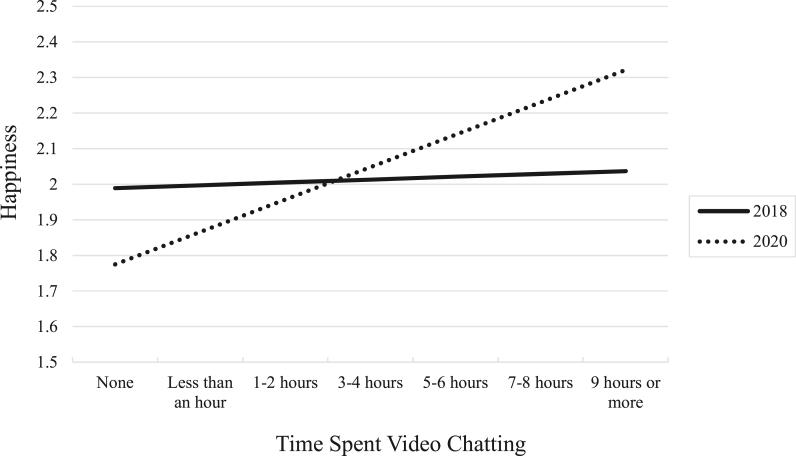
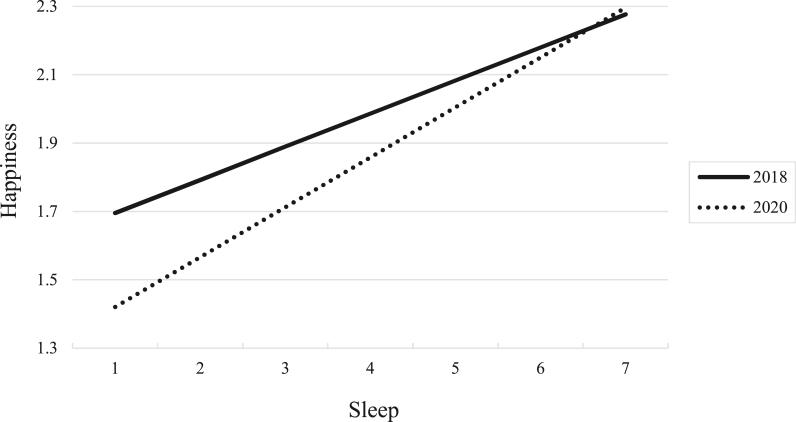
This study examines associations between media use and mental health for adolescents prior to and during the COVID-19 pandemic. Using two separate datasets that sampled adolescents (8th, 10th, and 12th graders) in 2018 (n = 31,825) and 2020 (n = 1,523), mental health (hopelessness and happiness), media use (time spent using a variety of media), and personal health habits (sleep) were assessed. Overall, we found that there were significant differences by year in adolescent hopelessness, with adolescents reporting less hopelessness in 2020 (during COVID-19) than in 2018 (pre COVID-19). There were not practical significant differences in adolescent happiness and loneliness. Adolescents also reported getting more sleep in our 2020 sample than the 2018 sample. Adolescents in 2020 spent significantly more time watching movies and video chatting, but less time texting and on social media than adolescents in 2018. Finally, we found that time spent video chatting and sleep had a different relationship with various aspects of mental health (happiness, hopelessness, or loneliness) in 2018 vs. 2020.
本研究考察了新冠疫情之前及期间青少年的媒体使用与心理健康之间的关联。利用两个独立数据集,对2018年(n = 31,825)和2020年(n = 1,523)的青少年(八年级、十年级和十二年级学生)进行抽样,评估了心理健康(绝望感和幸福感)、媒体使用(使用各种媒体的时长)和个人健康习惯(睡眠)。总体而言,我们发现青少年的绝望感在不同年份存在显著差异,2020年(新冠疫情期间)的青少年报告的绝望感低于2018年(新冠疫情之前)。青少年的幸福感和孤独感没有实际显著差异。2020年样本中的青少年报告的睡眠时间也比2018年样本中的更多。2020年的青少年观看电影和视频聊天的时间明显多于2018年的青少年,但发短信和使用社交媒体的时间则更少。最后,我们发现2018年与2020年相比,视频聊天时长和睡眠时间与心理健康的各个方面(幸福感、绝望感或孤独感)之间的关系有所不同。


 Zotero 插件