
慢性髓性白血病的耐药机制及其对治疗策略的影响
Mechanisms of Resistance and Implications for Treatment Strategies in Chronic Myeloid Leukaemia.
作者信息
Poudel Govinda, Tolland Molly G, Hughes Timothy P, Pagani Ilaria S
机构信息
Cancer Program, Precision Medicine Theme, South Australian Health and Medical Research Institute (SAHMRI), Adelaide, SA 5000, Australia.
School of Medicine, Faculty of Health and Medical Sciences, University of Adelaide, Adelaide, SA 5000, Australia.
出版信息
Cancers (Basel). 2022 Jul 6;14(14):3300. doi: 10.3390/cancers14143300.
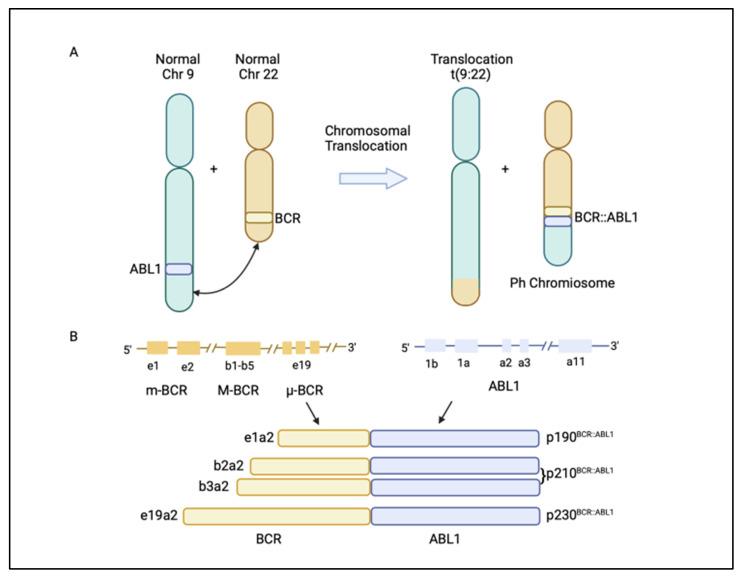
Tyrosine kinase inhibitors (TKIs) have revolutionised the management of chronic myeloid leukaemia (CML), with the disease now having a five-year survival rate over 80%. The primary focus in the treatment of CML has been on improving the specificity and potency of TKIs to inhibit the activation of the BCR::ABL1 kinase and/or overcoming resistance driven by mutations in the BCR::ABL1 oncogene. However, this approach may be limited in a significant proportion of patients who develop TKI resistance despite the effective inhibition of BCR::ABL1. These patients may require novel therapeutic strategies that target both BCR::ABL1-dependent and BCR::ABL1-independent mechanisms of resistance. The combination treatment strategies that target alternative survival signalling, which may contribute towards BCR::ABL1-independent resistance, could be a successful strategy for eradicating residual leukaemic cells and consequently increasing the response rate in CML patients.
酪氨酸激酶抑制剂(TKIs)彻底改变了慢性髓性白血病(CML)的治疗方式,目前该疾病的五年生存率超过80%。CML治疗的主要重点一直是提高TKIs抑制BCR::ABL1激酶激活的特异性和效力,以及/或者克服由BCR::ABL1癌基因突变驱动的耐药性。然而,尽管BCR::ABL1得到了有效抑制,但很大一部分出现TKI耐药的患者采用这种方法可能会受到限制。这些患者可能需要针对BCR::ABL1依赖性和非依赖性耐药机制的新型治疗策略。针对可能导致BCR::ABL1非依赖性耐药的替代生存信号传导的联合治疗策略,可能是根除残留白血病细胞从而提高CML患者缓解率的成功策略。


 Zotero 插件