
Nrf2靶向与干细胞疗法联合应用在脑血管疾病中的作用
The Role of Concomitant Nrf2 Targeting and Stem Cell Therapy in Cerebrovascular Disease.
作者信息
Gordon Jonah, Lockard Gavin, Monsour Molly, Alayli Adam, Borlongan Cesario V
机构信息
Center of Excellence for Aging and Brain Repair, Department of Neurosurgery and Brain Repair, University of South Florida Morsani College of Medicine, Tampa, FL 33602, USA.
出版信息
Antioxidants (Basel). 2022 Jul 26;11(8):1447. doi: 10.3390/antiox11081447.
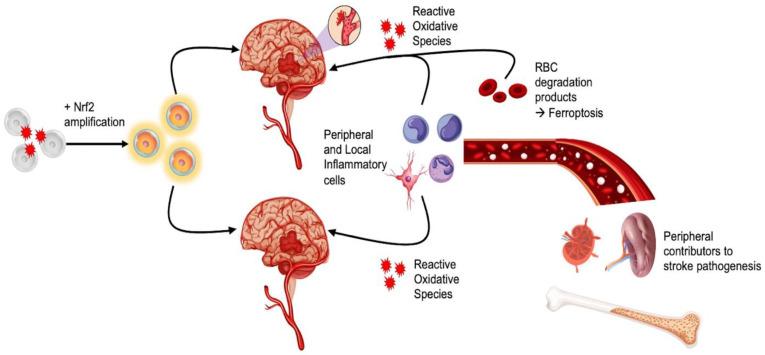
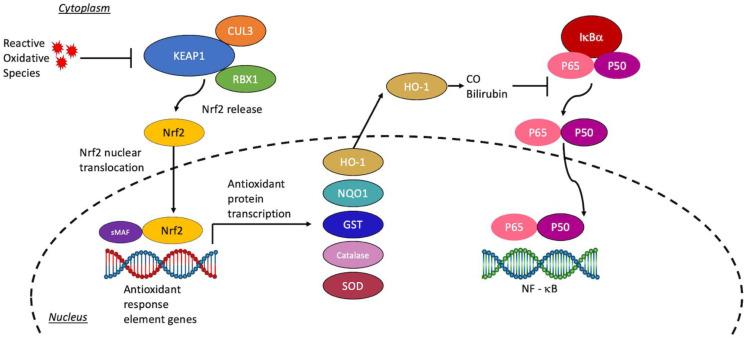
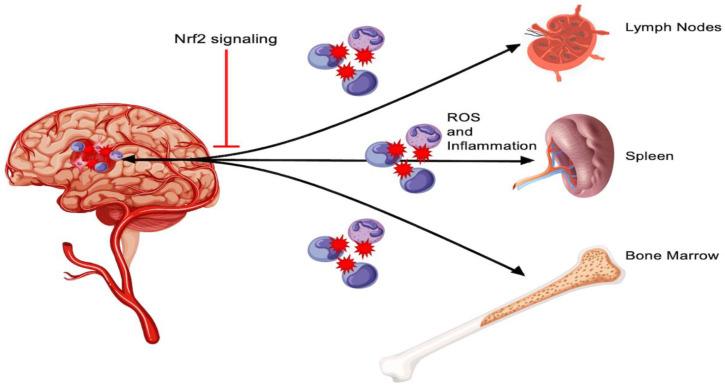
Despite the reality that a death from cerebrovascular accident occurs every 3.5 min in the United States, there are few therapeutic options which are typically limited to a narrow window of opportunity in time for damage mitigation and recovery. Novel therapies have targeted pathological processes secondary to the initial insult, such as oxidative damage and peripheral inflammation. One of the greatest challenges to therapy is the frequently permanent damage within the CNS, attributed to a lack of sufficient neurogenesis. Thus, recent use of cell-based therapies for stroke have shown promising results. Unfortunately, stroke-induced inflammatory and oxidative damage limit the therapeutic potential of these stem cells. Nuclear factor erythroid 2-related factor 2 (Nrf2) has been implicated in endogenous antioxidant and anti-inflammatory activity, thus presenting an attractive target for novel therapeutics to enhance stem cell therapy and promote neurogenesis. This review assesses the current literature on the concomitant use of stem cell therapy and Nrf2 targeting via pharmaceutical and natural agents, highlighting the need to elucidate both upstream and downstream pathways in optimizing Nrf2 treatments in the setting of cerebrovascular disease.
尽管在美国每3.5分钟就有1人死于脑血管意外,但治疗选择却很少,通常局限于一个狭窄的时间窗口,以便减轻损伤和促进恢复。新型疗法针对的是初始损伤后的病理过程,如氧化损伤和外周炎症。治疗面临的最大挑战之一是中枢神经系统内经常出现永久性损伤,这归因于神经发生不足。因此,最近基于细胞的中风治疗已显示出有希望的结果。不幸的是,中风引起的炎症和氧化损伤限制了这些干细胞的治疗潜力。核因子红细胞2相关因子2(Nrf2)与内源性抗氧化和抗炎活性有关,因此成为新型疗法增强干细胞治疗和促进神经发生的一个有吸引力的靶点。本综述评估了目前关于通过药物和天然制剂同时使用干细胞治疗和靶向Nrf2的文献,强调了在优化脑血管疾病中Nrf2治疗时阐明上游和下游途径的必要性。
 Zotero 插件