
长新冠/COVID-19 后急性后遗症(PASC)患者的症状、合并症、纤维蛋白淀粉样微栓和血小板病理的流行情况。
Prevalence of symptoms, comorbidities, fibrin amyloid microclots and platelet pathology in individuals with Long COVID/Post-Acute Sequelae of COVID-19 (PASC).
机构信息
Department of Physiological Sciences, Faculty of Science, Stellenbosch University, Private Bag X1, Matieland, Stellenbosch, 7602, South Africa.
Department of Biochemistry and Systems Biology, Faculty of Health and Life Sciences, Institute of Systems, Molecular and Integrative Biology, University of Liverpool, Liverpool, L69 7ZB, UK.
出版信息
Cardiovasc Diabetol. 2022 Aug 6;21(1):148. doi: 10.1186/s12933-022-01579-5.
BACKGROUND
Fibrin(ogen) amyloid microclots and platelet hyperactivation previously reported as a novel finding in South African patients with the coronavirus 2019 disease (COVID-19) and Long COVID/Post-Acute Sequelae of COVID-19 (PASC), might form a suitable set of foci for the clinical treatment of the symptoms of Long COVID/PASC. A Long COVID/PASC Registry was subsequently established as an online platform where patients can report Long COVID/PASC symptoms and previous comorbidities.
METHODS
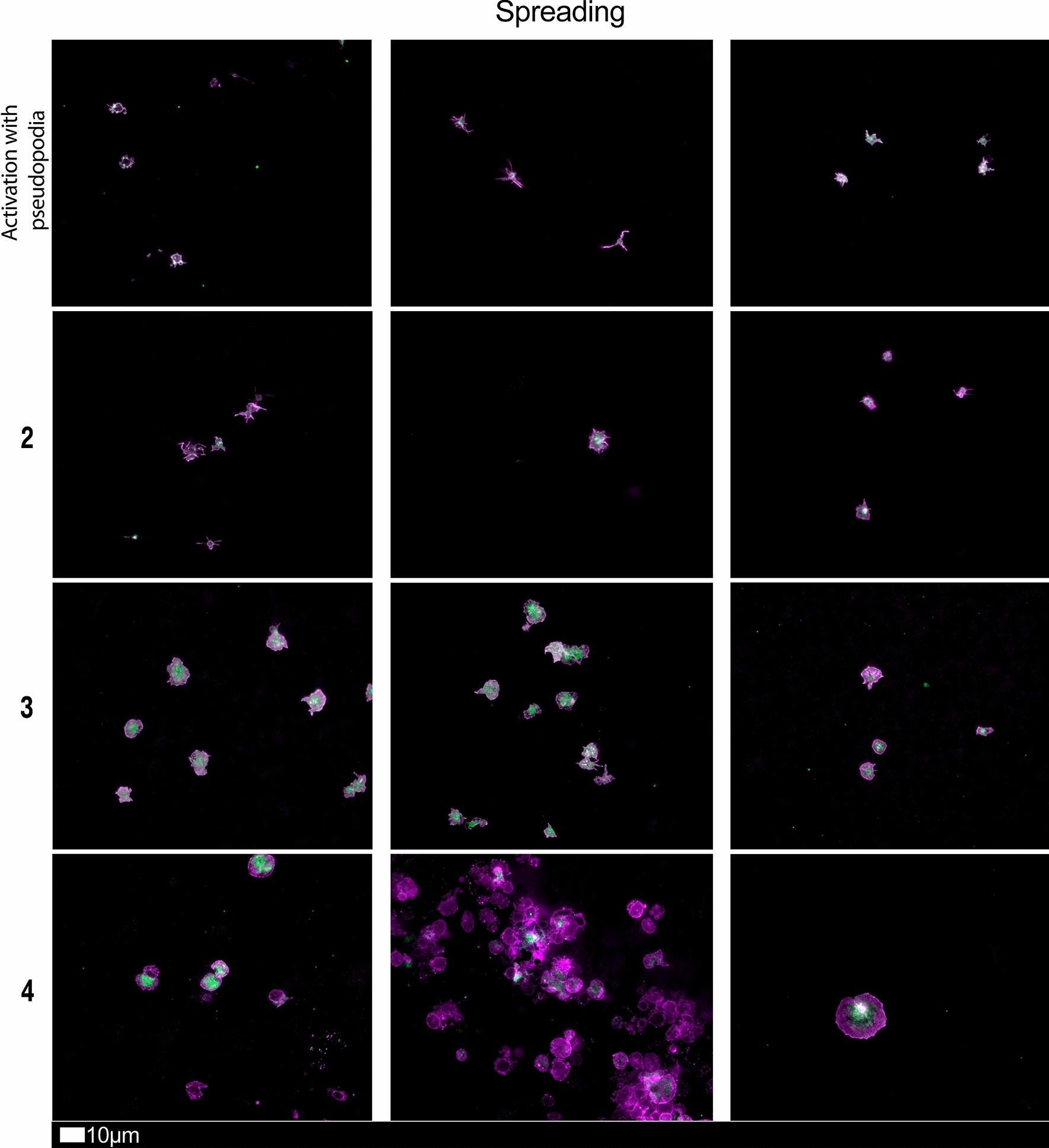
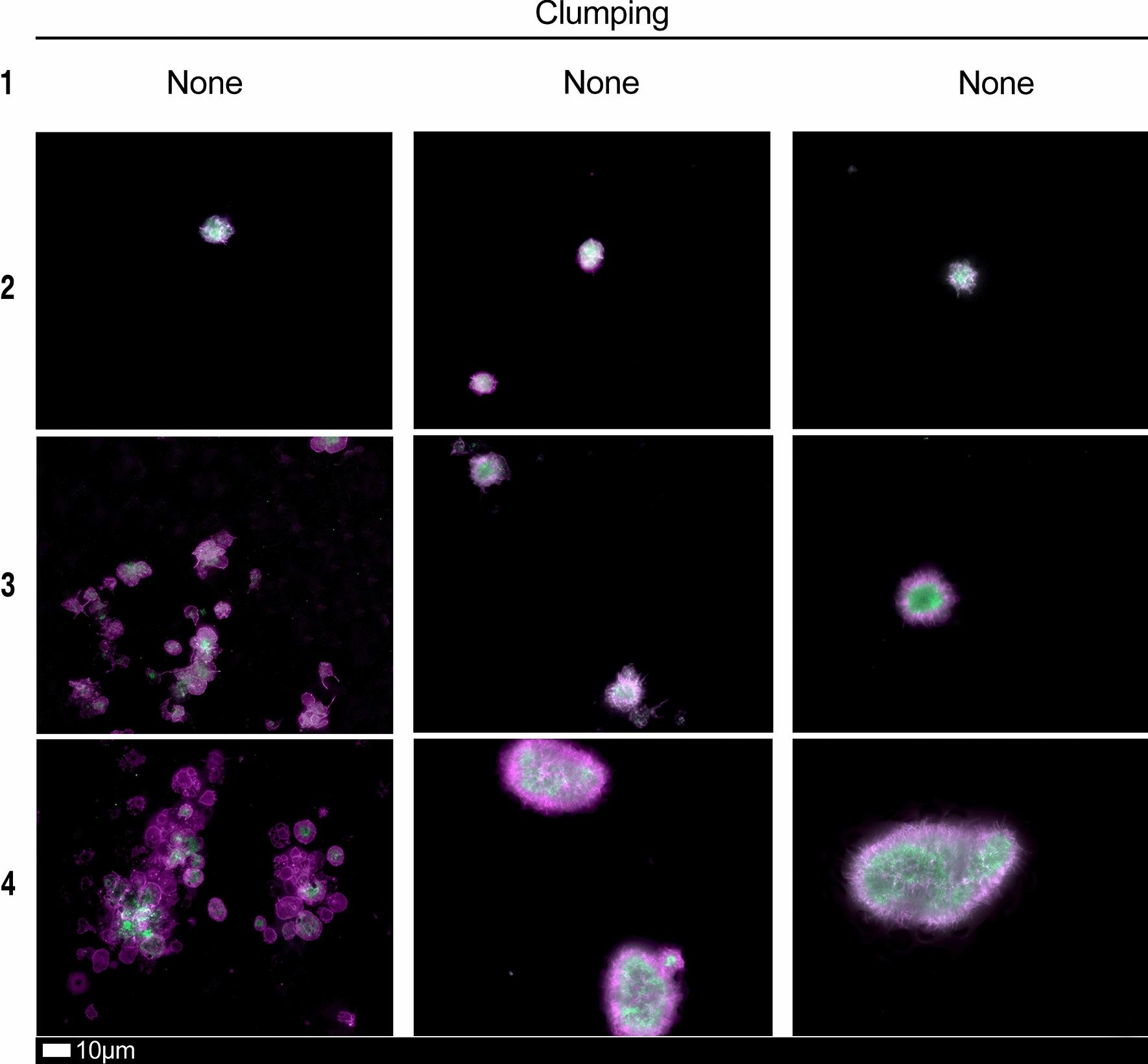
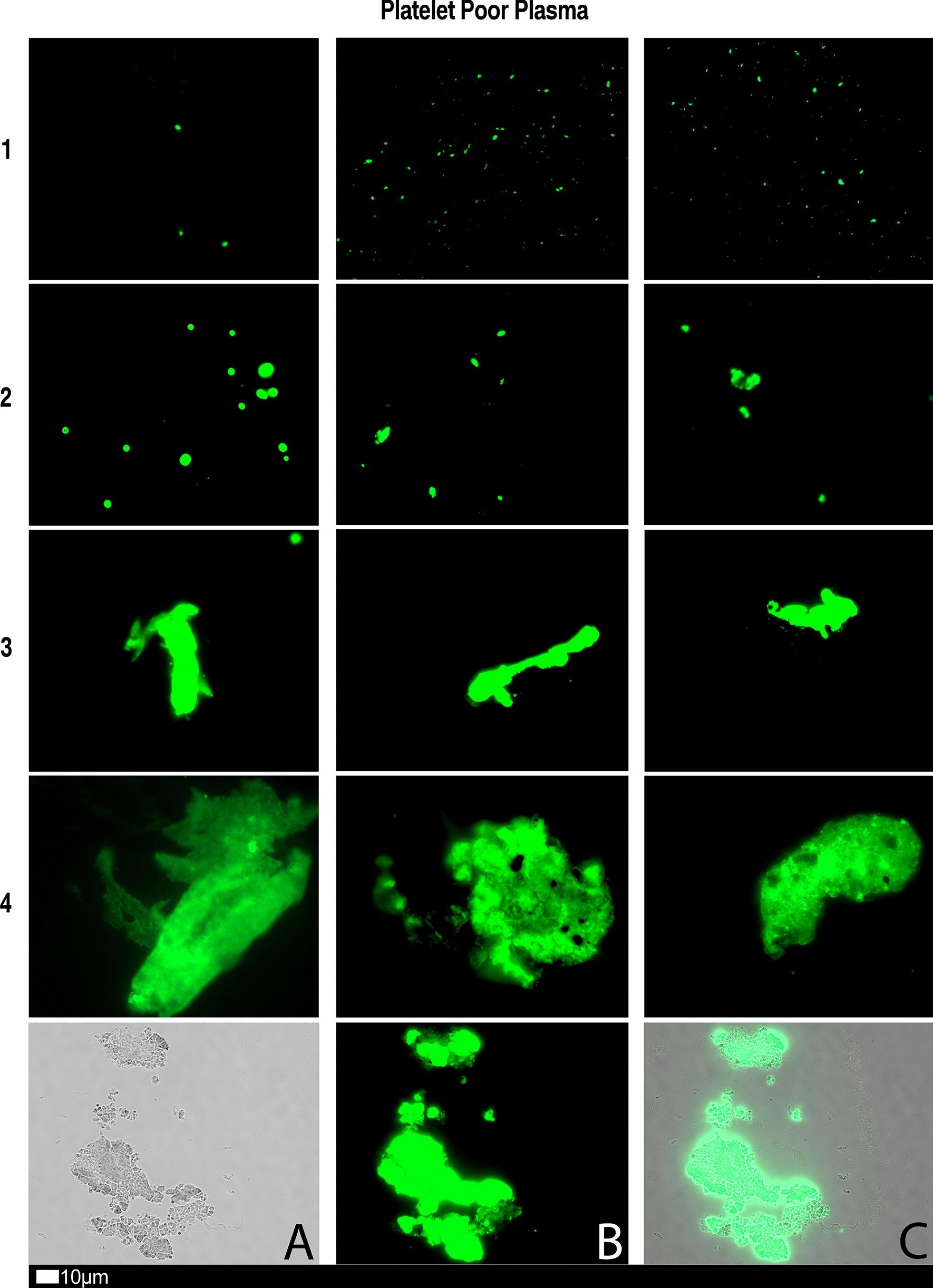
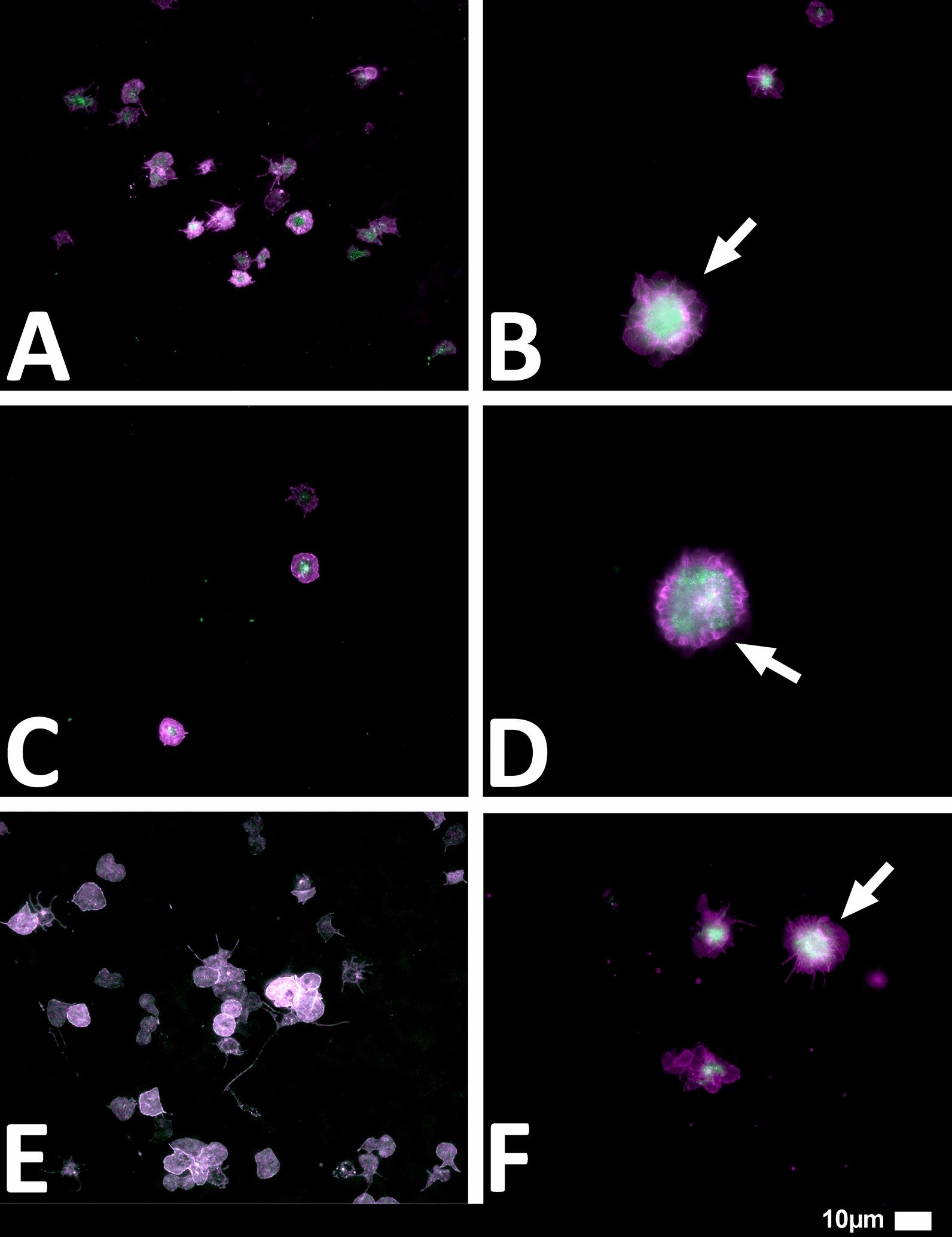
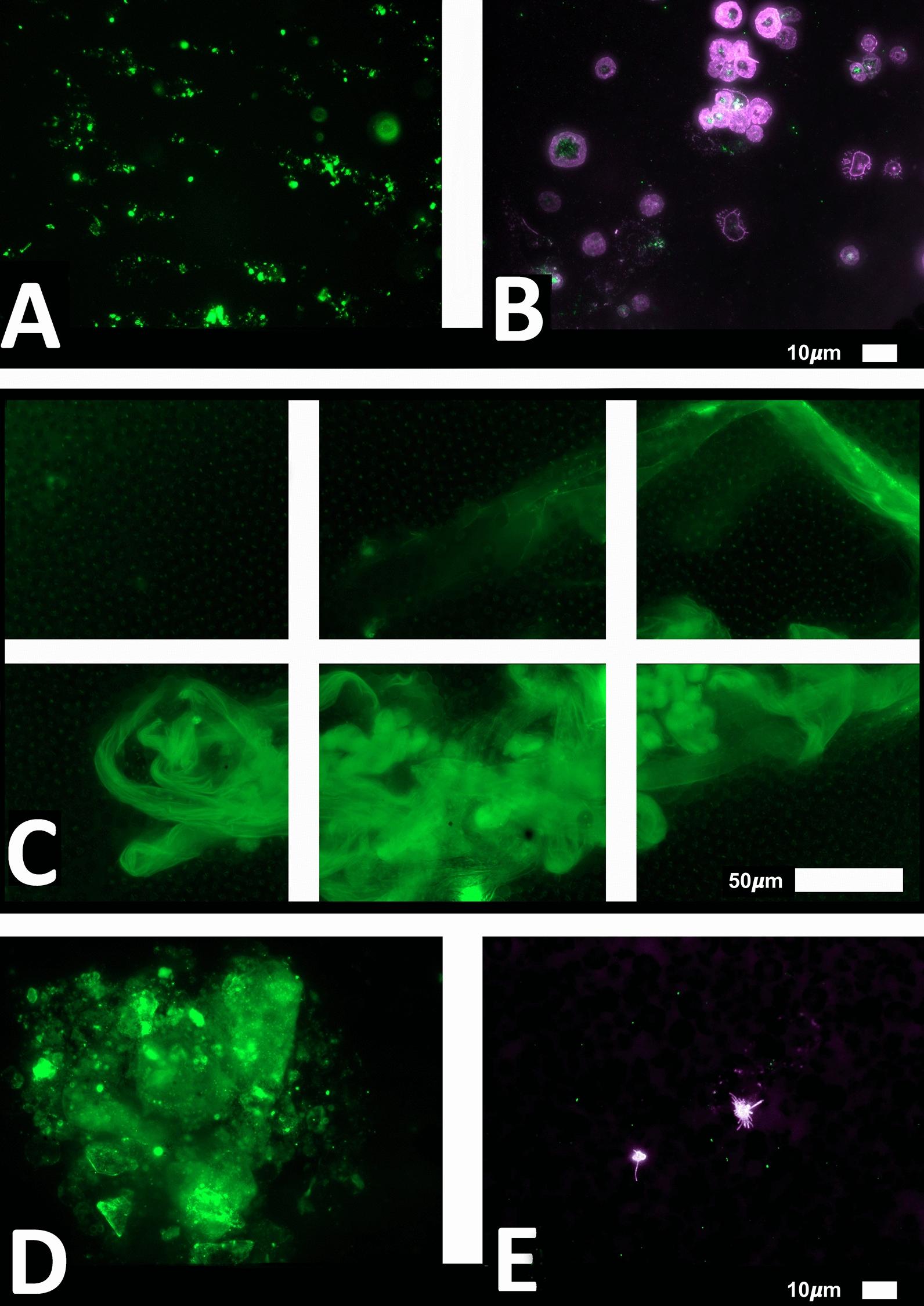
In this study, we report on the comorbidities and persistent symptoms, using data obtained from 845 South African Long COVID/PASC patients. By using a previously published scoring system for fibrin amyloid microclots and platelet pathology, we also analysed blood samples from 80 patients, and report the presence of significant fibrin amyloid microclots and platelet pathology in all cases.
RESULTS
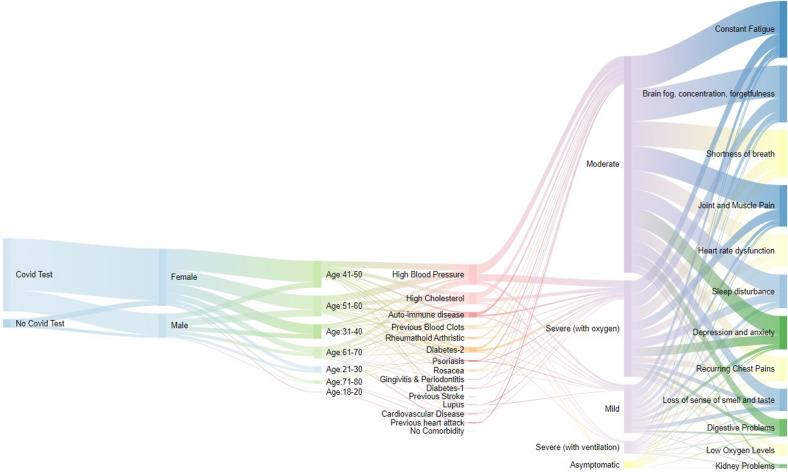
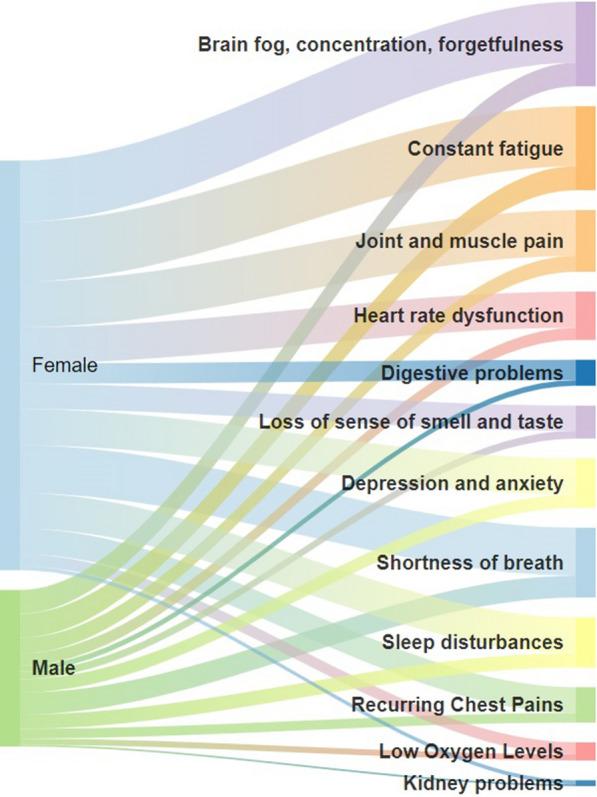
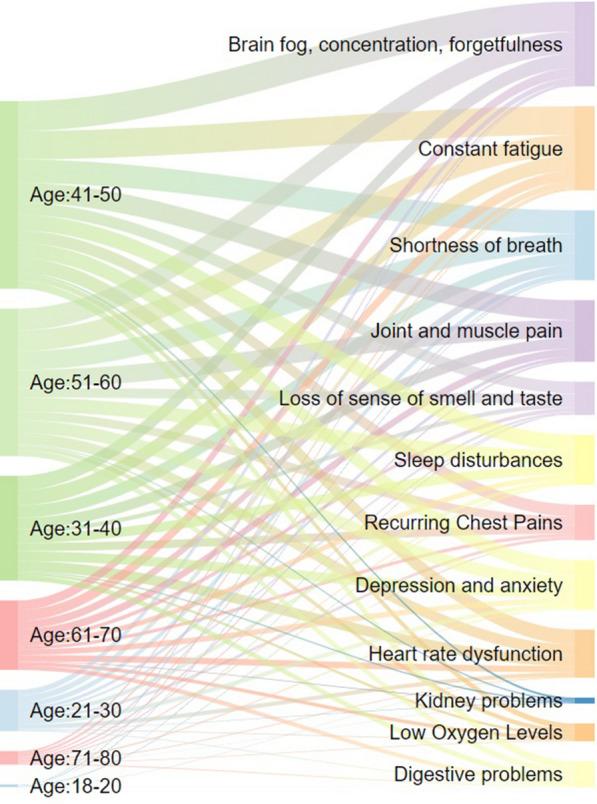
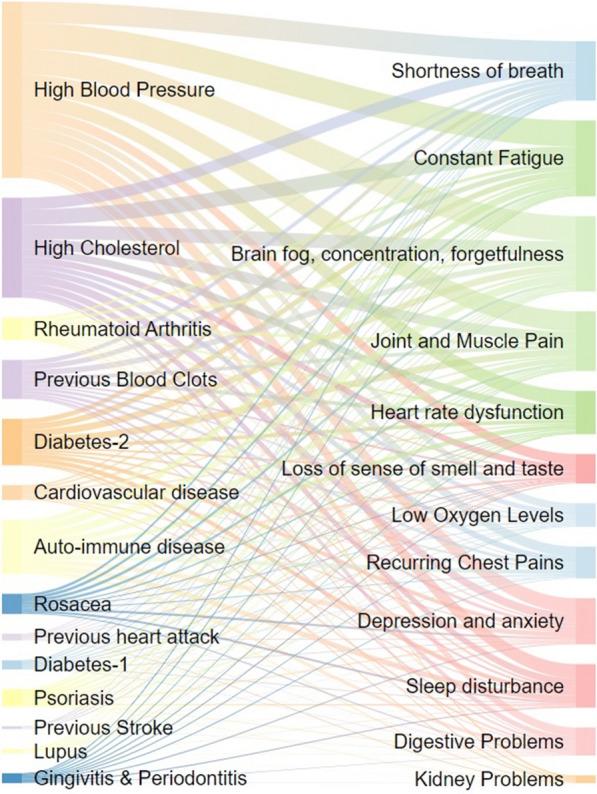
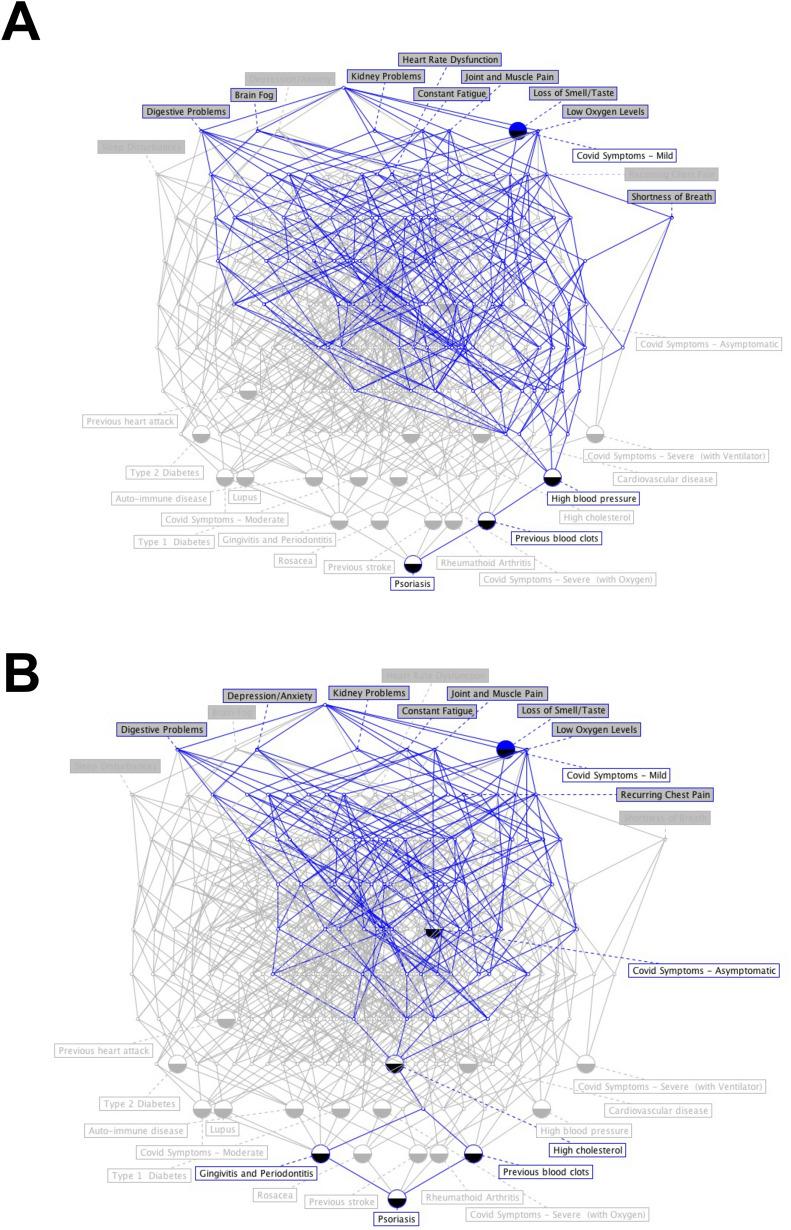
Hypertension, high cholesterol levels (dyslipidaemia), cardiovascular disease and type 2 diabetes mellitus (T2DM) were found to be the most important comorbidities. The gender balance (70% female) and the most commonly reported Long COVID/PASC symptoms (fatigue, brain fog, loss of concentration and forgetfulness, shortness of breath, as well as joint and muscle pains) were comparable to those reported elsewhere. These findings confirmed that our sample was not atypical. Microclot and platelet pathologies were associated with Long COVID/PASC symptoms that persisted after the recovery from acute COVID-19.
CONCLUSIONS
Fibrin amyloid microclots that block capillaries and inhibit the transport of O to tissues, accompanied by platelet hyperactivation, provide a ready explanation for the symptoms of Long COVID/PASC. Removal and reversal of these underlying endotheliopathies provide an important treatment option that urgently warrants controlled clinical studies to determine efficacy in patients with a diversity of comorbidities impacting on SARS-CoV-2 infection and COVID-19 severity. We suggest that our platelet and clotting grading system provides a simple and cost-effective diagnostic method for early detection of Long COVID/PASC as a major determinant of effective treatment, including those focusing on reducing clot burden and platelet hyperactivation.
背景
纤维蛋白(原)微栓子和血小板过度激活此前被报道为南非 2019 年冠状病毒病(COVID-19)和长期 COVID/COVID-19 后急性后遗症(PASC)患者的一种新发现,可能为长期 COVID/PASC 的症状提供一组合适的临床治疗焦点。随后建立了一个长期 COVID/PASC 登记处,作为一个在线平台,患者可以在该平台上报告长期 COVID/PASC 的症状和先前的合并症。
方法
在这项研究中,我们使用从 845 名南非长期 COVID/PASC 患者中获得的数据报告了合并症和持续症状。通过使用先前发表的纤维蛋白微栓子和血小板病理学评分系统,我们还分析了 80 名患者的血液样本,并报告所有病例均存在显著的纤维蛋白微栓子和血小板病理学。
结果
高血压、高胆固醇水平(血脂异常)、心血管疾病和 2 型糖尿病(T2DM)被认为是最重要的合并症。性别平衡(70%为女性)和最常见的长期 COVID/PASC 症状(疲劳、脑雾、注意力不集中和健忘、呼吸急促以及关节和肌肉疼痛)与其他地方报道的相似。这些发现证实了我们的样本并不典型。微栓子和血小板病理学与急性 COVID-19 康复后持续存在的长期 COVID/PASC 症状有关。
结论
阻塞毛细血管并抑制 O 向组织运输的纤维蛋白微栓子,伴随着血小板过度激活,为长期 COVID/PASC 的症状提供了一个现成的解释。清除和逆转这些潜在的血管内皮病变为一种重要的治疗选择提供了依据,迫切需要进行对照临床试验,以确定对各种合并症影响 SARS-CoV-2 感染和 COVID-19 严重程度的患者的疗效。我们建议我们的血小板和凝血分级系统为早期发现长期 COVID/PASC 提供了一种简单且具有成本效益的诊断方法,作为有效治疗的主要决定因素,包括那些侧重于减轻血栓负担和血小板过度激活的治疗方法。

 Zotero 插件