
一种骨骼和软骨健康的关键代谢调节剂。
A Key Metabolic Regulator of Bone and Cartilage Health.
机构信息
Medical Unit of High Specialty of Traumatology, Orthopedics and Rehabilitation "Dr. Victorio de la Fuente Narváez", Mexican Social Security Institute, Mexico City, Mexico.
National School of Medicine and Homeopathy, National Polytechnic Institute, Mexico City, Mexico.
出版信息
Endocrinol Metab (Seoul). 2022 Aug;37(4):559-574. doi: 10.3803/EnM.2022.1443. Epub 2022 Aug 8.
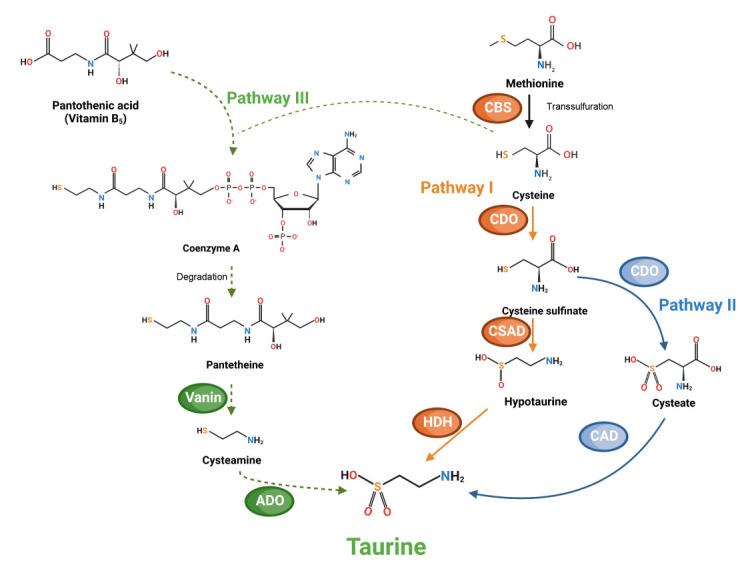
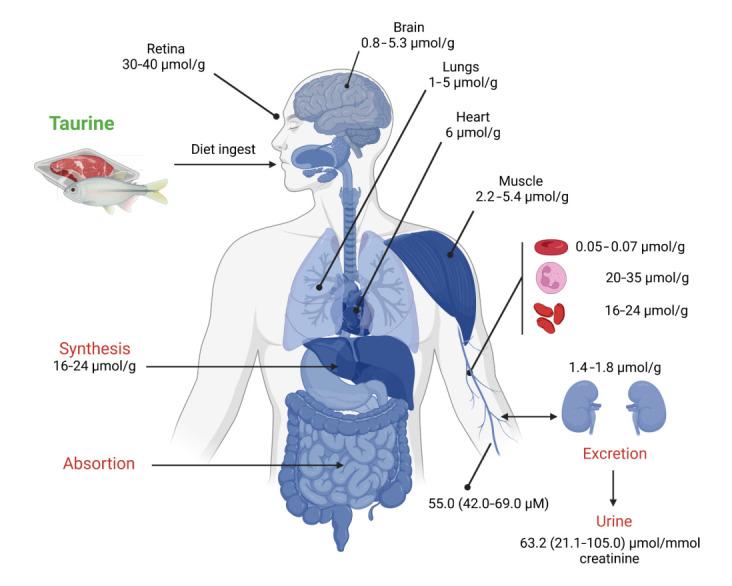
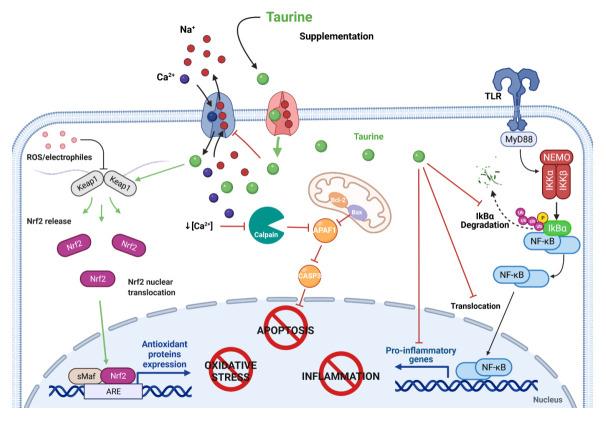
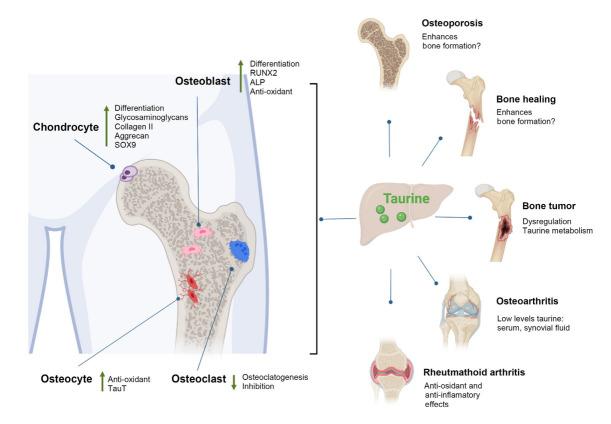
Taurine, a cysteine-derived zwitterionic sulfonic acid, is a common ingredient in energy drinks and is naturally found in fish and other seafood. In humans, taurine is produced mainly in the liver, and it can also be obtained from food. In target tissues, such as the retina, heart, and skeletal muscle, it functions as an essential antioxidant, osmolyte, and antiapoptotic agent. Taurine is also involved in energy metabolism and calcium homeostasis. Taurine plays a considerable role in bone growth and development, and high-profile reports have demonstrated the importance of its metabolism for bone health. However, these reports have not been collated for more than 10 years. Therefore, this review focuses on taurine-bone interactions and covers recently discovered aspects of taurine's effects on osteoblastogenesis, osteoclastogenesis, bone structure, and bone pathologies (e.g., osteoporosis and fracture healing), with due attention to the taurine-cartilage relationship.
牛磺酸是一种由半胱氨酸衍生的两性离子磺酸,是能量饮料中的常见成分,天然存在于鱼类和其他海鲜中。在人体中,牛磺酸主要在肝脏中产生,也可以从食物中获得。在靶组织中,如视网膜、心脏和骨骼肌中,牛磺酸作为一种必需的抗氧化剂、渗透调节剂和抗凋亡剂发挥作用。牛磺酸还参与能量代谢和钙稳态。牛磺酸在骨骼生长和发育中起着相当大的作用,有大量报道表明其代谢对骨骼健康很重要。然而,这些报道已有 10 多年没有被整理过了。因此,本综述重点关注牛磺酸与骨骼的相互作用,涵盖了最近发现的牛磺酸对成骨细胞、破骨细胞生成、骨结构和骨病理学(如骨质疏松症和骨折愈合)的影响方面,同时也注意到了牛磺酸与软骨的关系。

 Zotero 插件