
[具体药物名称1]、[具体药物名称2]和[具体药物名称3]对鱼藤酮暴露的[具体受试对象]的民族药理学作用:细胞、生化和机体标志物的减弱
Ethnopharmacological Effects of , , and on Rotenone-Exposed : An Attenuation of Cellular, Biochemical, and Organismal Markers.
作者信息
Shabir Shabnam, Yousuf Sumaira, Singh Sandeep Kumar, Vamanu Emanuel, Singh Mahendra P
机构信息
School of Bioengineering and Biosciences, Lovely Professional University, Phagwara 144411, India.
Indian Scientific Education and Technology Foundation, Lucknow 226002, India.
出版信息
Antioxidants (Basel). 2022 Aug 21;11(8):1623. doi: 10.3390/antiox11081623.
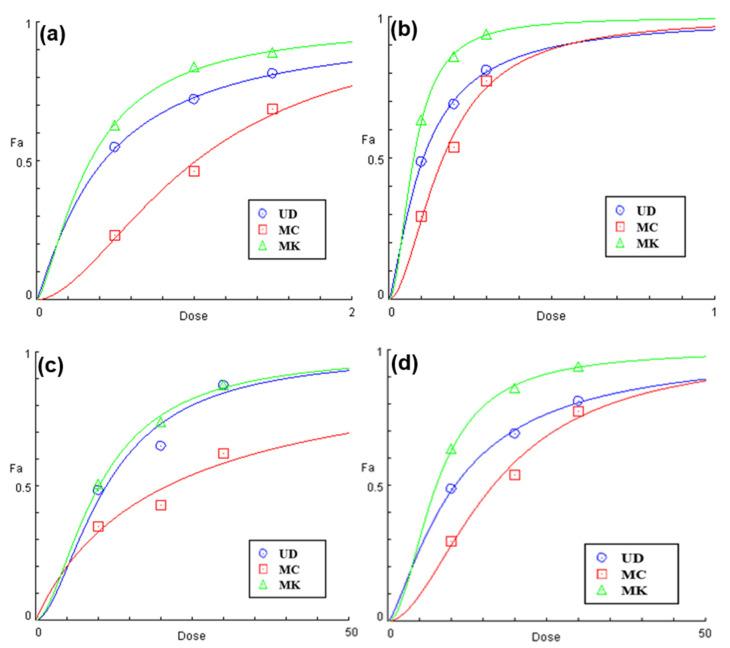
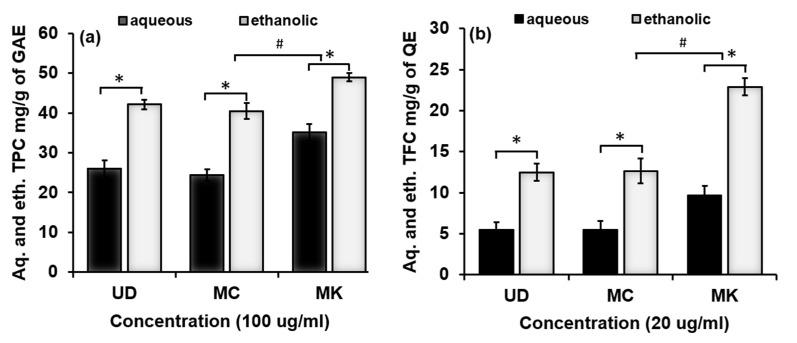
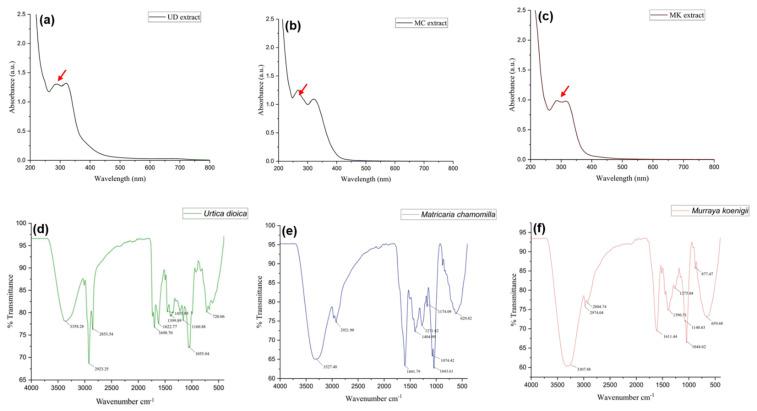
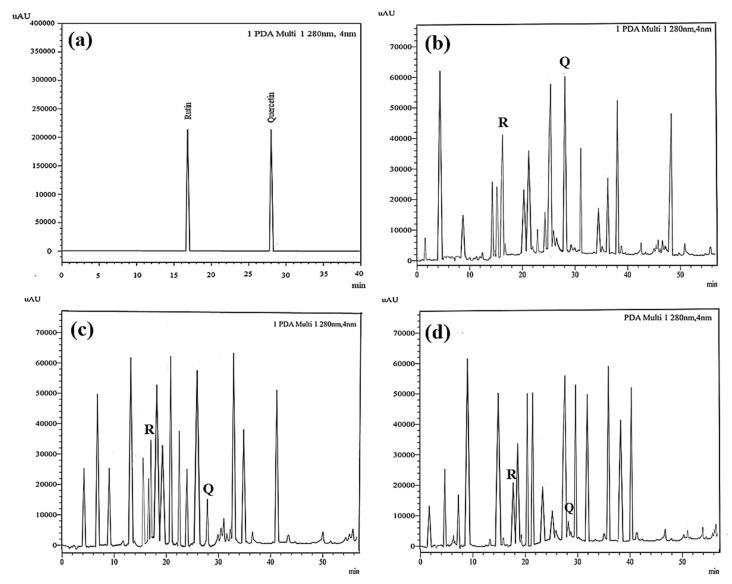
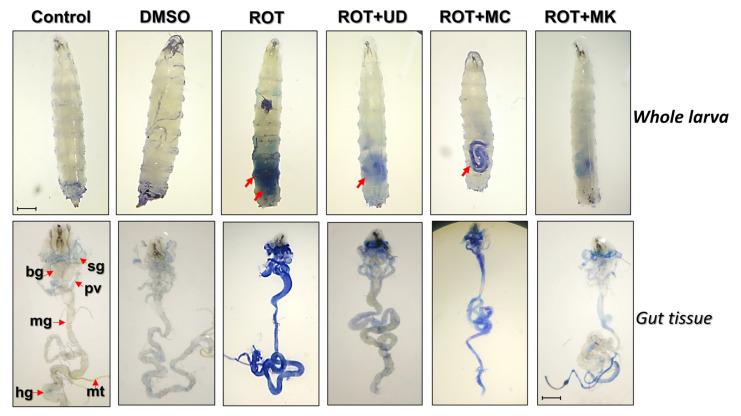
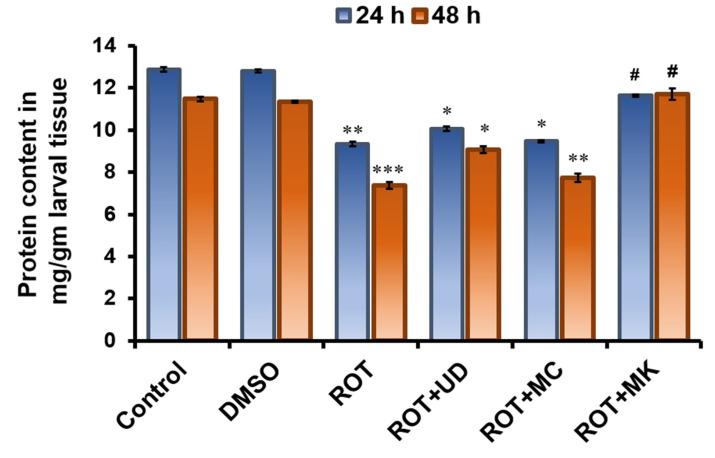
Natural antioxidants derived from plants have been proven to have significant inhibitory effects on the free radicals of living organisms during actively metabolization. Excessive production of free radicals increases the risk of neurodegenerative diseases, such as Alzheimer’s disease, Parkinson’s disease, and motor sclerosis. This study aimed to compare the ethnopharmacological effects of Urtica dioica (UD), Matricaria chamomilla (MC), and Murraya koenigii (MK) on the amelioration of rotenone-induced toxicity in wild-type Drosophila melanogaster (Oregon R+) at biochemical, cellular, and behavioral levels. Phytoextracts were prepared from all three plants, i.e., UD, MC, and MK (aqueous and ethanolic fractions), and their bioactive compounds were evaluated using in vitro biochemical parameters (DPPH, ABTS, TPC, and TFC), UV-Vis, followed by FT-IR and HPLC. Third instar larvae and freshly eclosed flies were treated with 500 µM rotenone alone or in combination with UD, MC, and MK for 24 to 120 h. Following exposure, cytotoxicity (dye exclusion test), biochemical (protein estimation and acetylcholinesterase inhibition assays), and behavioral assays (climbing and jumping assays) were performed. Among all three plant extracts, MK exhibited the highest antioxidant properties due to the highest TPC, TFC, DPPH, and ABTS, followed by UD, then MC. The overall trend was MK > UD > MC. In this context, ethnopharmacological properties mimic the same effect in Drosophila, exhibiting significantly (p < 0.05) reduced cytotoxicity (trypan blue), improved biochemical parameters (proteotoxicity and AChE activity), and better behavioral parameters in the organisms cotreated with phyto extracts compared with rotenone. Conclusively, UV-Vis, FTIR, and HPLC analyses differentiated the plant extracts. The findings of this research may be beneficial in the use of select herbs as viable sources of phyto-ingredients that could be of interest in nutraceutical development and various clinical applications.
植物来源的天然抗氧化剂已被证明在生物积极代谢过程中对生物体自由基具有显著的抑制作用。自由基的过量产生会增加神经退行性疾病的风险,如阿尔茨海默病、帕金森病和运动性硬化症。本研究旨在比较荨麻(UD)、洋甘菊(MC)和九里香(MK)在生化、细胞和行为水平上对野生型黑腹果蝇(俄勒冈R+)中鱼藤酮诱导的毒性改善的民族药理学作用。从所有三种植物(即UD、MC和MK)中制备植物提取物(水相和乙醇相部分),并使用体外生化参数(DPPH、ABTS、总酚含量(TPC)和总黄酮含量(TFC))、紫外可见光谱,随后进行傅里叶变换红外光谱(FT-IR)和高效液相色谱(HPLC)对其生物活性化合物进行评估。用500µM鱼藤酮单独或与UD、MC和MK联合处理三龄幼虫和刚羽化的果蝇24至120小时。暴露后,进行细胞毒性(染料排斥试验)、生化(蛋白质测定和乙酰胆碱酯酶抑制试验)和行为试验(攀爬和跳跃试验)。在所有三种植物提取物中,MK由于其最高的TPC、TFC、DPPH和ABTS表现出最高的抗氧化性能,其次是UD,然后是MC。总体趋势是MK>UD>MC。在此背景下,民族药理学特性在果蝇中模拟了相同的效果,与鱼藤酮相比,在与植物提取物共同处理的生物体中,细胞毒性(台盼蓝)显著降低(p<0.05),生化参数(蛋白毒性和乙酰胆碱酯酶活性)得到改善,行为参数更好。总之,紫外可见光谱、傅里叶变换红外光谱和高效液相色谱分析区分了植物提取物。本研究结果可能有助于将某些草药用作植物成分的可行来源,这可能对营养保健品开发和各种临床应用具有重要意义。



 Zotero 插件