
FAPI PET与FDG PET、CT或MRI用于胰腺癌、胃癌和胆管癌分期:系统评价及诊断性能的直接比较
FAPI PET versus FDG PET, CT or MRI for Staging Pancreatic-, Gastric- and Cholangiocarcinoma: Systematic Review and Head-to-Head Comparisons of Diagnostic Performances.
作者信息
Veldhuijzen van Zanten Sophie E M, Pieterman Kay J, Wijnhoven Bas P L, Pruis Ilanah J, Groot Koerkamp Bas, van Driel Lydi M J W, Verburg Frederik A, Thomeer Maarten G J
机构信息
Department of Radiology and Nuclear Medicine, Erasmus Medical Center, Dr. Molewaterplein 40, 3015 GD Rotterdam, The Netherlands.
Department of Surgery, Erasmus Medical Center, 3015 GD Rotterdam, The Netherlands.
出版信息
Diagnostics (Basel). 2022 Aug 12;12(8):1958. doi: 10.3390/diagnostics12081958.
INTRODUCTION
There is a pressing demand for the development of cancer-specific diagnostic imaging tools, particularly for staging of pancreatic-, gastric- or cholangiocarcinoma, as current diagnostic imaging techniques, including CT, MRI and PET using FDG, are not fully adequate. The novel PET-tracer "FAPI" has the potential to visualize even small tumour deposits employing the tumour-specific expression of fibroblast-activating protein (FAP) in malignant cells.
METHODS
We performed a systematic review to select studies investigating the use of FAPI PET for staging pancreatic-, gastric- and cholangiocarcinoma (PROSPERO CRD42022329512). Patient-wise and lesion-wise comparisons were performed for primary tumour (T), lymph nodes (N), organ metastases (M) and peritoneal carcinomatosis (PC). Maximum standardized uptake values (SUVmax) and tumour-to-background ratios (TBR) were compared between PET using FAPI versus FDG (if reported).
RESULTS
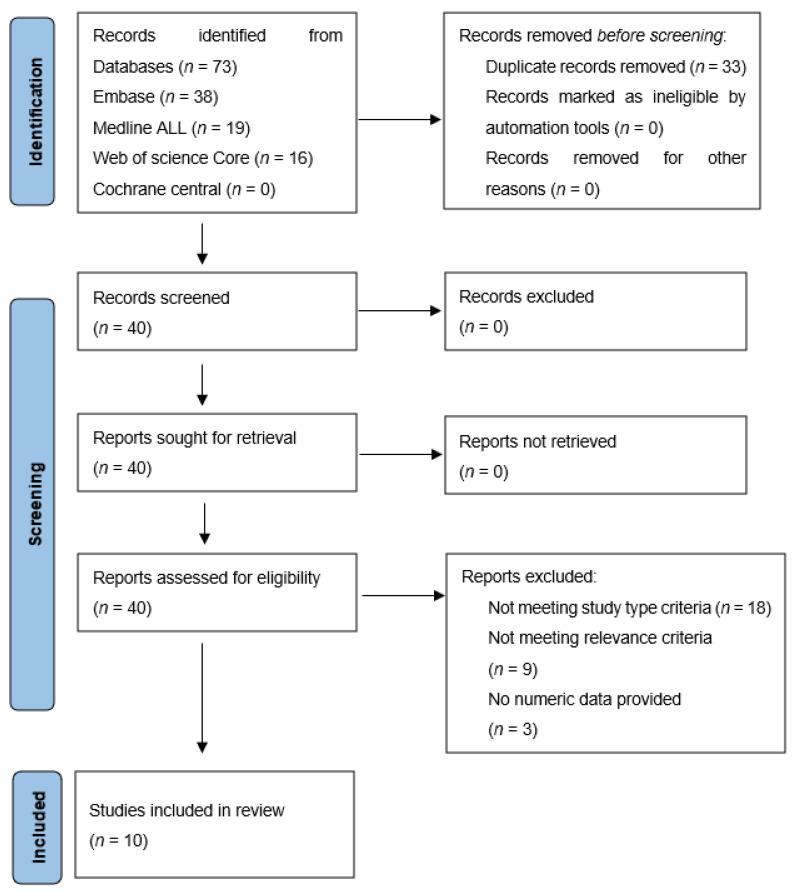
Ten articles met the inclusion criteria. In all studies, FAPI PET showed superiority over FDG-PET/CT/MRI for the detection of T, N, M and PC, both in the patient-wise and in lesion-wise comparisons (when performed). Additionally, higher SUVmax and TBRmax values were reported for use of FAPI compared to FDG.
CONCLUSIONS
The positive results of this review warrant prospective clinical studies to investigate the accuracy and clinical value of FAPI PET for diagnosing and staging patients with pancreatic-, gastric- and cholangiocarcinoma.
引言
目前迫切需要开发癌症特异性诊断成像工具,特别是用于胰腺癌、胃癌或胆管癌的分期,因为包括CT、MRI和使用FDG的PET在内的当前诊断成像技术并不完全适用。新型PET示踪剂“FAPI”有可能利用恶性细胞中成纤维细胞激活蛋白(FAP)的肿瘤特异性表达来显示即使是微小的肿瘤沉积物。
方法
我们进行了一项系统评价,以选择研究FAPI PET用于胰腺癌、胃癌和胆管癌分期的研究(PROSPERO CRD42022329512)。对原发性肿瘤(T)、淋巴结(N)、器官转移(M)和腹膜种植转移(PC)进行患者层面和病灶层面的比较。比较了使用FAPI的PET与FDG的PET(如果有报告)之间的最大标准化摄取值(SUVmax)和肿瘤与背景比值(TBR)。
结果
10篇文章符合纳入标准。在所有研究中,无论是在患者层面还是病灶层面的比较中(如果进行),FAPI PET在检测T、N、M和PC方面均显示出优于FDG-PET/CT/MRI。此外,与FDG相比,使用FAPI时报告的SUVmax和TBRmax值更高。
结论
本评价的阳性结果值得进行前瞻性临床研究,以探讨FAPI PET在诊断和分期胰腺癌、胃癌和胆管癌患者中的准确性和临床价值。
 Zotero 插件