
脂蛋白(a)与动脉粥样硬化性心血管疾病及主动脉瓣狭窄:欧洲动脉粥样硬化学会共识声明。
Lipoprotein(a) in atherosclerotic cardiovascular disease and aortic stenosis: a European Atherosclerosis Society consensus statement.
机构信息
Institute of Genetic Epidemiology, Medical University of Innsbruck, Innsbruck, Austria.
Center for Lipid Metabolomics, Division of Preventive Medicine, and Division of Cardiovascular Medicine, Brigham and Women's Hospital, Harvard Medical School, Boston, MA 02115, USA.
出版信息
Eur Heart J. 2022 Oct 14;43(39):3925-3946. doi: 10.1093/eurheartj/ehac361.
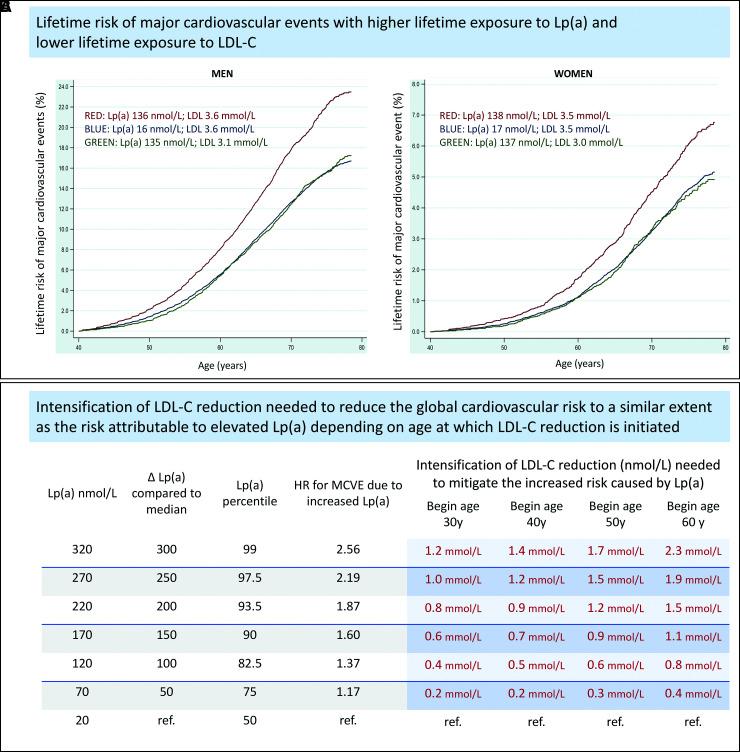
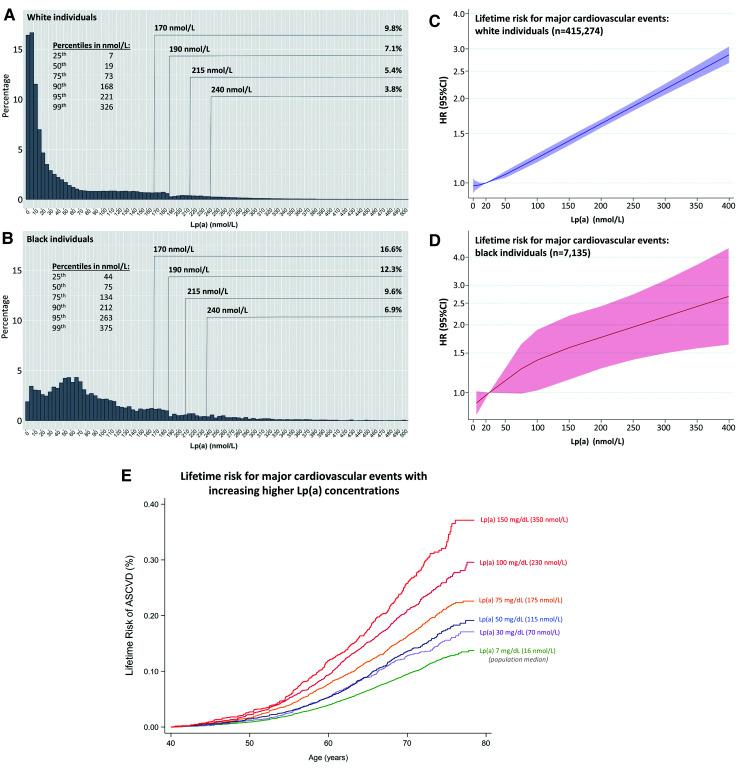
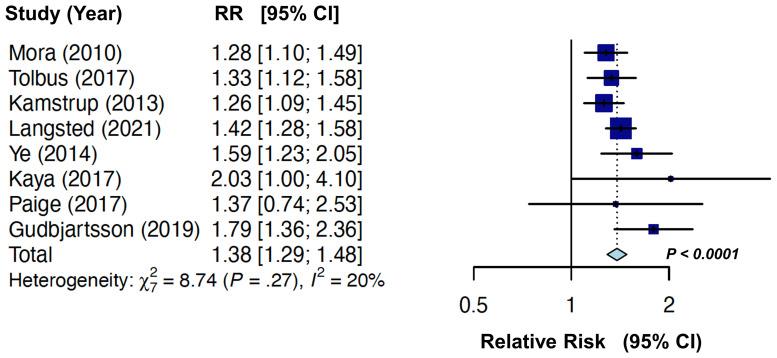
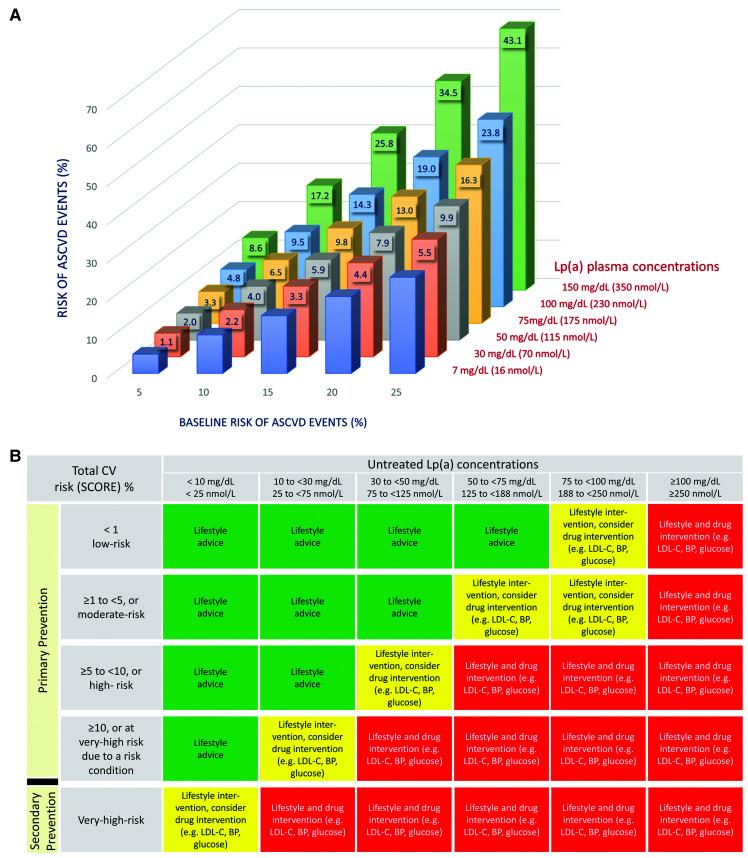
This 2022 European Atherosclerosis Society lipoprotein(a) [Lp(a)] consensus statement updates evidence for the role of Lp(a) in atherosclerotic cardiovascular disease (ASCVD) and aortic valve stenosis, provides clinical guidance for testing and treating elevated Lp(a) levels, and considers its inclusion in global risk estimation. Epidemiologic and genetic studies involving hundreds of thousands of individuals strongly support a causal and continuous association between Lp(a) concentration and cardiovascular outcomes in different ethnicities; elevated Lp(a) is a risk factor even at very low levels of low-density lipoprotein cholesterol. High Lp(a) is associated with both microcalcification and macrocalcification of the aortic valve. Current findings do not support Lp(a) as a risk factor for venous thrombotic events and impaired fibrinolysis. Very low Lp(a) levels may associate with increased risk of diabetes mellitus meriting further study. Lp(a) has pro-inflammatory and pro-atherosclerotic properties, which may partly relate to the oxidized phospholipids carried by Lp(a). This panel recommends testing Lp(a) concentration at least once in adults; cascade testing has potential value in familial hypercholesterolaemia, or with family or personal history of (very) high Lp(a) or premature ASCVD. Without specific Lp(a)-lowering therapies, early intensive risk factor management is recommended, targeted according to global cardiovascular risk and Lp(a) level. Lipoprotein apheresis is an option for very high Lp(a) with progressive cardiovascular disease despite optimal management of risk factors. In conclusion, this statement reinforces evidence for Lp(a) as a causal risk factor for cardiovascular outcomes. Trials of specific Lp(a)-lowering treatments are critical to confirm clinical benefit for cardiovascular disease and aortic valve stenosis.
这份 2022 年欧洲动脉粥样硬化学会脂蛋白(a) [Lp(a)]共识声明更新了 Lp(a) 在动脉粥样硬化性心血管疾病 (ASCVD) 和主动脉瓣狭窄中的作用证据,为检测和治疗升高的 Lp(a)水平提供了临床指导,并考虑将其纳入全球风险评估。涉及数十万人的流行病学和遗传学研究强烈支持 Lp(a)浓度与不同种族人群心血管结局之间存在因果关系和连续关系;即使在低密度脂蛋白胆固醇水平非常低的情况下,升高的 Lp(a)也是一个风险因素。高 Lp(a)与主动脉瓣的微钙化和大钙化都有关。目前的研究结果不支持 Lp(a)是静脉血栓栓塞事件和纤溶受损的风险因素。非常低的 Lp(a)水平可能与糖尿病风险增加有关,值得进一步研究。Lp(a)具有促炎和促动脉粥样硬化的特性,这可能部分与 Lp(a)携带的氧化磷脂有关。本专家组建议至少在成年人中检测一次 Lp(a)浓度;级联检测在家族性高胆固醇血症或有家族或个人高 Lp(a)或早发 ASCVD 病史时具有潜在价值。在没有特异性 Lp(a)降低治疗的情况下,建议根据全球心血管风险和 Lp(a)水平进行早期强化危险因素管理。脂蛋白吸附术是一种选择,适用于尽管进行了最佳的危险因素管理,但仍有进展性心血管疾病的极高 Lp(a)患者。总之,本声明强化了 Lp(a)作为心血管结局的因果风险因素的证据。特异性 Lp(a)降低治疗的试验对于确认心血管疾病和主动脉瓣狭窄的临床获益至关重要。




 Zotero 插件