
长链非编码 RNA BACE1 的上调和 LINC-PINT 的下调与 CRC 的临床病理特征有关。
Up regulation of long non-coding RNAs BACE1 and down regulation of LINC-PINT are associated with CRC clinicopathological characteristics.
机构信息
Basic and Molecular Epidemiology of Gastrointestinal Disorders Research Centre, Research Institute for Gastroenterology and Liver Diseases, Shaheed Beheshti University of Medical Sciences, Tehran, Iran.
Faculty of Health and Wellbeing, Canterbury Christ Church University, North Holmes Road, Canterbury, CT1 1QU, UK.
出版信息
Mol Biol Rep. 2022 Nov;49(11):10259-10267. doi: 10.1007/s11033-022-07707-4. Epub 2022 Sep 10.
BACKGROUND
Long non-coding RNAs (LncRNAs) are known to have regulatory consequences for aberrant gene expression in cancers. The aim of this study was to evaluate the expression levels of long non-encoding RNAs, BACE1 (β-secretase1) and LINC-PINT (Long Intergenic Non-Protein Coding RNA, P53 Induced Transcript), in colorectal cancer (CRC) with clinicopathological parameters.
METHODS AND RESULTS
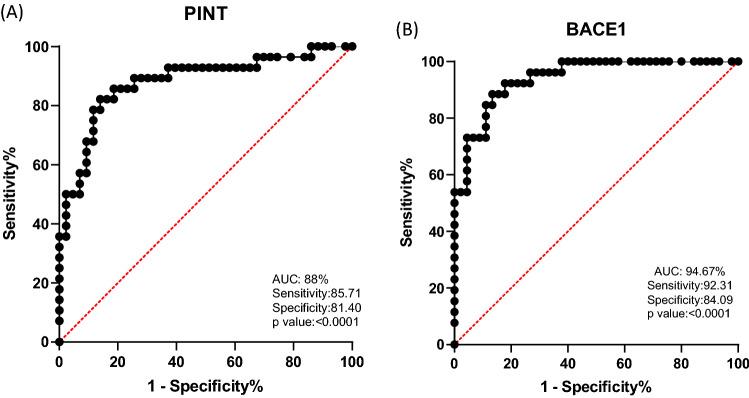
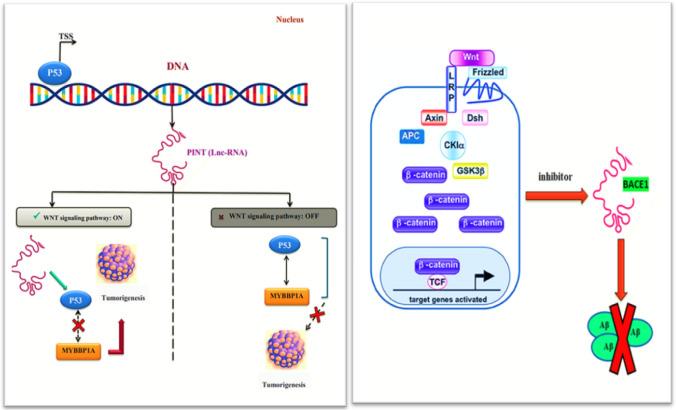
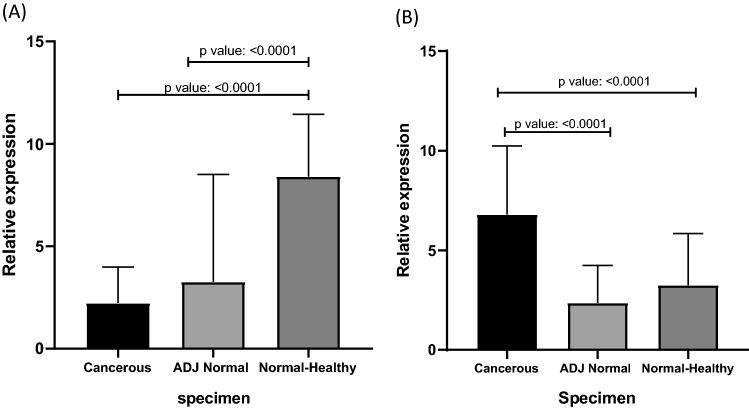
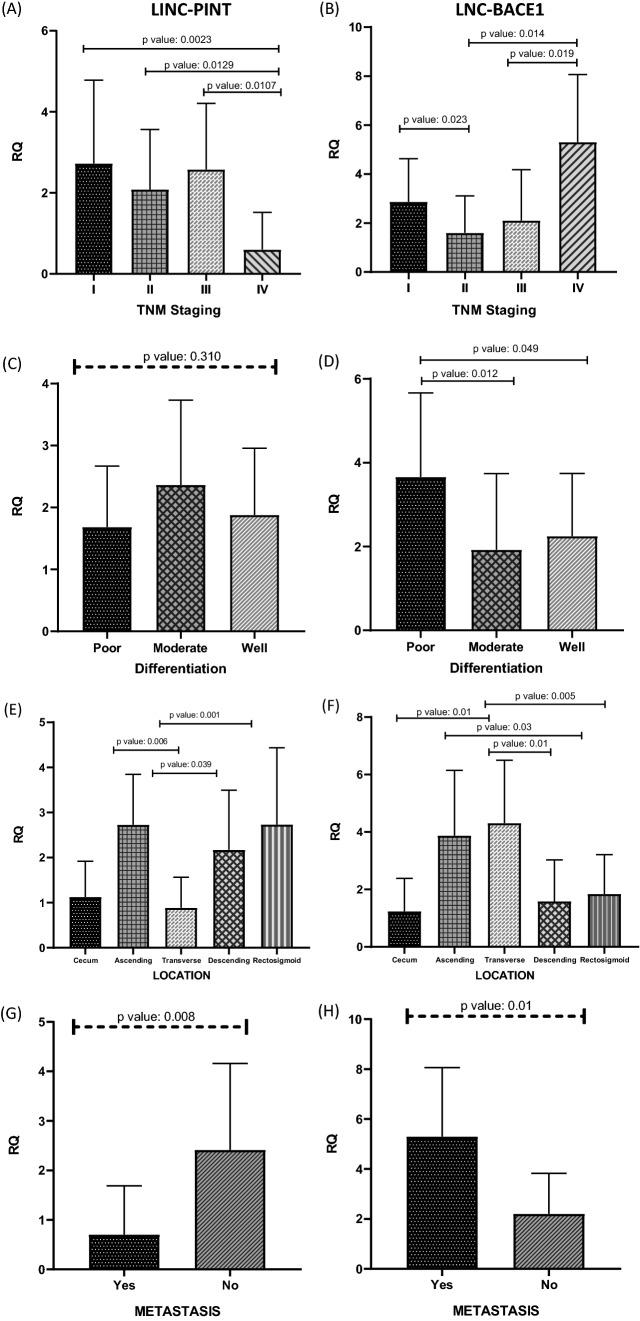
Bioinformatics analysis defining effectual signalling pathways Wnt. A total of 130 tissue samples (50 fresh CRC tissues with parallel adjacent normal tissues (ADJ) accompanied with 30 normal healthy control tissue samples) were collected from the Iranian population. mRNA expression analysis was performed via Real Time Q-PCR. Statistical analysis for comparing CRC expression levels with ADJ and normal healthy tissues were carried out using Kruskal-Wallis tests. The Receiver Operating Characteristic (ROC) curve was plotted for each LNC, separately. We discovered that PINT and BACE1 expression levels were decreased and increased respectively in CRC tumour samples compared with ADJ normal and healthy tissues. Clinicopathological parameter assessment revealed a significant relationship between PINT expression, tumour location, staging and distant metastasis (p < 0.009, p < 0.014, p < 0.008, respectively). Also, BACE1 over expression was significantly associated with tumour site (p < 0.009), metastasis (p < 0.017) and histological differentiation (p < 0.028) and staging (p < 0.017). Furthermore, ROC curve plotting showed LINC-PINT LNC-BACE1 may distinguish between early and late-stage of CRC, highlighting the value of both BACE1 and PINT as CRC progression biomarkers.
CONCLUSION
We investigated two LNCRNAs (PINT and BACE1) as potential CRC prognostic biomarkers, which are imperative for early and effective medical intervention in CRC. Expression levels of PINT and BACE1 in CRC tissue samples may serve to identify metastasis earlier, increasing patient survival rates and expediating clinical treatment options.
背景
长非编码 RNA(lncRNA)已知在癌症中对异常基因表达具有调节作用。本研究旨在评估长非编码 RNA、BACE1(β-分泌酶 1)和 LINC-PINT(长基因间非蛋白编码 RNA、p53 诱导转录物)在结直肠癌(CRC)中的表达水平及其与临床病理参数的关系。
方法和结果
生物信息学分析定义了有效的信号通路 Wnt。共收集了来自伊朗人群的 130 个组织样本(50 个新鲜 CRC 组织与平行的相邻正常组织(ADJ),以及 30 个正常健康对照组组织样本)。通过实时 Q-PCR 进行 mRNA 表达分析。使用 Kruskal-Wallis 检验对 CRC 表达水平与 ADJ 和正常健康组织进行比较。为每个 LNC 分别绘制了接收器操作特征(ROC)曲线。我们发现,与 ADJ 正常组织和健康组织相比,CRC 肿瘤样本中 PINT 和 BACE1 的表达水平分别降低和升高。临床病理参数评估显示,PINT 表达与肿瘤位置、分期和远处转移之间存在显著关系(p<0.009、p<0.014、p<0.008,分别)。此外,BACE1 的过表达与肿瘤部位(p<0.009)、转移(p<0.017)、组织学分化(p<0.028)和分期(p<0.017)显著相关。此外,ROC 曲线绘制显示,LINC-PINT LNC-BACE1 可区分 CRC 的早期和晚期阶段,突出了 BACE1 和 PINT 作为 CRC 进展生物标志物的价值。
结论
我们研究了两种 LncRNA(PINT 和 BACE1)作为潜在的 CRC 预后生物标志物,这对于 CRC 的早期和有效医学干预至关重要。CRC 组织样本中 PINT 和 BACE1 的表达水平可更早识别转移,提高患者生存率并加速临床治疗选择。
 Zotero 插件