
肝细胞癌中一种新型外泌体相关基因特征的构建
Construction of a novel exosomes-related gene signature in hepatocellular carcinoma.
作者信息
Tao Qiqi, Zhu Kai, Zhan Yating, Zhang Rongrong, Lang Zhichao, Yu Zhengping, Wang Meng
机构信息
Department of Hepatobiliary Surgery, The First Affiliated Hospital of Wenzhou Medical University, Wenzhou, China.
出版信息
Front Cell Dev Biol. 2022 Aug 29;10:997734. doi: 10.3389/fcell.2022.997734. eCollection 2022.
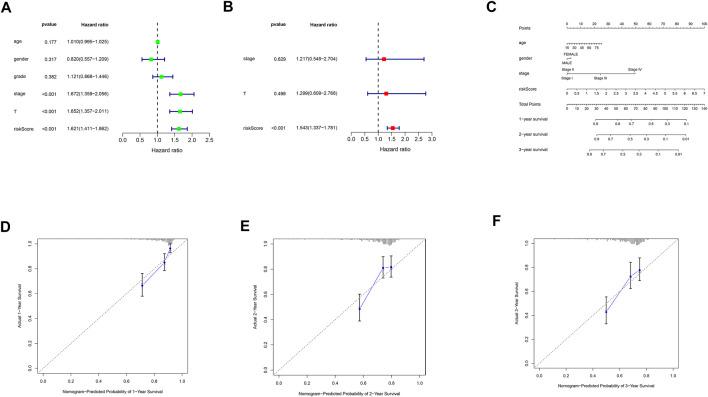
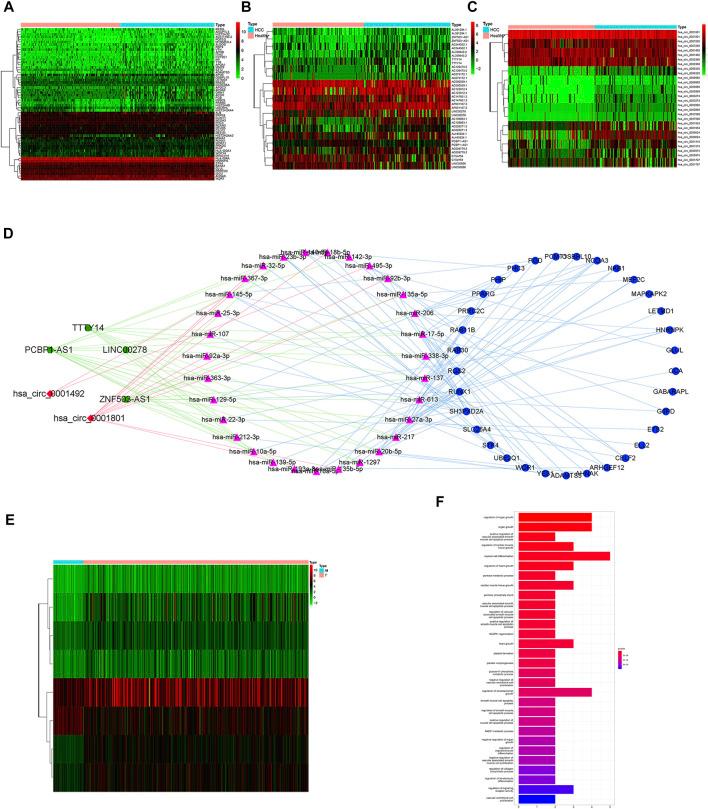
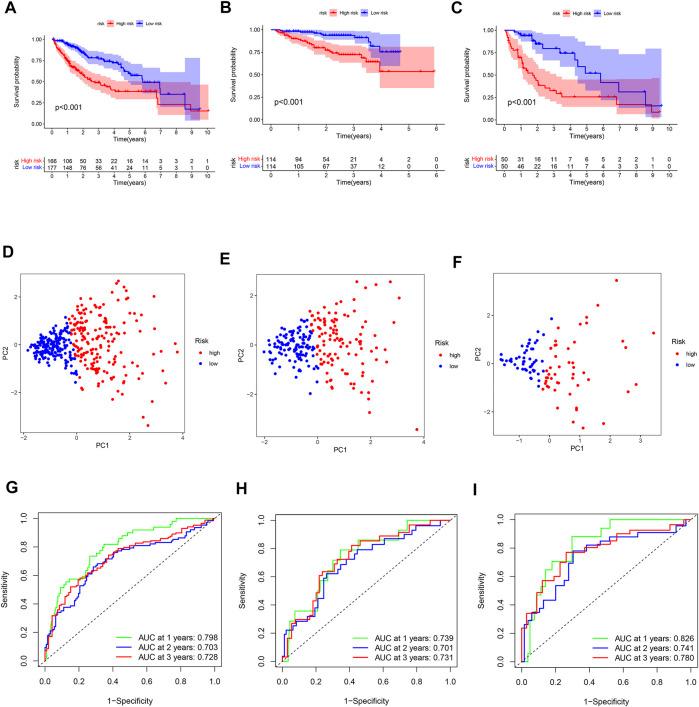
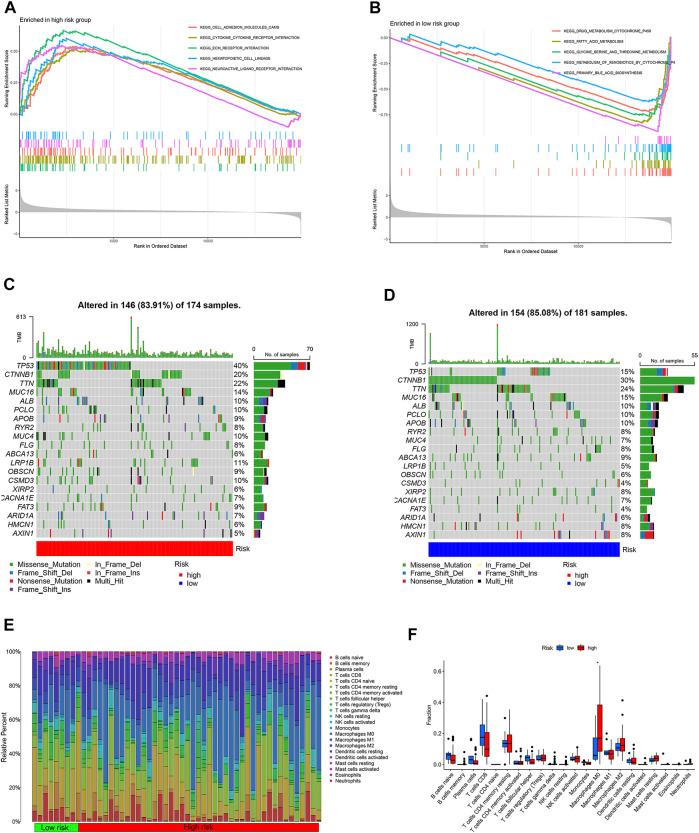
Exosomes are extracellular vesicles between 40 and 150 nm in diameter and are cargoes for a wide range of small biological molecules. Recent studies have reported that lncRNAs, miRNAs, circRNAs in serum exosomes may serve as biomarkers to predict hepatocellular carcinoma (HCC) prognosis. However, the prognostic values of exosomes-related mRNAs in HCC are still unclear. Data of HCC patients were downloaded from The Cancer Genome Atlas (TCGA) database. The serum exosome sequencing data of HCC patients and healthy individuals were obtained from the exobase database. Univariate cox regression analysis was used to identify prognostic exosomes-related genes. LASSO and multivariate cox regression analyses were applied to construct prognostic signature. 22 exosomes-related mRNAs differentially expressed between HCC tissues and normal tissues were identified. Then, 8 prognostic exosomes-related mRNAs were screened. Subsequently, G6PD and ADAMTS5, selected by LASSO and multivariate cox regression analyses, were used to construct a prognostic signature. The patients with high-risk scores had a poor prognosis in TCGA cohort as well as ICGC cohort. Notably, this prognostic signature was also validated in a local cohort collected from the First Affiliated Hospital of Wenzhou Medical University. Receiver Operating Characteristic (ROC) analyses indicated that the signature had a good performance in all the cohorts. The gene set enrichment analysis revealed that this signature was associated with cell cycle and metabolism pathways. Immune infiltration analysis indicated that the patients with high-risk scores had a higher M0 macrophages infiltration. The univariate and multivariate cox regression analyses identified that the risk score is an independent risk factor for HCC. In addition, a nomogram containing age, gender, stage and risk score was constructed to precisely predict HCC prognosis. In conclusion, we develop a novel exosomes-related gene signature that helps to predict HCC prognosis.
外泌体是直径在40至150纳米之间的细胞外囊泡,是多种小生物分子的载体。最近的研究报道,血清外泌体中的长链非编码RNA(lncRNAs)、微小RNA(miRNAs)、环状RNA(circRNAs)可能作为预测肝细胞癌(HCC)预后的生物标志物。然而,HCC中与外泌体相关的信使核糖核酸(mRNAs)的预后价值仍不清楚。HCC患者的数据从癌症基因组图谱(TCGA)数据库下载。HCC患者和健康个体的血清外泌体测序数据从外泌体数据库获得。采用单因素cox回归分析来识别与预后相关的外泌体基因。运用套索(LASSO)和多因素cox回归分析构建预后特征。鉴定出22个在HCC组织和正常组织之间差异表达的与外泌体相关的mRNAs。然后,筛选出8个与预后相关的外泌体mRNAs。随后,通过LASSO和多因素cox回归分析选择的葡萄糖-6-磷酸脱氢酶(G6PD)和含血小板反应蛋白基序的金属蛋白酶5(ADAMTS5)用于构建预后特征。高危评分的患者在TCGA队列以及国际癌症基因组联盟(ICGC)队列中的预后较差。值得注意的是,这个预后特征在温州医科大学附属第一医院收集的一个本地队列中也得到了验证。受试者工作特征(ROC)分析表明,该特征在所有队列中都有良好的表现。基因集富集分析显示,这个特征与细胞周期和代谢途径相关。免疫浸润分析表明,高危评分的患者有更高的M0巨噬细胞浸润。单因素和多因素cox回归分析确定,风险评分是HCC的一个独立危险因素。此外,构建了一个包含年龄、性别、分期和风险评分的列线图,以精确预测HCC的预后。总之,我们开发了一种新的与外泌体相关的基因特征,有助于预测HCC的预后。


 Zotero 插件