
具有增强芬顿反应活性用于罗丹明B降解的铜掺杂碳点
Copper-doped carbon dots with enhanced Fenton reaction activity for rhodamine B degradation.
作者信息
Jin Zhiru, Li Qiuying, Tang Peiduo, Li Ganfeng, Liu Li, Chen Dong, Wu Ji, Chai Zhihui, Huang Gang, Chen Xing
机构信息
School of Public Health, Guangxi Medical University Nanning 530021 China
Department of Ultrasonic Medicine, First Affiliated Hospital of Guangxi Medical University Nanning 530021 China
出版信息
Nanoscale Adv. 2022 Jun 8;4(14):3073-3082. doi: 10.1039/d2na00269h. eCollection 2022 Jul 15.
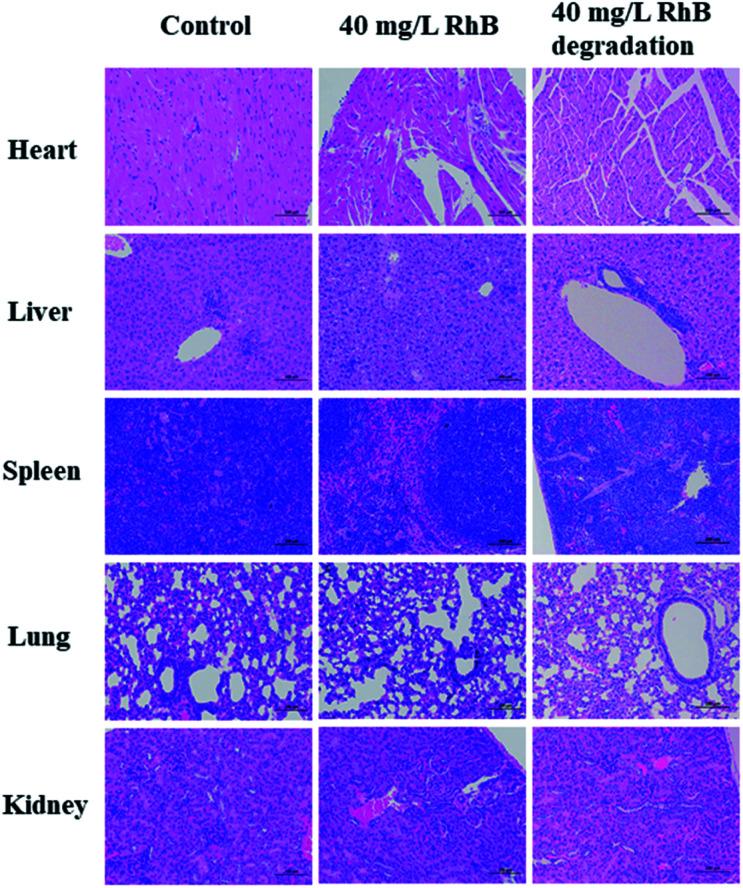
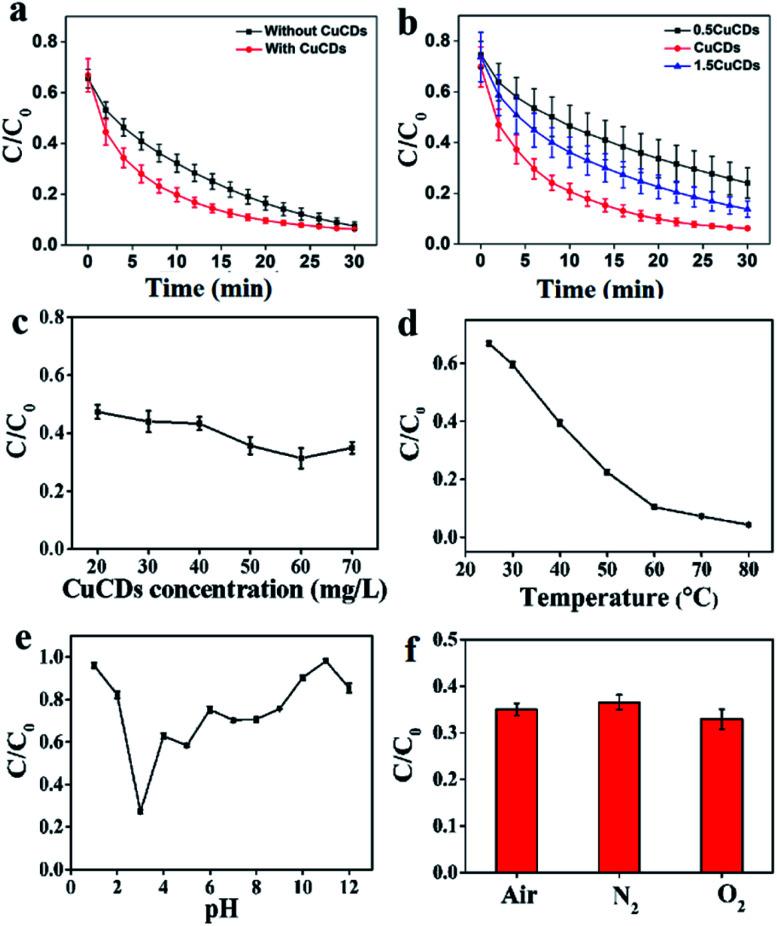
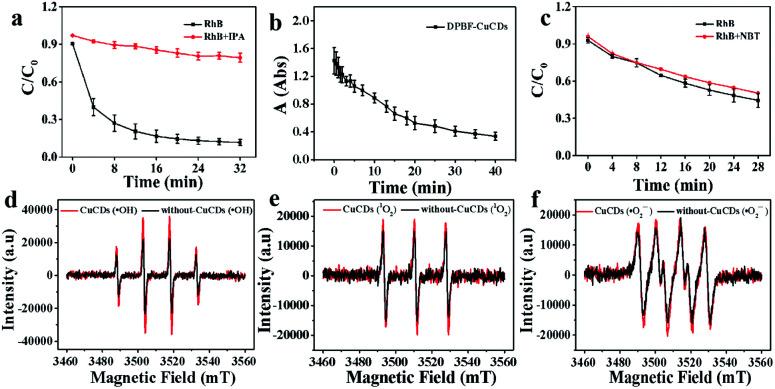
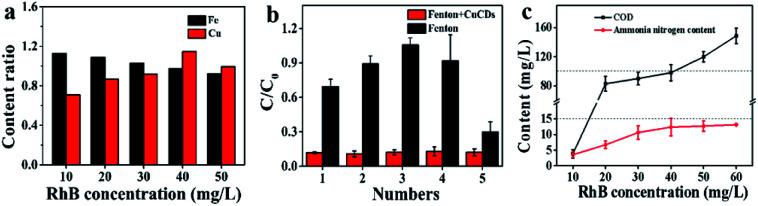
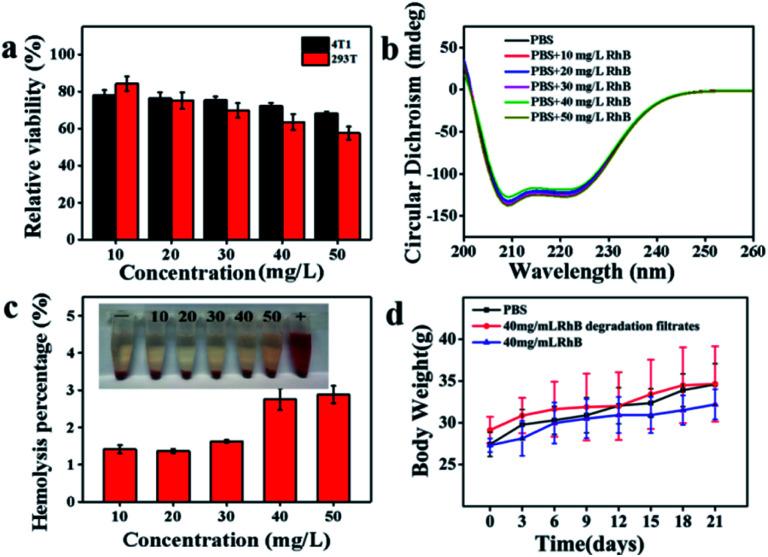
The Fenton reaction has attracted extensive attention due to its potential to be a highly efficient and environmentally friendly wastewater treatment technology. Noble copper-doped carbon dots (CuCDs) are prepared through a simple one-step hydrothermal method with 3,4-dihydroxyhydrocinnamic acid, 2,2'-(ethylenedioxy)bis(ethylamine) and copper chloride, endowing the Fenton reaction with enhanced catalytic activity for rhodamine B (RhB) degradation. The effects of the concentration of CuCDs, temperature, pH, oxygen (O), metal ions and polymers on the catalytic activity of CuCDs are investigated. It is worth noting that electron transfer happening on the surface of CuCDs plays a vital role in the RhB degradation process. As evidenced by radical scavenger experiments and electron spin resonance (ESR) studies, CuCDs significantly boost the formation of hydroxyl radicals (˙OH) and singlet oxygen (O), facilitating the Fenton reaction for RhB degradation. Due to the strong oxidation of ROS generated by the Fe + HO + CuCD system, RhB degradation may involve the cleavage of the chromophore aromatic ring and the de-ethylation process. Additionally, the toxicity of RhB degradation filtrates is assessed and . The as-prepared CuCDs may be promising catalytic agents for the enhancement of the Fenton reaction.
芬顿反应因其有可能成为一种高效且环保的废水处理技术而备受关注。通过一种简单的一步水热法,以3,4-二羟基氢化肉桂酸、2,2'-(乙二氧基)双(乙胺)和氯化铜制备了贵金属铜掺杂碳点(CuCDs),赋予芬顿反应对罗丹明B(RhB)降解更强的催化活性。研究了CuCDs浓度、温度、pH值、氧气(O)、金属离子和聚合物对CuCDs催化活性的影响。值得注意的是,在CuCDs表面发生的电子转移在RhB降解过程中起着至关重要的作用。自由基清除剂实验和电子自旋共振(ESR)研究表明,CuCDs显著促进了羟基自由基(˙OH)和单线态氧(O)的形成,促进了芬顿反应对RhB的降解。由于Fe + HO + CuCD体系产生的活性氧具有强氧化性,RhB降解可能涉及发色团芳香环的断裂和脱乙基过程。此外,还评估了RhB降解滤液的毒性。所制备的CuCDs可能是增强芬顿反应的有前景的催化剂。



 Zotero 插件