
肺鳞状细胞癌中的信号通路和靶向治疗:机制和临床试验。
Signaling pathways and targeted therapies in lung squamous cell carcinoma: mechanisms and clinical trials.
机构信息
Department of Thoracic Surgery, Ruijin Hospital, Shanghai Jiao Tong University School of Medicine, 197 Ruijin 2nd Road, Shanghai, China.
Department of Immunology and Microbiology, Shanghai Jiao Tong University School of Medicine, 280 South Chongqing Road, Shanghai, China.
出版信息
Signal Transduct Target Ther. 2022 Oct 5;7(1):353. doi: 10.1038/s41392-022-01200-x.
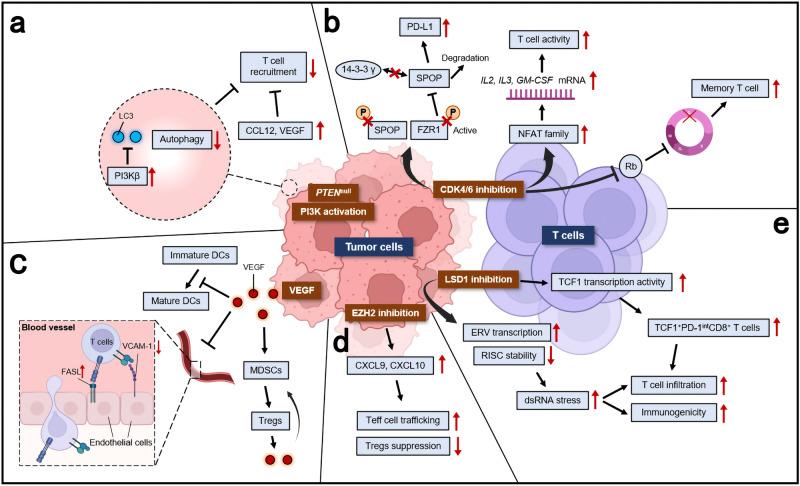
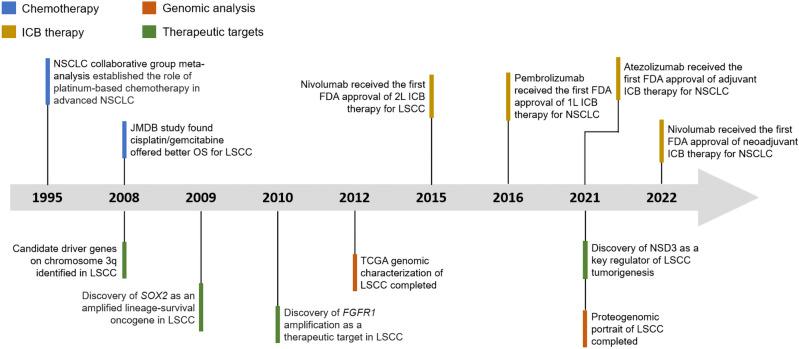
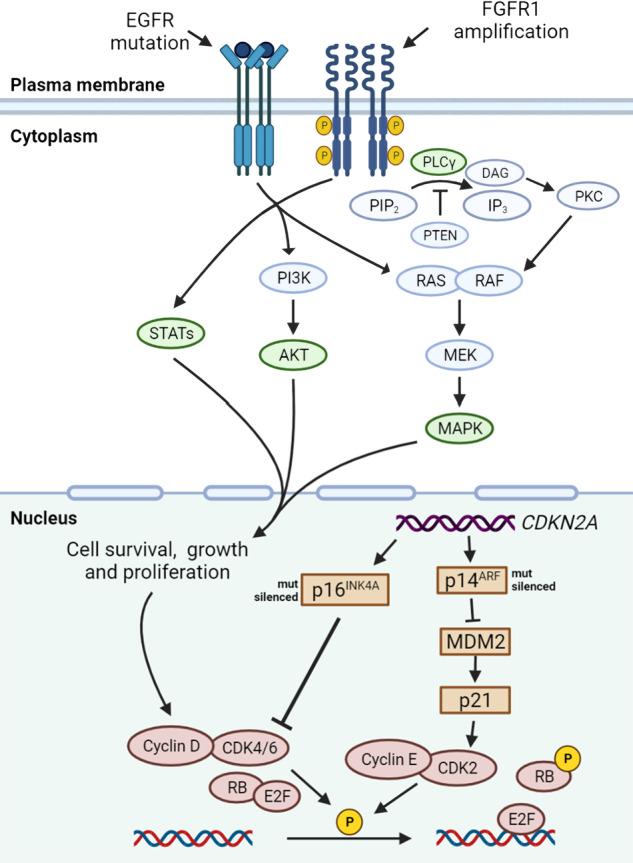
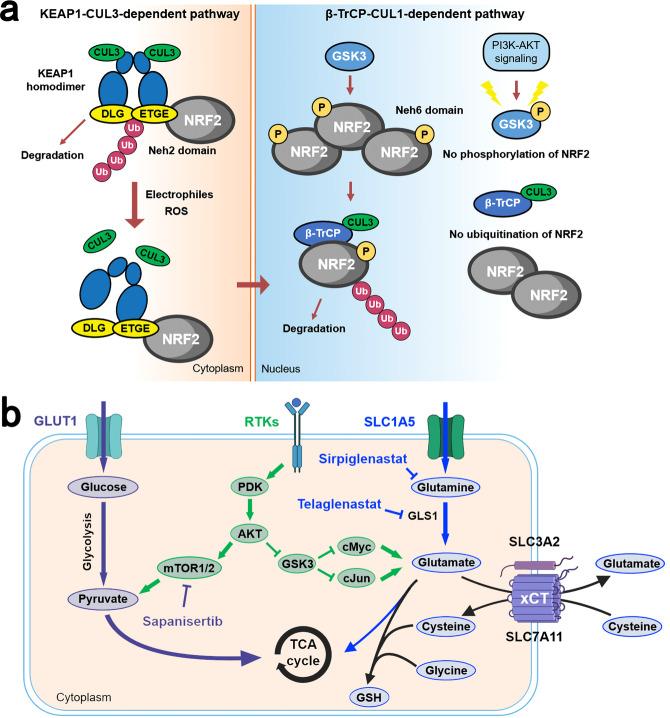
Lung cancer is the leading cause of cancer-related death across the world. Unlike lung adenocarcinoma, patients with lung squamous cell carcinoma (LSCC) have not benefitted from targeted therapies. Although immunotherapy has significantly improved cancer patients' outcomes, the relatively low response rate and severe adverse events hinder the clinical application of this promising treatment in LSCC. Therefore, it is of vital importance to have a better understanding of the mechanisms underlying the pathogenesis of LSCC as well as the inner connection among different signaling pathways, which will surely provide opportunities for more effective therapeutic interventions for LSCC. In this review, new insights were given about classical signaling pathways which have been proved in other cancer types but not in LSCC, including PI3K signaling pathway, VEGF/VEGFR signaling, and CDK4/6 pathway. Other signaling pathways which may have therapeutic potentials in LSCC were also discussed, including the FGFR1 pathway, EGFR pathway, and KEAP1/NRF2 pathway. Next, chromosome 3q, which harbors two key squamous differentiation markers SOX2 and TP63 is discussed as well as its related potential therapeutic targets. We also provided some progress of LSCC in epigenetic therapies and immune checkpoints blockade (ICB) therapies. Subsequently, we outlined some combination strategies of ICB therapies and other targeted therapies. Finally, prospects and challenges were given related to the exploration and application of novel therapeutic strategies for LSCC.
肺癌是全球癌症相关死亡的主要原因。与肺腺癌不同,肺鳞状细胞癌(LSCC)患者并未从靶向治疗中获益。尽管免疫疗法显著改善了癌症患者的预后,但相对较低的响应率和严重的不良反应阻碍了这种有前途的治疗方法在 LSCC 中的临床应用。因此,更好地了解 LSCC 发病机制的机制以及不同信号通路之间的内在联系至关重要,这必将为 LSCC 提供更有效的治疗干预机会。在这篇综述中,我们对其他癌症类型中已证实但在 LSCC 中尚未证实的经典信号通路(包括 PI3K 信号通路、VEGF/VEGFR 信号通路和 CDK4/6 通路)提供了新的见解。还讨论了其他可能在 LSCC 中具有治疗潜力的信号通路,包括 FGFR1 通路、EGFR 通路和 KEAP1/NRF2 通路。接下来,还讨论了包含两个关键鳞状分化标志物 SOX2 和 TP63 的 3q 染色体及其相关潜在治疗靶点。我们还提供了 LSCC 在表观遗传学治疗和免疫检查点阻断(ICB)治疗方面的一些进展。随后,我们概述了 ICB 治疗与其他靶向治疗联合的一些策略。最后,针对 LSCC 新型治疗策略的探索和应用提出了前景和挑战。
 Zotero 插件