
基于转录组学和蛋白质组学技术的镍离子细胞毒性生物标志物的筛选与验证
Screening and validation of nickel ion cytotoxicity biomarkers based on transcriptomic and proteomic technology.
作者信息
Zhang Fudan, Huang Yan, Zhang Yajing, Lü Xiaoying
机构信息
State Key Laboratory of Bioelectronics, School of Biological Science and Medical Engineering, Southeast University, Nanjing 210096, China.
出版信息
Regen Biomater. 2022 Sep 26;9:rbac073. doi: 10.1093/rb/rbac073. eCollection 2022.
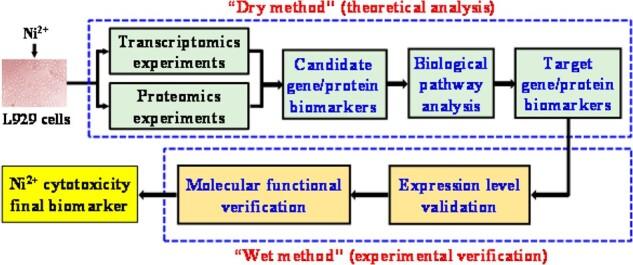
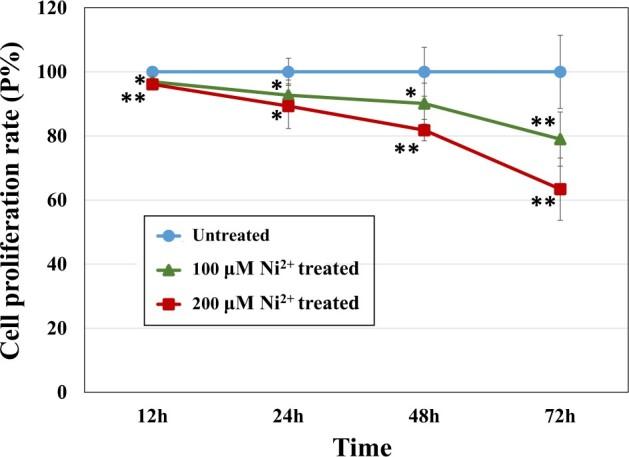
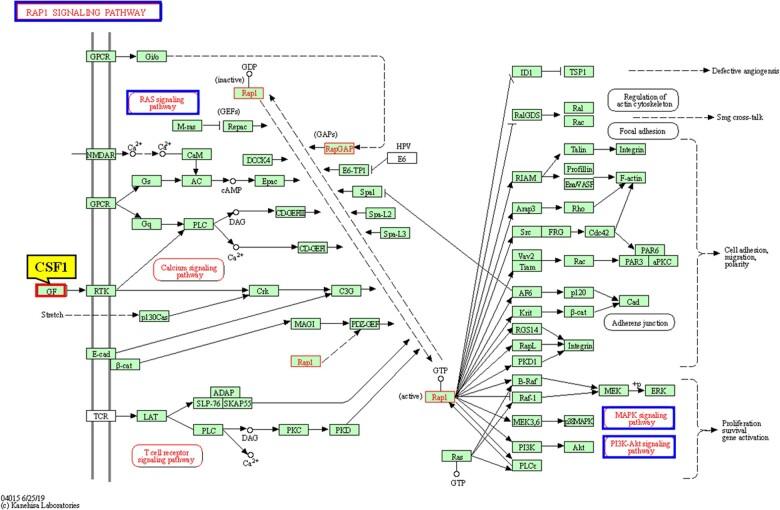
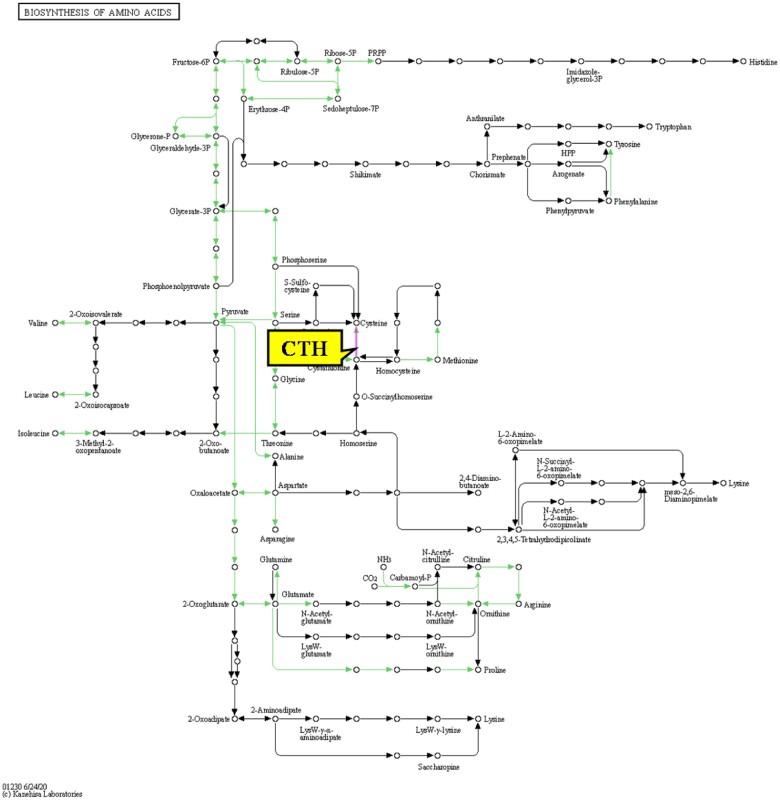
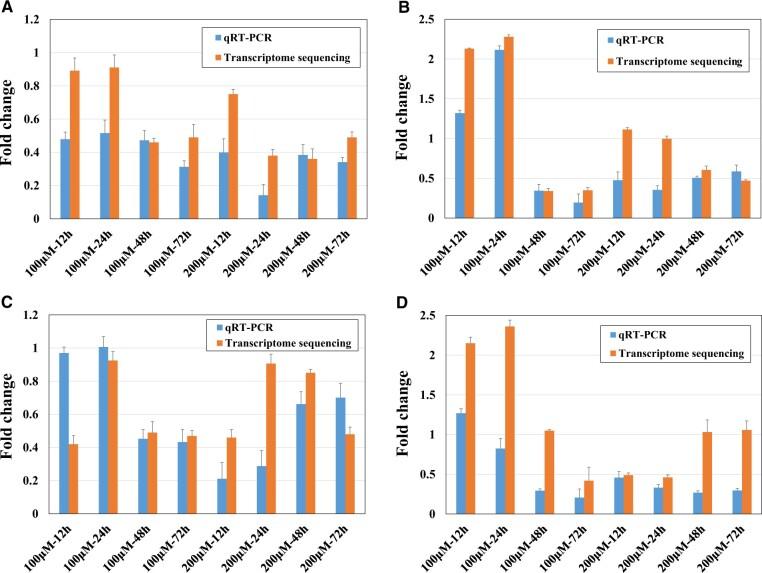
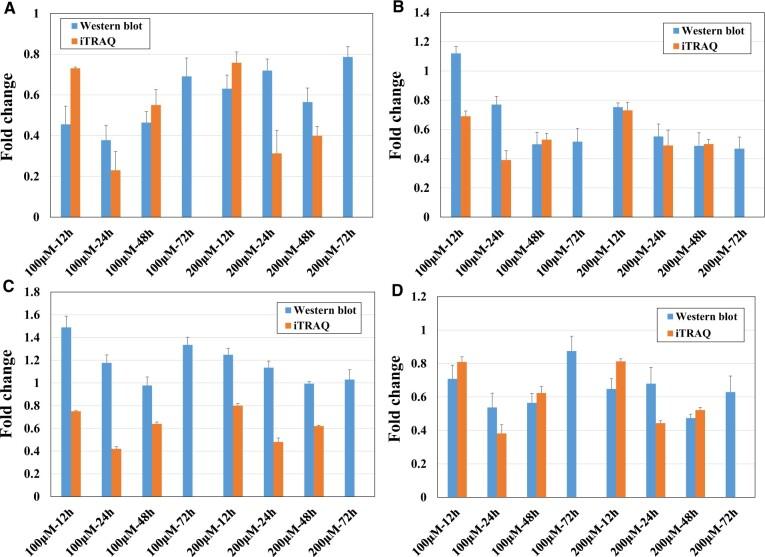
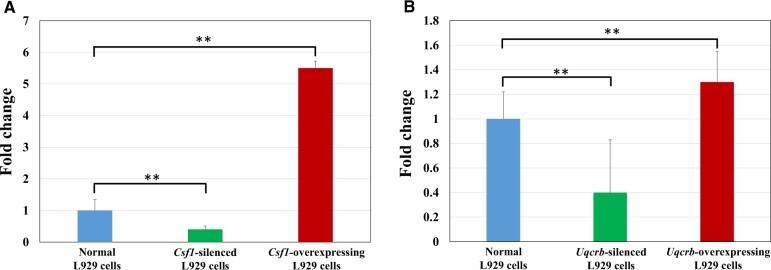
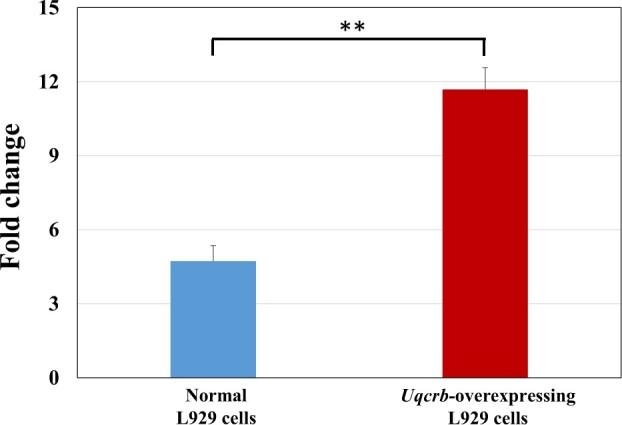
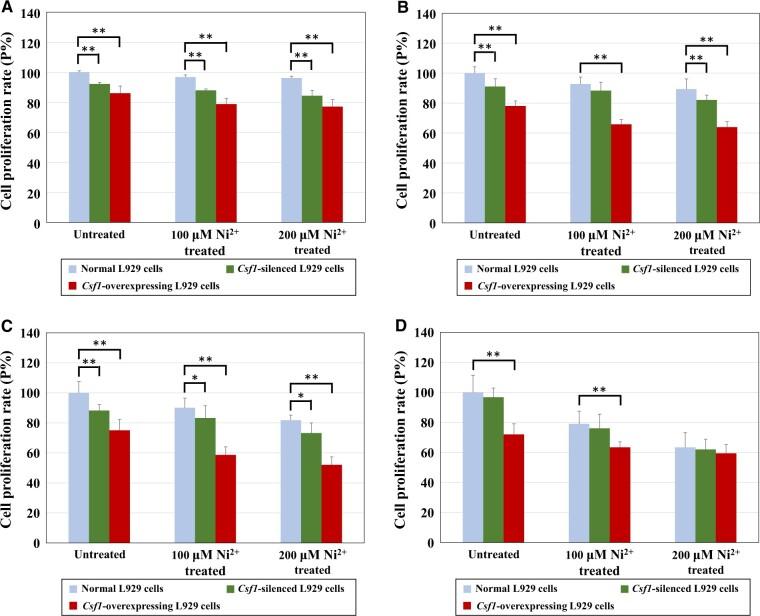
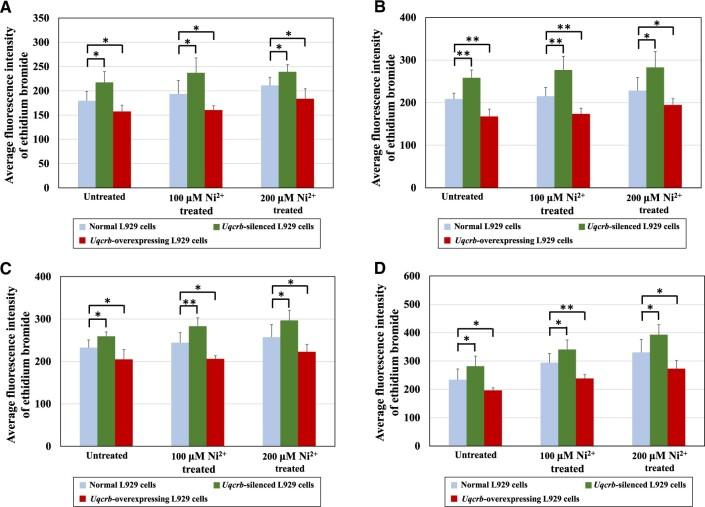
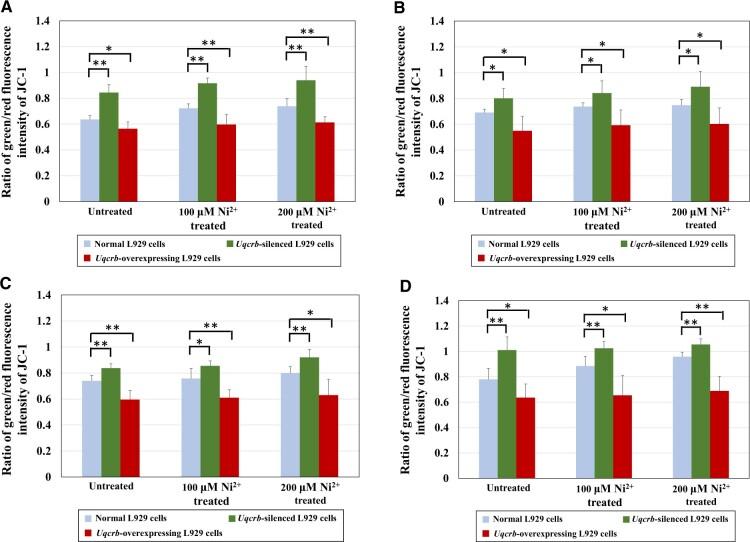
The aim of this study was to screen cytotoxicity biomarkers of nickel ions (Ni) using transcriptomic and proteomic approaches combined with molecular biology validation. First, the MTT method was used to evaluate cytotoxicity in L929 cells treated with Ni at different concentrations. Ni at both 100 μM and 200 μM affected cell proliferation. Then, transcriptomic and proteomic technology was used to study the effects of Ni on the expression of genes/proteins in cells. It was found that 1490, 789, 652 and 729 genes (12, 24, 48 and 72 h, respectively) and 177, 2191 and 2095 proteins (12, 24 and 48 h, respectively) were differentially expressed after treatment with 100 μM Ni. In total, 1403, 963, 916 and 1230 genes (12, 24, 48 and 72 h, respectively) and 83, 1681 and 2398 proteins (12, 24 and 48 h, respectively) were differentially expressed after treatment with 200 μM Ni. Then, four target gene/protein biomarkers were filtered by combined screening using gene/proteomic experimental data and biological pathway analyses. Further expression level validation of all these target biomarkers and functional validation of selected gene/protein biomarkers were carried out, and a final gene/protein biomarker (UQCRB) was identified.
本研究的目的是结合分子生物学验证,采用转录组学和蛋白质组学方法筛选镍离子(Ni)的细胞毒性生物标志物。首先,使用MTT法评估不同浓度Ni处理的L929细胞的细胞毒性。100μM和200μM的Ni均影响细胞增殖。然后,利用转录组学和蛋白质组学技术研究Ni对细胞中基因/蛋白质表达的影响。结果发现,用100μM Ni处理后,分别有1490、789、652和729个基因(分别在12、24、48和72小时)以及177、2191和2095个蛋白质(分别在12、24和48小时)差异表达。用200μM Ni处理后,总共分别有1403、963、916和1230个基因(分别在12、24、48和72小时)以及83、1681和2398个蛋白质(分别在12、24和48小时)差异表达。然后,通过结合基因/蛋白质组学实验数据和生物途径分析进行联合筛选,筛选出四个目标基因/蛋白质生物标志物。对所有这些目标生物标志物进行了进一步的表达水平验证,并对选定的基因/蛋白质生物标志物进行了功能验证,最终鉴定出一个基因/蛋白质生物标志物(UQCRB)。

 Zotero 插件