
益生菌和益生元改善衰弱综合征老年人肠道微生物群的新证据:叙事性综述。
Emerging Evidence on the Use of Probiotics and Prebiotics to Improve the Gut Microbiota of Older Adults with Frailty Syndrome: A Narrative Review.
机构信息
Alexandra Estela Soto Piña, Facultad de Medicina, Universidad Autónoma del Estado de México, Paseo Tollocan esq. Jesús Carranza, Z.C. 50180 Toluca de Lerdo, México; Email address:
出版信息
J Nutr Health Aging. 2022;26(10):926-935. doi: 10.1007/s12603-022-1842-4.
BACKGROUND
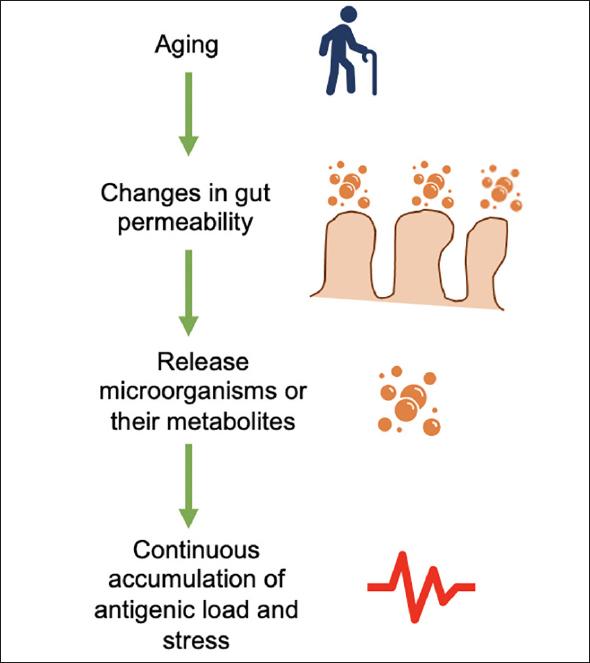
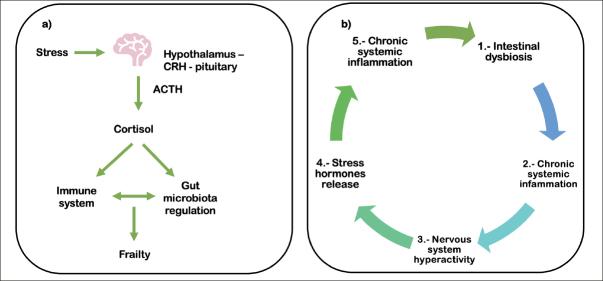
The gut microbiota can impact older adults' health, especially in patients with frailty syndrome. Understanding the association between the gut microbiota and frailty syndrome will help to explain the etiology of age-related diseases. Low-grade systemic inflammation is a factor leading to geriatric disorders, which is known as "inflammaging". Intestinal dysbiosis has a direct relationship with low-grade systemic inflammation because when the natural gut barrier is altered by age or other factors, some microorganisms or their metabolites can cross this barrier and reach the systemic circulation.
OBJECTIVES
This review had two general goals: first, to describe the characteristics of the gut microbiota associated with age-related diseases, specifically frailty syndrome. The second aim was to identify potential interventions to improve the composition and function of intestinal microbiota, consequently lessening the burden of patients with frailty syndrome.
METHODS
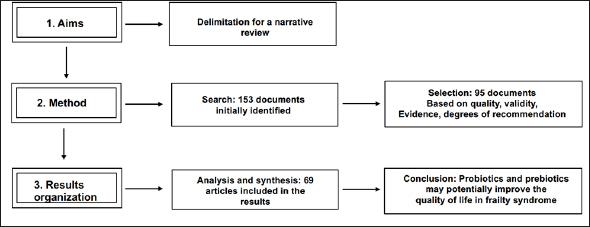
A search of scientific evidence was performed in PubMed, Science Direct, and Redalyc using keywords such as "frailty", "elderly", "nutrient interventions", "probiotics", and "prebiotics". We included studies reporting the effects of nutrient supplementation on frailty syndrome and older adults. These studies were analyzed to identify novel therapeutic alternatives to improve gut microbiota characteristics as well as subclinical signs related to this condition.
RESULTS
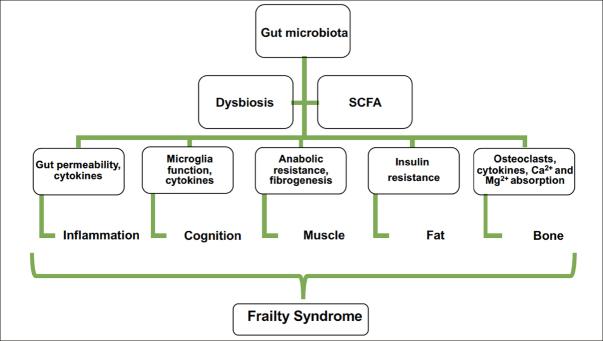
The gut microbiota participates in many metabolic processes that have an impact on the brain, muscles, and other organs. These processes integrate feedback mechanisms, comprising their respective axis with the intestine and the gut microbiota. Alterations in these associations can lead to frailty. We report a few interventions that demonstrate that prebiotics and probiotics could modulate the gut microbiota in humans. Furthermore, other nutritional interventions could be used in patients with frailty syndrome.
CONCLUSION
Probiotics and prebiotics may potentially prevent frailty syndrome or improve the quality of life of patients with this disorder. However, there is not enough information about their appropriate doses and periods of administration. Therefore, further investigations are required to determine these factors and improve their efficacy as therapeutic approaches for frailty syndrome.
背景
肠道微生物群会影响老年人的健康,尤其是在患有衰弱综合征的患者中。了解肠道微生物群与衰弱综合征之间的关系将有助于解释与年龄相关的疾病的病因。低水平系统性炎症是导致老年疾病的一个因素,被称为“炎症衰老”。肠道菌群失调与低水平系统性炎症直接相关,因为当天然肠道屏障因年龄或其他因素而改变时,一些微生物或其代谢物可以穿过这个屏障并到达全身循环。
目的
本综述有两个总体目标:首先,描述与年龄相关疾病(特别是衰弱综合征)相关的肠道微生物群的特征。第二个目的是确定改善肠道微生物群落组成和功能的潜在干预措施,从而减轻衰弱综合征患者的负担。
方法
使用关键词如“衰弱”、“老年人”、“营养干预”、“益生菌”和“益生元”,在 PubMed、Science Direct 和 Redalyc 中进行科学证据搜索。我们纳入了报告营养补充对衰弱综合征和老年人影响的研究。对这些研究进行分析,以确定改善肠道微生物特征以及与该疾病相关的亚临床标志物的新治疗方法。
结果
肠道微生物群参与了许多对大脑、肌肉和其他器官有影响的代谢过程。这些过程整合了反馈机制,包括它们各自的与肠道和肠道微生物群相关的轴。这些关联的改变可能导致衰弱。我们报告了一些干预措施,这些措施表明益生菌和益生元可以调节人类的肠道微生物群。此外,其他营养干预措施可用于衰弱综合征患者。
结论
益生菌和益生元可能有助于预防衰弱综合征或改善该疾病患者的生活质量。然而,关于其适当剂量和给药时间的信息还不够。因此,需要进一步的研究来确定这些因素,并提高其作为衰弱综合征治疗方法的疗效。
 Zotero 插件