
用于为下肢机器人模块化系统选择合适电动机的方法学
Methodology for Selecting the Appropriate Electric Motor for Robotic Modular Systems for Lower Extremities.
作者信息
Kavalieros Dimitrios, Kapothanasis Evangelos, Kakarountas Athanasios, Loukopoulos Thanasis
机构信息
Department of Computer Science and Biomedical Informatics, University of Thessaly, 35131 Lamia, Greece.
出版信息
Healthcare (Basel). 2022 Oct 17;10(10):2054. doi: 10.3390/healthcare10102054.
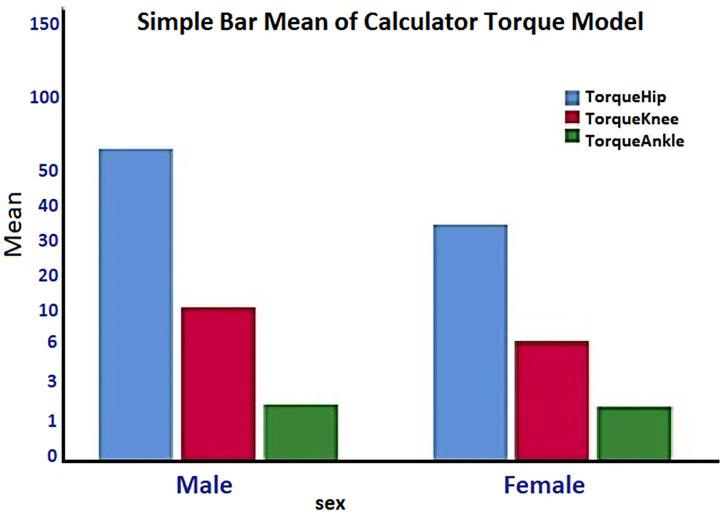
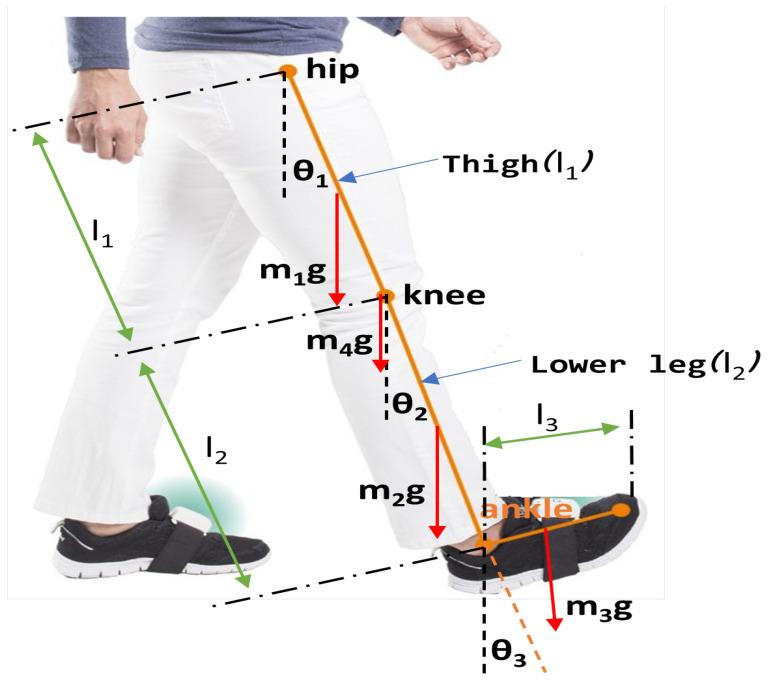
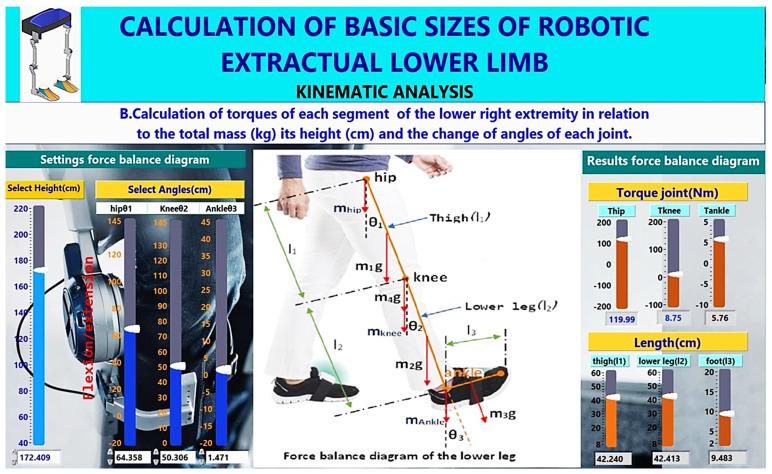
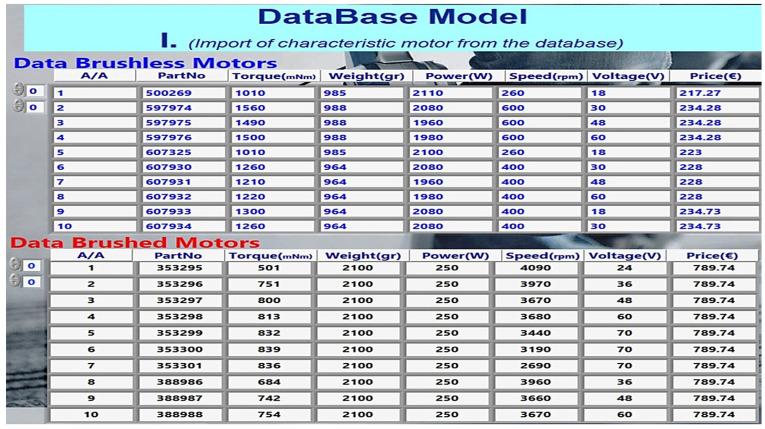
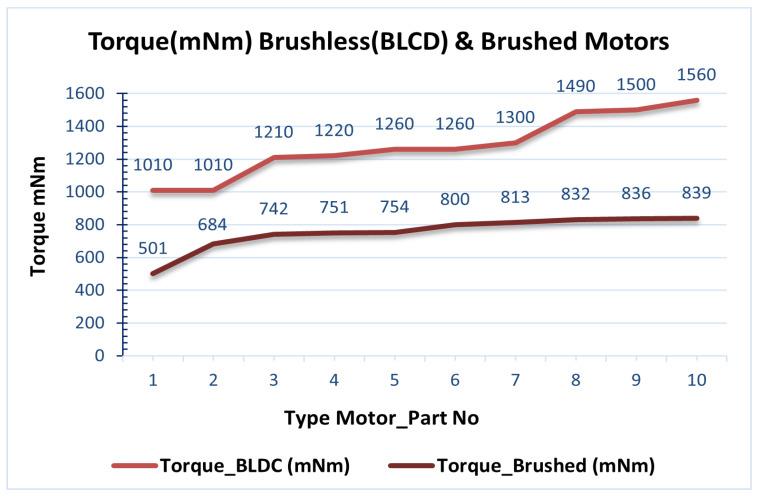
Torque calculation is essential for selecting the appropriate motor to achieve the required torque at each joint of a hybrid exoskeleton. In recent years, the combined use of functional electrical stimulation (FES) and robotic devices, called hybrid robotic rehabilitation systems, has emerged as a promising approach for the rehabilitating of lower limb motor functions. Specifically, the implementation strategy of functional electrical stimulation walking aid combined with the design of the exoskeleton part is the main focus of our research team. This work copes with issues of the design process of a robotic exoskeleton. The importance of robotic exoskeletons for providing walking aid to people with mobility disorders or the elderly is discussed. Furthermore, the approaches to calculating the joint torques are investigated, and the mathematical models and parameters of interest are identified. This further includes the comparative data for servo motors: robotic exoskeleton characteristics and actuator analysis in the robotic exoskeleton. The aforementioned is used to propose a mathematical model based on previous models (Zatsiorsky BSP and Dempster BSP body segment parameters models, forward kinematics models), which was extended to include added adjustable parameters such as length, area, volume, mass, density, the centre of mass, human body characteristics, and considering both static and dynamic parameter extraction. Then, an analytic method is presented, exploiting the results from the mathematical model to select the appropriate motor for each joint of the lower extremities. The detailed description of the method is followed by examples, experimental measurements, and statistical analysis of qualitative and quantitative characteristics. The results showed deviations from typical calculation methods, offering a better understanding of the motor requirements for each joint of the exoskeleton and avoiding selections of marginal functionality features of the motors. In addition, researchers are offered a tool for replicating the results of this work, allowing them to configure the parameters associated with the servo motor features. The researcher can either use the embedded library developed for this work or enter new data into it, affecting the calculated torques of the model joints. The extracted results assist the researcher in choosing the appropriate motor among commercially available brushed and brushless motors based on the torques applied at each joint in robotic articulated systems.
扭矩计算对于选择合适的电机以在混合外骨骼的每个关节处实现所需扭矩至关重要。近年来,功能电刺激(FES)与机器人设备的联合使用,即所谓的混合机器人康复系统,已成为恢复下肢运动功能的一种有前景的方法。具体而言,功能电刺激助行器的实施策略与外骨骼部分的设计相结合是我们研究团队的主要关注点。这项工作解决了机器人外骨骼设计过程中的问题。讨论了机器人外骨骼对于为行动不便者或老年人提供助行的重要性。此外,研究了计算关节扭矩的方法,并确定了相关的数学模型和参数。这还包括伺服电机的比较数据:机器人外骨骼特性以及机器人外骨骼中的执行器分析。上述内容用于基于先前的模型(扎齐奥尔斯基BSP和登普斯特BSP身体节段参数模型、正向运动学模型)提出一个数学模型,该模型被扩展以纳入诸如长度、面积、体积、质量、密度、质心、人体特征等附加的可调整参数,并同时考虑静态和动态参数提取。然后,提出一种分析方法,利用数学模型的结果为下肢的每个关节选择合适的电机。在该方法的详细描述之后是示例、实验测量以及定性和定量特征的统计分析。结果显示与典型计算方法存在偏差,这有助于更好地理解外骨骼每个关节的电机需求,并避免选择电机的边缘功能特性。此外,为研究人员提供了一个复制这项工作结果的工具,使他们能够配置与伺服电机特性相关的参数。研究人员既可以使用为此项工作开发的嵌入式库,也可以向其中输入新数据,这会影响模型关节的计算扭矩。提取的结果有助于研究人员根据机器人关节系统中每个关节所施加的扭矩,在市售的有刷和无刷电机中选择合适的电机。






 Zotero 插件