
全反式维甲酸对生长和生物膜形成的影响。
All-Trans Retinoic Acid Effect on Growth and Biofilm Formation.
作者信息
Pistoia Enrico Salvatore, Cosio Terenzio, Campione Elena, Pica Francesca, Volpe Antonio, Marino Daniele, Di Francesco Paolo, Monari Claudia, Fontana Carla, Favaro Marco, Zampini Paola, Orlandi Augusto, Gaziano Roberta
机构信息
Department of Experimental Medicine, University of Rome Tor Vergata, 00133 Rome, Italy.
PhD Course in Microbiology, Immunology, Infectious Diseases, and Transplants (MIMIT), Department of Experimental Medicine, University of Rome Tor Vergata, 00133 Rome, Italy.
出版信息
J Fungi (Basel). 2022 Oct 5;8(10):1049. doi: 10.3390/jof8101049.
UNLABELLED
is the most common fungal pathogen causing recurrent mucosal and life-threatening systemic infections. The ability to switch from yeast to hyphae and produce biofilm are the key virulence determinants of this fungus. In fact, biofilms on medical devices represent the major risk factor for nosocomial bloodstream infections. Novel antifungal strategies are required given the severity of systemic candidiasis, especially in immunocompromised patients, and the lack of effective anti-biofilm treatments. Retinoids have gained attention recently due to their antifungal properties.
MATERIAL AND METHODS
The present study aimed at evaluating the in vitro effects of different concentrations (300 to 18.75 µg/mL) of All Retinoic Acid (ATRA), a vitamin A metabolite, on growth and biofilm formation.
RESULTS
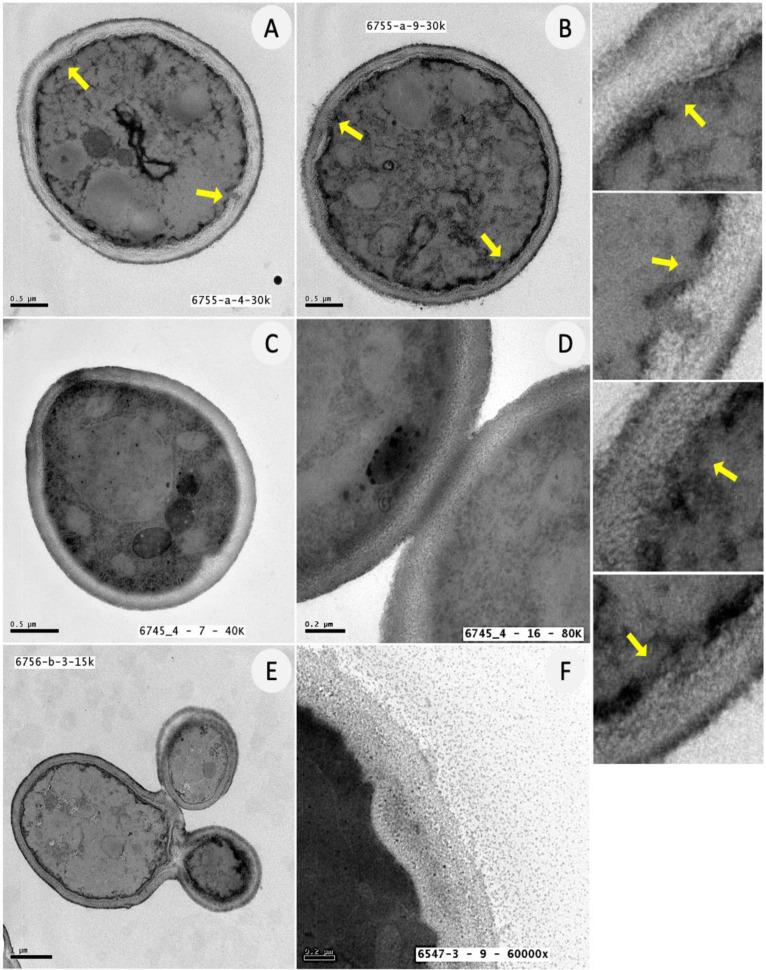
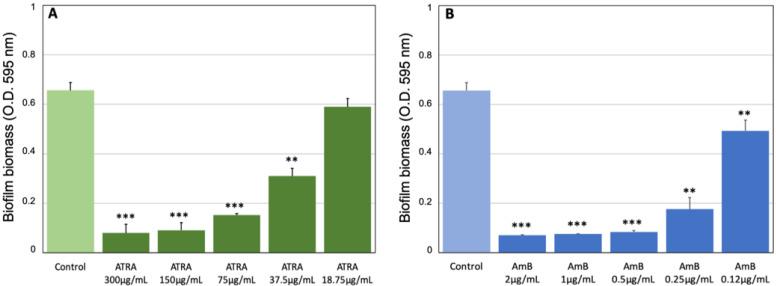
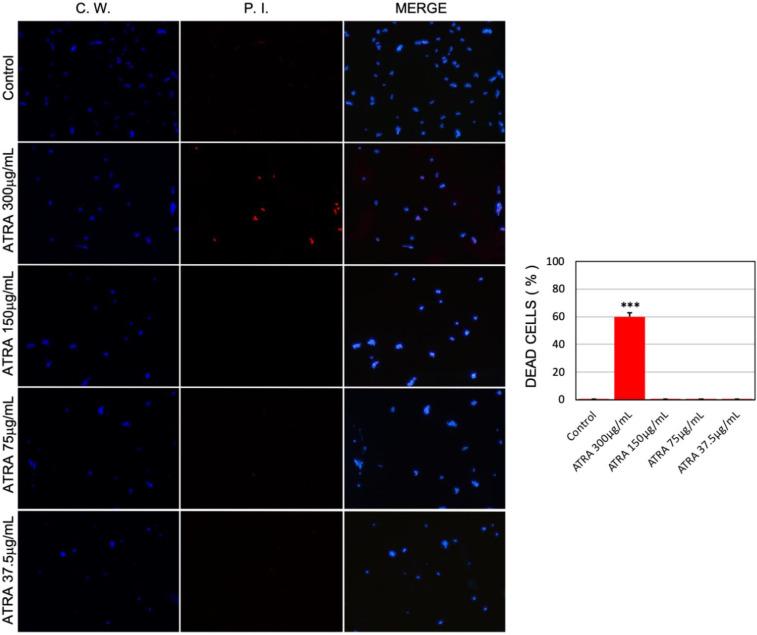
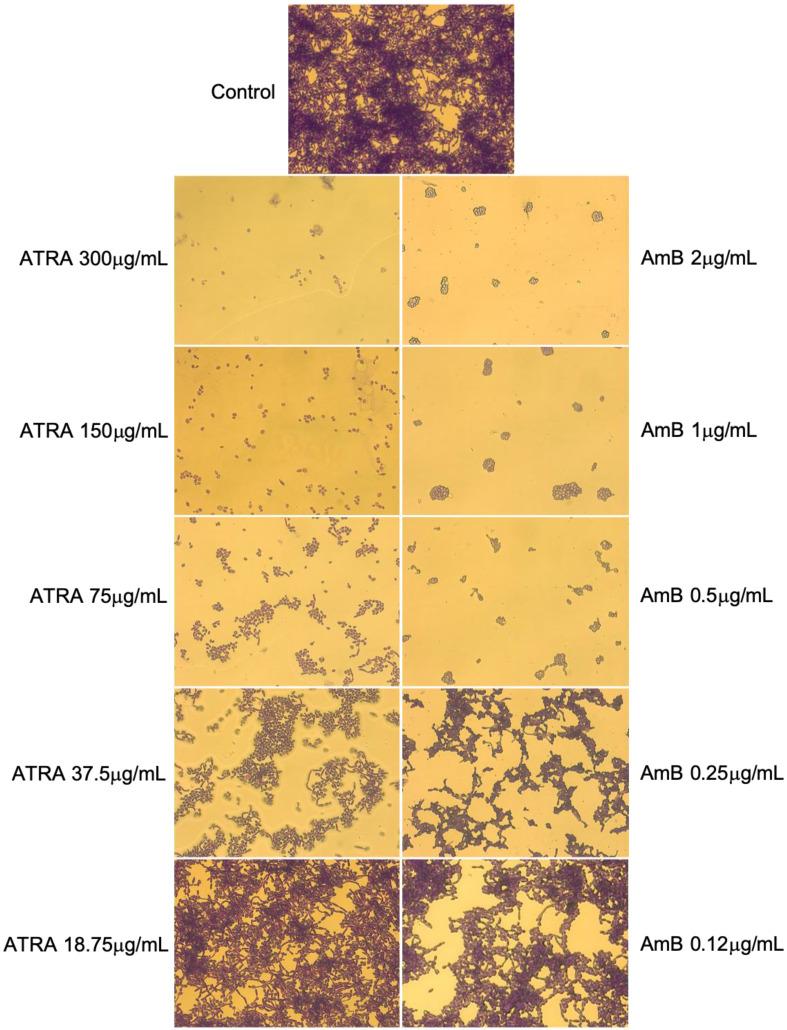
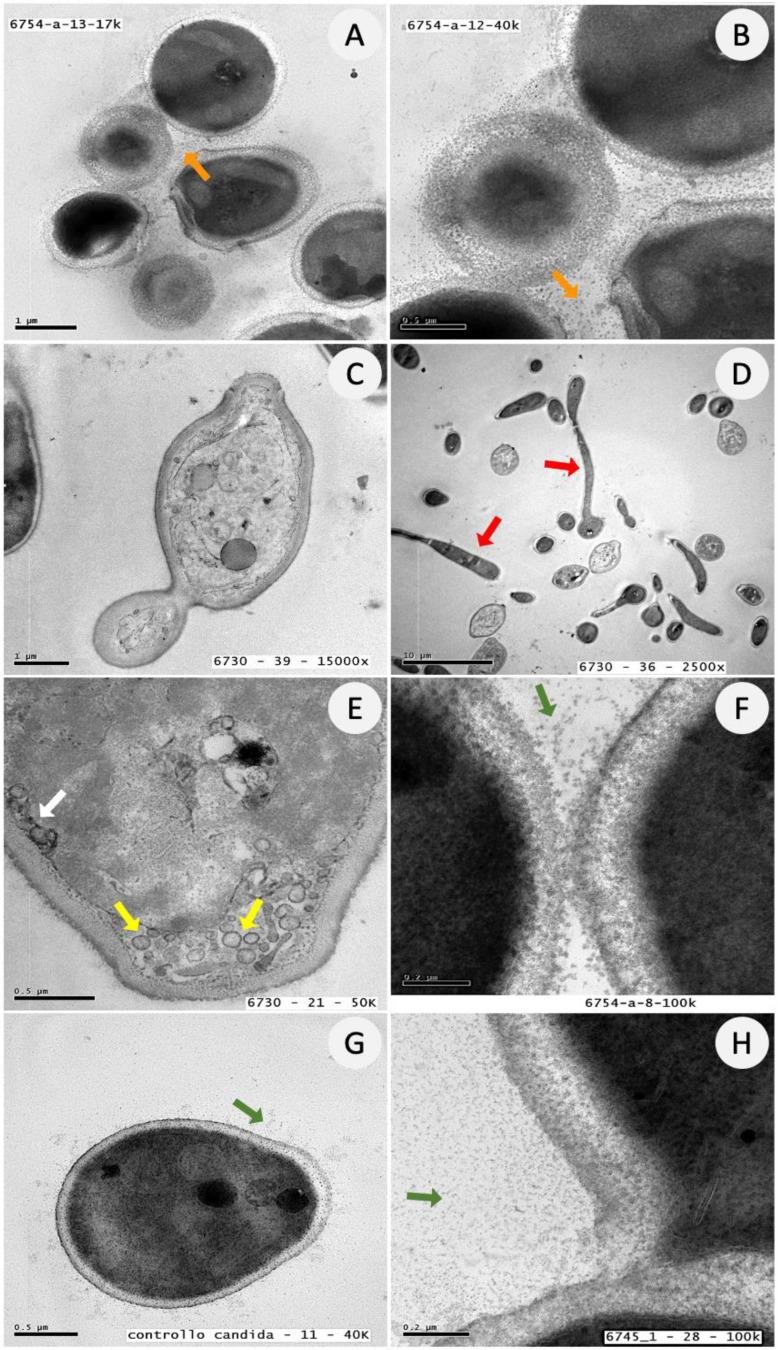
ATRA completely inhibited the fungal growth, by acting as both fungicidal (at 300 µg/mL) and fungistatic (at 150 µg/mL) agent. Furthermore, ATRA was found to negatively affect biofilm formation in terms of biomass, metabolic activity and morphology, in a dose-dependent manner, and intriguingly, its efficacy was as that of amphotericin B (AmB) (2-0.12 μg/mL). Additionally, transmission electron microscopy (TEM) analysis showed that at 300 μg/mL ATRA induced plasma membrane damage in cells, confirming its direct toxic effect against the fungus.
CONCLUSION
Altogether, the results suggest that ATRA has a potential for novel antifungal strategies aimed at preventing and controlling biofilm-associated infections.
未标记
是引起复发性黏膜感染和危及生命的系统性感染的最常见真菌病原体。从酵母转变为菌丝以及产生生物膜的能力是这种真菌的关键毒力决定因素。事实上,医疗器械上的生物膜是医院血流感染的主要危险因素。鉴于系统性念珠菌病的严重性,特别是在免疫功能低下的患者中,以及缺乏有效的抗生物膜治疗方法,需要新的抗真菌策略。类视黄醇因其抗真菌特性最近受到关注。
材料与方法
本研究旨在评估不同浓度(300至18.75μg/mL)的全反式维甲酸(ATRA),一种维生素A代谢产物,对生长和生物膜形成的体外影响。
结果
ATRA通过作为杀菌剂(300μg/mL时)和抑菌剂(150μg/mL时)完全抑制真菌生长。此外,发现ATRA在生物量、代谢活性和形态方面以剂量依赖的方式对生物膜形成产生负面影响,有趣的是,其效果与两性霉素B(AmB)(2 - 0.12μg/mL)相当。此外,透射电子显微镜(TEM)分析表明,在300μg/mL时,ATRA诱导细胞中的质膜损伤,证实了其对真菌的直接毒性作用。
结论
总之,结果表明ATRA有潜力用于旨在预防和控制生物膜相关感染的新型抗真菌策略。

 Zotero 插件