
体外胃肠道消化对添加乳铁蛋白的活性乳制品配方抗阪崎克罗诺杆菌的抗菌活性的影响。
Effect of in vitro gastrointestinal digestion on the antibacterial activity of bioactive dairy formulas supplemented with lactoferrin against Cronobacter sakazakii.
机构信息
Departamento de Producción Animal y Ciencia de los Alimentos. Facultad de Veterinaria, Universidad de Zaragoza, Saragossa, Spain.
Instituto Agroalimentario de Aragón IA2 (UNIZAR-CITA), Saragossa, Spain.
出版信息
Biometals. 2023 Jun;36(3):667-681. doi: 10.1007/s10534-022-00459-5. Epub 2022 Nov 6.
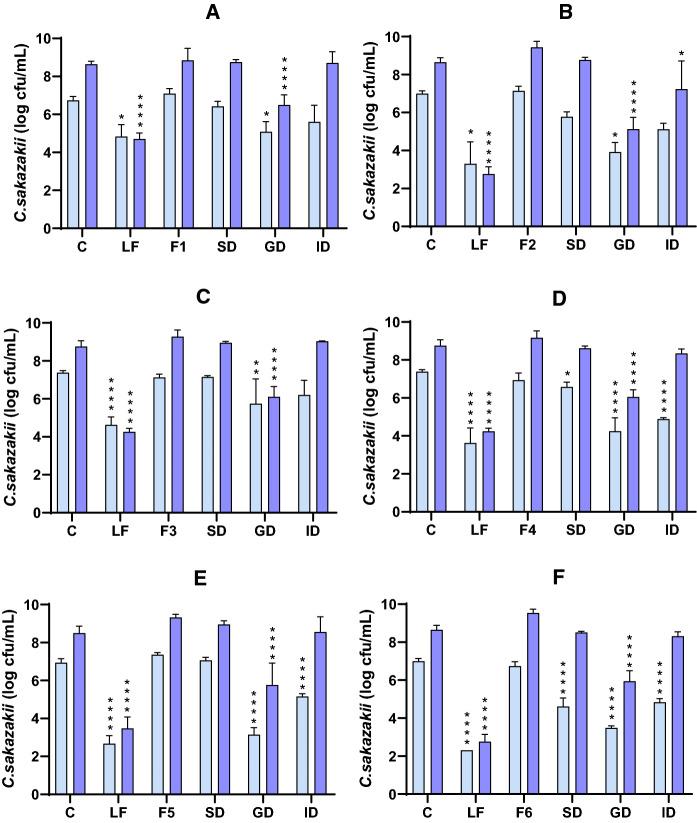
Milk is a source of proteins with high nutritional value and relevant biological activities. Bioactive milk proteins, like lactoferrin, are important for newborn development and can also be used as ingredients in functional products to improve health. Lactoferrin is essential in infant's diet, since protects against infections and promotes immune system maturation. Bovine lactoferrin is used to supplement formula milk in order to strengthen baby's defences against some pathogenic bacteria. Thus, lactoferrin supplemented formula can be a barrier against emergent pathogens, such as Cronobacter sakazakii, which has caused great concern in the last few years. Milk proteins generate bioactive peptides in the digestion process, and it is known that industrial processing can modify their susceptibility to digestion. Treatments such as heating have been shown to denature whey proteins and make them more easily digestible. Therefore, the aim of this study was to analyze the effect of technological treatments and gastrointestinal digestion on the antibacterial activity against C. sakazakii of proteins present in dairy formulas supplemented with lactoferrin. Commercial bovine lactoferrin has been shown to have antibacterial activity against C. sakazakii, both in the native state and after static in vitro gastrointestinal digestion. In addition, the digests obtained from dairy formulas subjected to technological treatments, either homogenization or pasteurization, have higher antibacterial activity than non-treated formulas. The release of low molecular weight peptides during the in vitro gastric digestion is probably the cause that would explain the enhanced antibacterial activity of the digested dairy formulas.
牛奶是一种具有高营养价值和相关生物活性的蛋白质来源。生物活性牛奶蛋白,如乳铁蛋白,对新生儿的发育很重要,也可以用作功能性产品的成分,以改善健康。乳铁蛋白是婴儿饮食中必不可少的,因为它可以预防感染并促进免疫系统成熟。牛乳铁蛋白被用于补充配方奶粉,以增强婴儿对某些致病菌的抵抗力。因此,添加乳铁蛋白的配方奶可以成为对抗新兴病原体的屏障,例如近 几年来引起极大关注的阪崎克罗诺杆菌。在消化过程中,牛奶蛋白会产生生物活性肽,已知工业加工可以改变它们对消化的敏感性。例如加热处理已被证明可以使乳清蛋白变性,使其更易消化。因此,本研究的目的是分析技术处理和胃肠道消化对添加乳铁蛋白的乳制品配方中针对阪崎克罗诺杆菌的抗菌活性的影响。商业牛乳铁蛋白已被证明对阪崎克罗诺杆菌具有抗菌活性,无论是在天然状态下还是在静态体外胃肠道消化后。此外,经过均质化或巴氏杀菌等技术处理的乳制品配方的消化物比未处理的配方具有更高的抗菌活性。在体外胃消化过程中释放的低分子量肽可能是解释消化后的乳制品配方抗菌活性增强的原因。

 Zotero 插件