
PERK/ATF4 依赖性应激反应蛋白 REDD1 的表达促进肥胖小鼠心脏中促炎细胞因子的表达。
PERK/ATF4-dependent expression of the stress response protein REDD1 promotes proinflammatory cytokine expression in the heart of obese mice.
机构信息
Department of Cellular and Molecular Physiology, Penn State College of Medicine, Hershey, Pennsylvania.
Fralin Biomedical Research Institute, Virginia Tech, Roanoke, Virginia.
出版信息
Am J Physiol Endocrinol Metab. 2023 Jan 1;324(1):E62-E72. doi: 10.1152/ajpendo.00238.2022. Epub 2022 Nov 16.
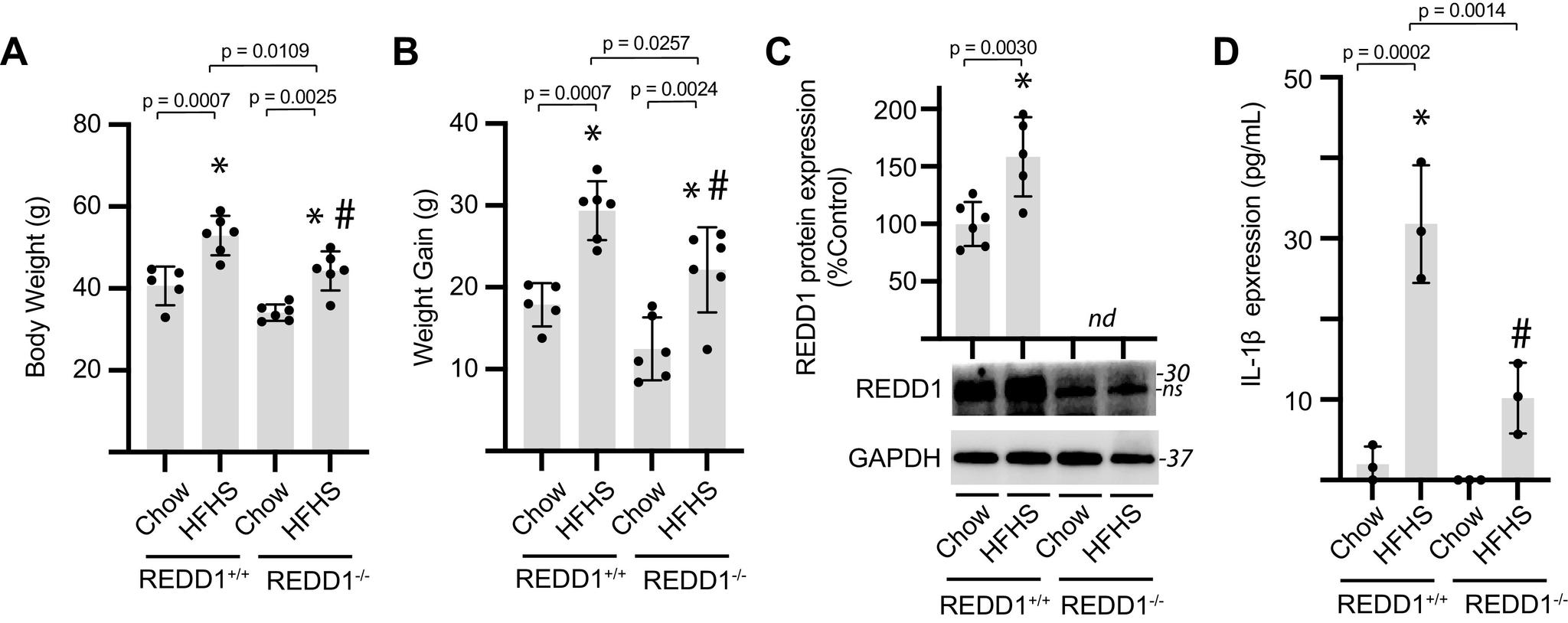
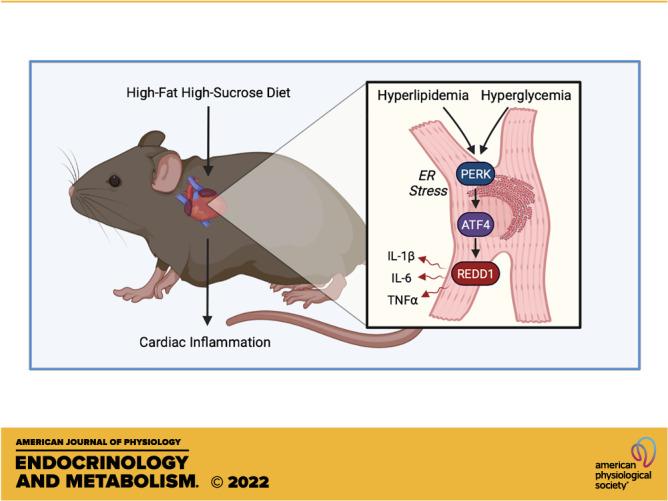
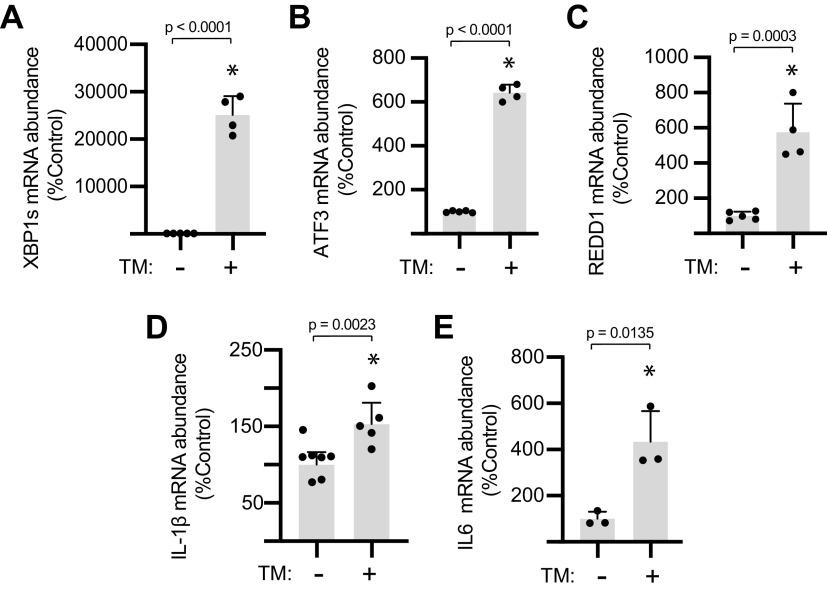
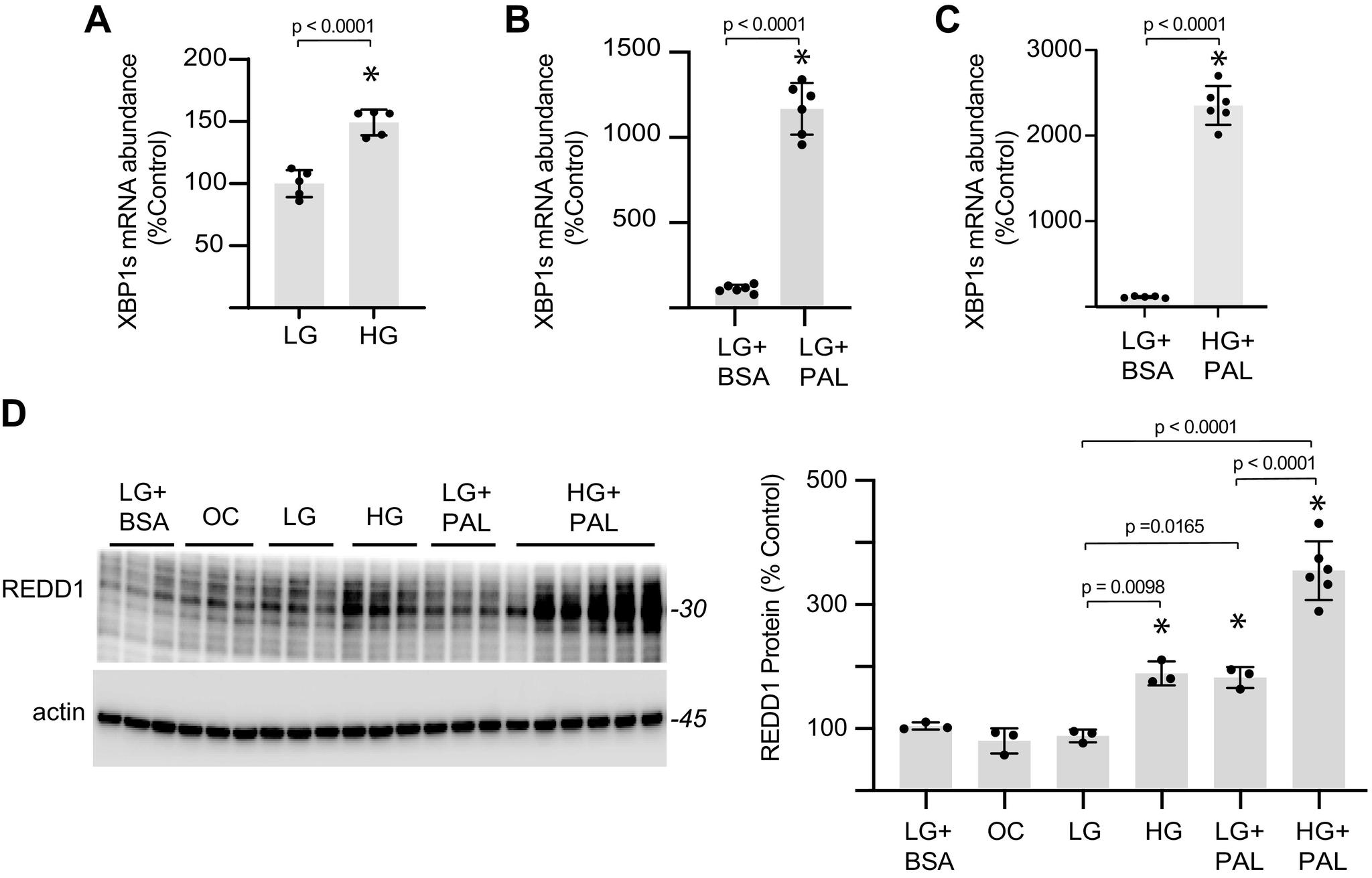
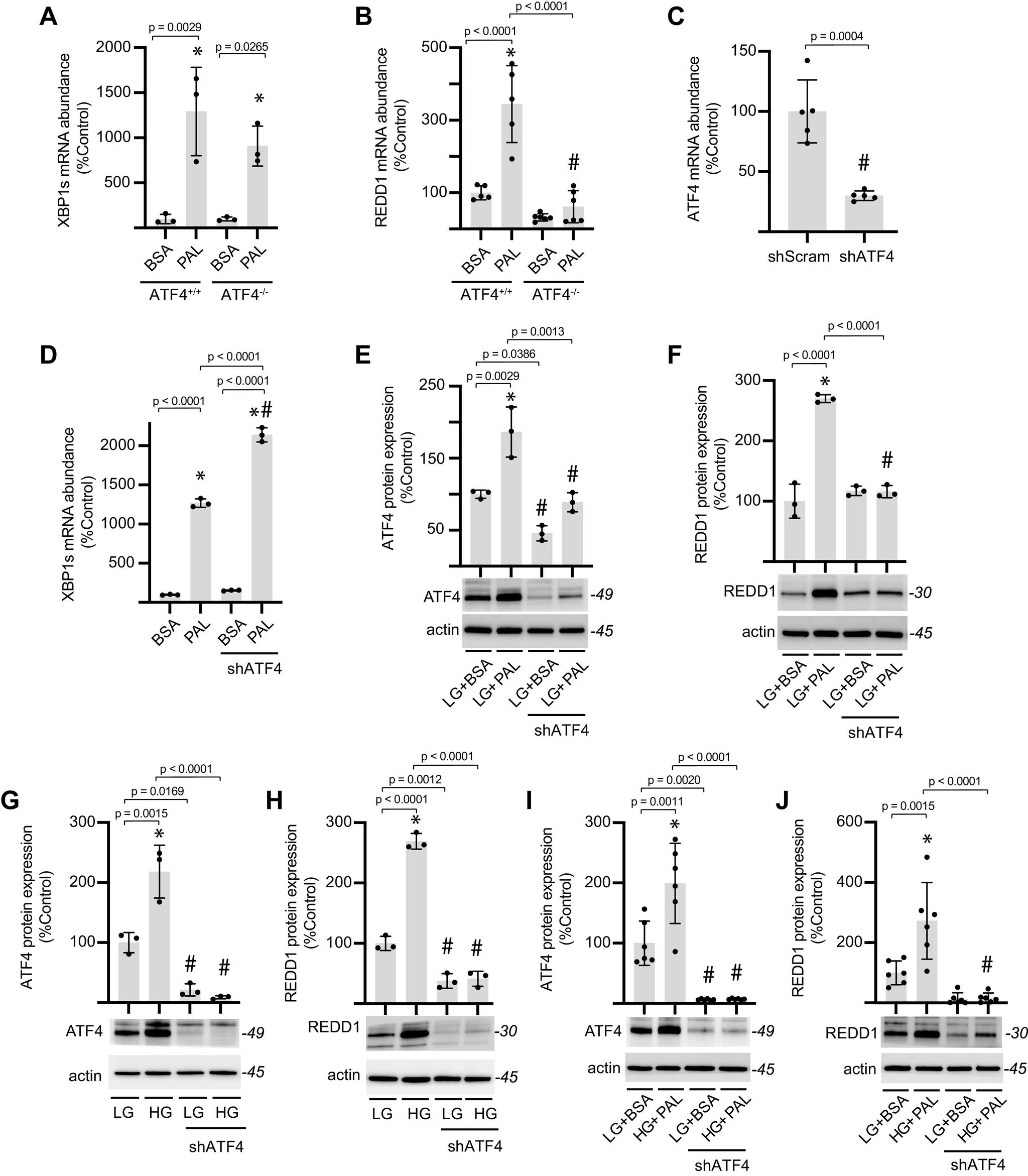
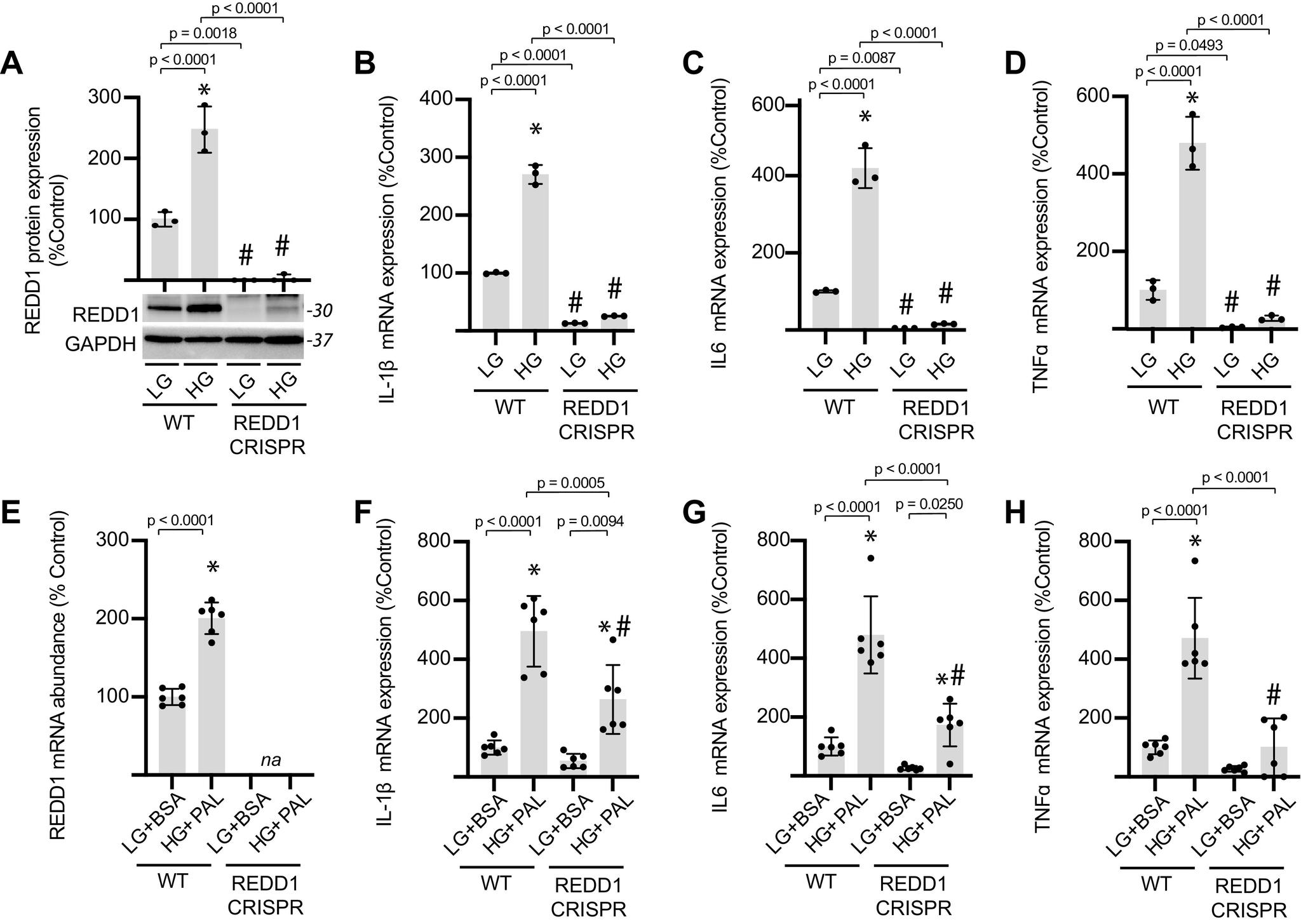
Endoplasmic reticulum (ER) stress and inflammation are hallmarks of myocardial impairment. Here, we investigated the role of the stress response protein regulated in development and DNA damage 1 (REDD1) as a molecular link between ER stress and inflammation in cardiomyocytes. In mice fed a high-fat high-sucrose (HFHS, 42% kcal fat, 34% sucrose by weight) diet for 12 wk, REDD1 expression in the heart was increased in coordination with markers of ER stress and inflammation. In human AC16 cardiomyocytes exposed to either hyperglycemic conditions or the saturated fatty acid palmitate, REDD1 expression was increased coincident with ER stress and upregulated expression of the proinflammatory cytokines IL-1β, IL-6, and TNFα. In cardiomyocytes exposed to hyperglycemic/hyperlipidemic conditions, pharmacological inhibition of the ER kinase protein kinase RNA-like endoplasmic reticulum kinase (PERK) or knockdown of the transcription factor ATF4 prevented the increase in REDD1 expression. REDD1 deletion reduced proinflammatory cytokine expression in both cardiomyocytes exposed to hyperglycemic/hyperlipidemic conditions and in the hearts of obese mice. Overall, the findings support a model wherein HFHS diet contributes to the development of inflammation in cardiomyocytes by promoting REDD1 expression via activation of a PERK/ATF4 signaling axis. Interplay between endoplasmic reticulum stress and inflammation contributes to cardiovascular disease progression. The studies here identify the stress response protein known as REDD1 as a missing molecular link that connects the development of endoplasmic reticulum stress with increased production of proinflammatory cytokines in the hearts of obese mice.
内质网(ER)应激和炎症是心肌损伤的标志。在这里,我们研究了应激反应蛋白发育调节和 DNA 损伤 1(REDD1)作为 ER 应激和心肌细胞炎症之间分子联系的作用。在喂食高脂肪高蔗糖(HFHS,42%卡路里脂肪,34%重量蔗糖)饮食 12 周的小鼠中,心脏中 REDD1 的表达与 ER 应激和炎症标志物协同增加。在暴露于高血糖或饱和脂肪酸棕榈酸的人类 AC16 心肌细胞中,REDD1 的表达增加与 ER 应激和促炎细胞因子 IL-1β、IL-6 和 TNFα 的上调表达一致。在暴露于高血糖/高脂血症条件的心肌细胞中,蛋白激酶 RNA 样内质网激酶(PERK)的 ER 激酶的药理学抑制或转录因子 ATF4 的敲低可防止 REDD1 表达的增加。REDD1 缺失减少了暴露于高血糖/高脂血症条件的心肌细胞和肥胖小鼠心脏中的促炎细胞因子表达。总的来说,这些发现支持了这样一种模型,即 HFHS 饮食通过激活 PERK/ATF4 信号轴促进 REDD1 表达,从而导致心肌细胞炎症的发展。内质网应激和炎症之间的相互作用导致心血管疾病的进展。本研究确定了应激反应蛋白 REDD1 作为缺失的分子联系,将内质网应激的发展与肥胖小鼠心脏中促炎细胞因子的产生增加联系起来。


 Zotero 插件