
口腔感染严重急性呼吸综合征冠状病毒2(SARS-CoV-2)变异株:唾液诊断的范围
Infection of the oral cavity with SARS-CoV-2 variants: Scope of salivary diagnostics.
作者信息
Iyer Parvati, Chino Takahiro, Ojcius David M
机构信息
Department of Diagnostic Sciences, University of the Pacific, Arthur Dugoni School of Dentistry, San Francisco, CA, United States.
Department of Biomedical Sciences, University of the Pacific Arthur A. Dugoni School of Dentistry, San Francisco, CA, United States.
出版信息
Front Oral Health. 2022 Oct 31;3:1001790. doi: 10.3389/froh.2022.1001790. eCollection 2022.
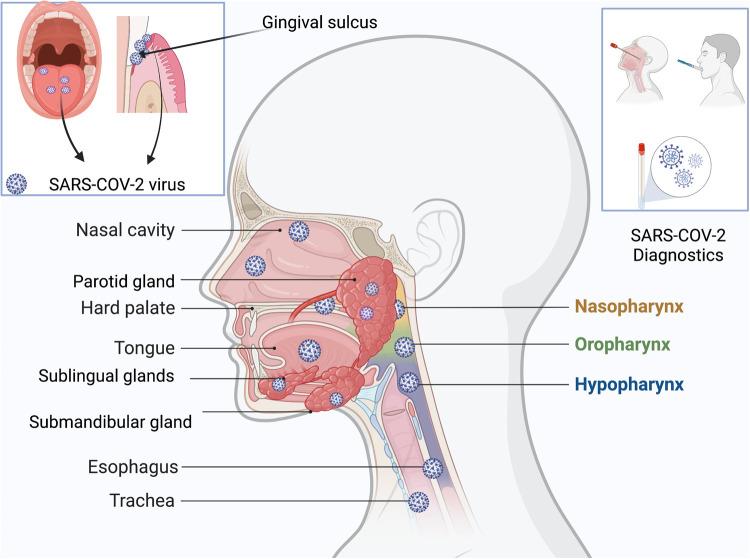
Coronaviruses, including SARS-CoV-2, have caused pandemics in the past two decades. The most prevalent SARS-CoV-2 variants of concern can re-infect individuals who have been previously infected with other variants or had protection from vaccines targeting the original SARS-CoV-2 variant. Given the high risk of transmission of coronavirus aerosols produced during dental procedures, it is important to understand the future risk of coronavirus infection for oral health professionals and to diagnose quickly early stages of outbreaks. Testing of saliva for coronavirus may be the least invasive and most convenient method for following the outbreak at the individual and community level. This review will describe strategies for diagnosis of coronavirus in saliva.
包括严重急性呼吸综合征冠状病毒2(SARS-CoV-2)在内的冠状病毒在过去二十年中引发了大流行。最受关注的SARS-CoV-2变体能够再次感染那些先前感染过其他变体或已通过针对原始SARS-CoV-2变体的疫苗获得保护的个体。鉴于牙科手术过程中产生的冠状病毒气溶胶具有很高的传播风险,了解口腔卫生专业人员未来感染冠状病毒的风险并快速诊断疫情的早期阶段非常重要。检测唾液中的冠状病毒可能是在个人和社区层面追踪疫情最微创且最便捷的方法。本综述将描述唾液中冠状病毒的诊断策略。
 Zotero 插件