
“双眼视阈”在青少年心理健康中的应用——弥合设计思维与本土集体叙事
Application of Two-Eyed Seeing in Adolescent Mental Health to Bridge Design Thinking and Indigenous Collective Storytelling.
机构信息
Department of Educational and Counselling Psychology, University of British Columbia, Vancouver, BC V6T 1Z4, Canada.
School of Population and Public Health, University of British Columbia, Vancouver, BC V6T 1Z3, Canada.
出版信息
Int J Environ Res Public Health. 2022 Nov 14;19(22):14972. doi: 10.3390/ijerph192214972.
BACKGROUND
eMental health apps are increasingly being considered for use in health care with growing recognition of the importance of considering end-user preferences in their design and implementation. The key to the success of using apps with Indigenous youth is tailoring the design and content to include Indigenous perspectives. In this study we used a Two-Eyed Seeing perspective to integrate Indigenous and human computer interaction methodologies to identify end-user preferences for a tablet-based mental health screening app used in a primary care clinic serving Indigenous youth.
OBJECTIVE
The research objectives used a Two-Eyed Seeing approach to (i) collectively create stories about Indigenous youth lived experiences accessing integrated primary care for their mental health concerns; and (ii) engage Indigenous youth in Design Circles to determine their usability preferences for digital mental health screening tools.
METHOD
Eight adolescents (n = 4 young women; n = 3 young men; and n = 1 Two Spirit) between 20 to 24 years old who self-identified as Indigenous participated. Indigenous youth joined Design Circles to co-create a story about accessing mental health care and their needs and preferences for an eMental Health app.
RESULTS
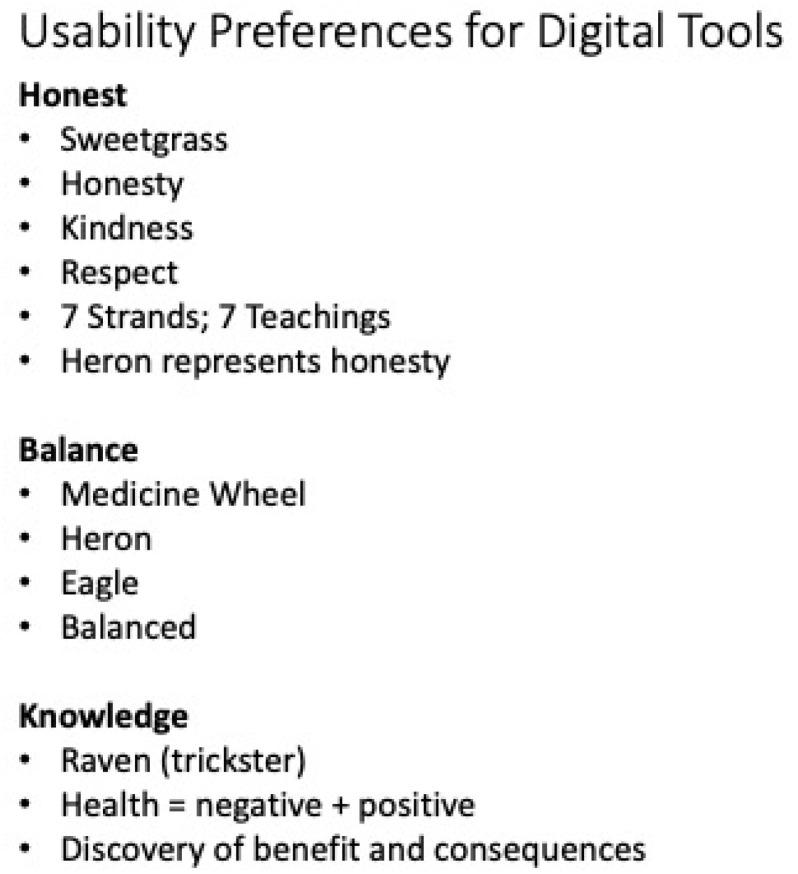
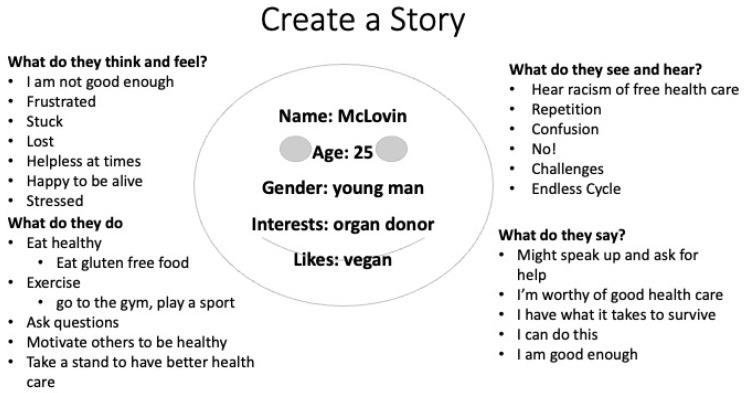
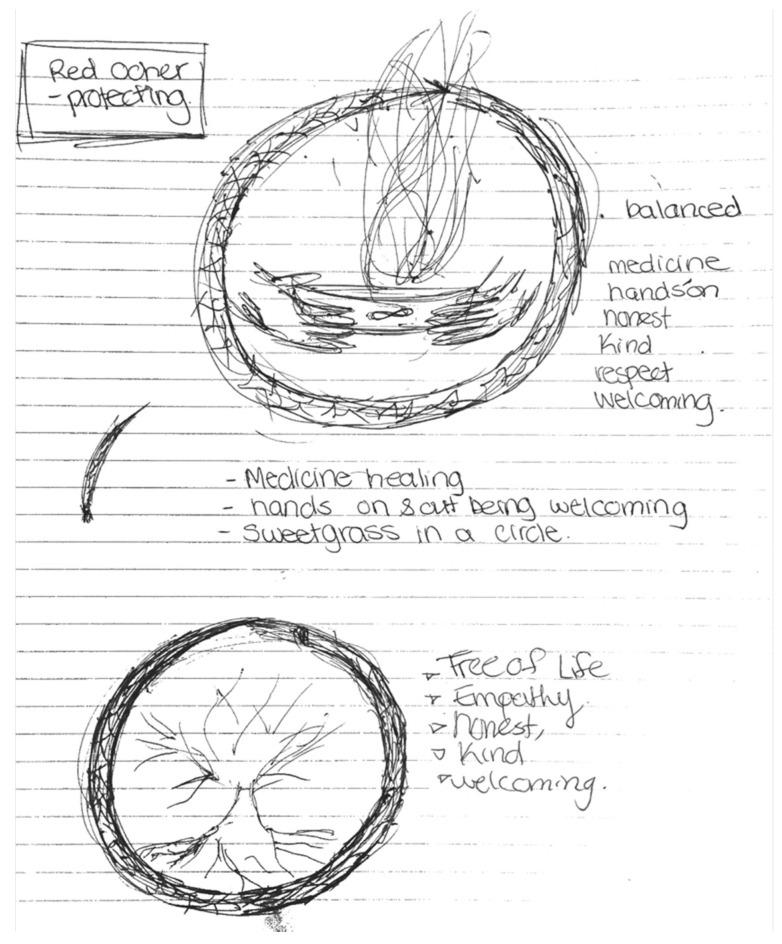
Findings highlighted the importance of collective Indigenous storytelling about accessing integrated primary care for mental health needs. Participants created three persona stories about their challenges accessing mental health care and the role of social support. Participants sorted their usability design preferences for an eMental Health app to be inclusive of Indigenous knowledges.
CONCLUSIONS
A Two-Eyed Seeing perspective was useful to incorporate a design thinking approach as collective storytelling among Indigenous youth. This research may inform and shape the design of eMental health apps used in health clinics to better engage Indigenous youth.
背景
随着人们越来越认识到在设计和实施过程中考虑最终用户偏好的重要性,电子心理健康应用程序在医疗保健中的应用也越来越受到关注。在原住民青年中成功使用应用程序的关键是调整设计和内容,纳入原住民视角。在这项研究中,我们使用“Two-Eyed Seeing”视角,整合原住民和人机交互方法,以确定在为原住民青年提供服务的初级保健诊所中使用的基于平板电脑的心理健康筛查应用程序的最终用户偏好。
目的
该研究目的采用“Two-Eyed Seeing”方法:(i)共同创作关于原住民青年在为其心理健康问题寻求综合初级保健时的生活体验的故事;(ii)让原住民青年参与设计圈,以确定他们对数字心理健康筛查工具的可用性偏好。
方法
8 名青少年(n=4 名年轻女性;n=3 名年轻男性;n=1 名双性恋者),年龄在 20 至 24 岁之间,自我认同为原住民,参与了研究。原住民青年参加了设计圈,共同创作了一个关于获取心理健康护理的故事,以及他们对电子心理健康应用程序的需求和偏好。
结果
研究结果强调了共同讲述原住民获取综合初级保健以满足心理健康需求的重要性。参与者创作了三个关于他们在获取心理健康护理方面的挑战以及社会支持作用的角色的人物故事。参与者对电子心理健康应用程序的可用性设计偏好进行了分类,以纳入原住民知识。
结论
“Two-Eyed Seeing”视角有助于纳入集体原住民青年的设计思维方法。这项研究可以为在健康诊所中使用的电子心理健康应用程序的设计提供信息和指导,以更好地吸引原住民青年。

 Zotero 插件