
全面了解环境颗粒物及其成分对健康的不良影响,基于流行病学和实验室证据。
A comprehensive understanding of ambient particulate matter and its components on the adverse health effects based from epidemiological and laboratory evidence.
机构信息
Department of Toxicology and Sanitary Chemistry, School of Public Health, Capital Medical University, Beijing, 100069, People's Republic of China.
Beijing Key Laboratory of Environmental Toxicology, Capital Medical University, Beijing, 100069, People's Republic of China.
出版信息
Part Fibre Toxicol. 2022 Nov 29;19(1):67. doi: 10.1186/s12989-022-00507-5.
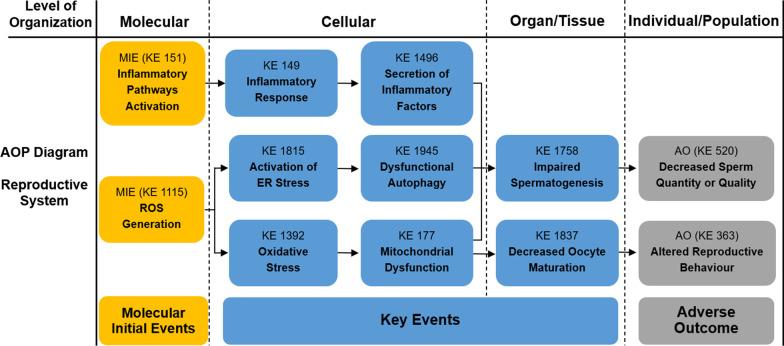
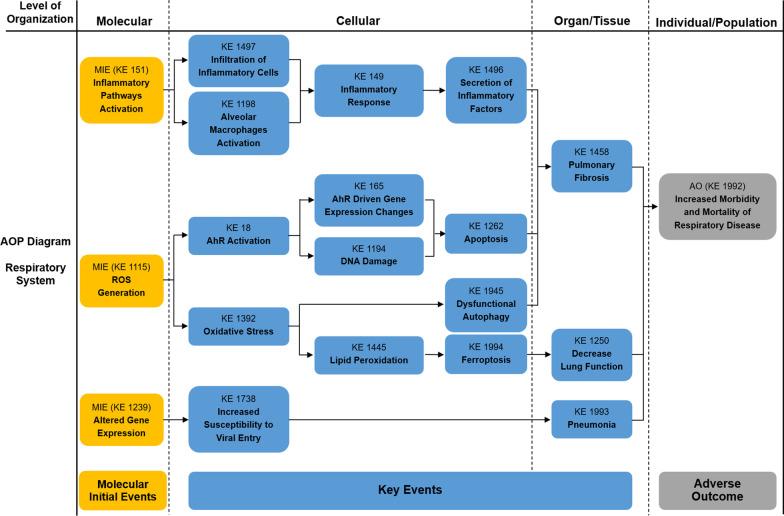
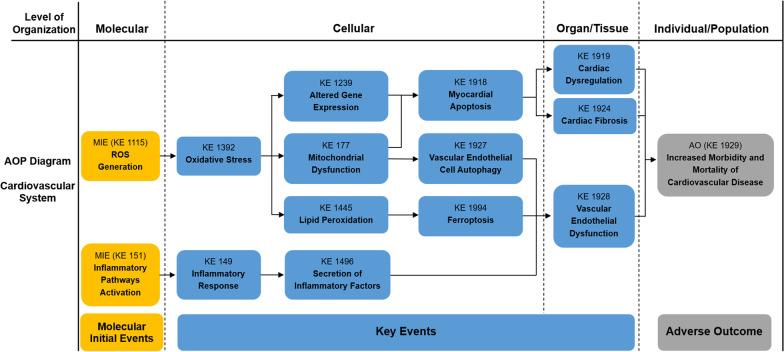
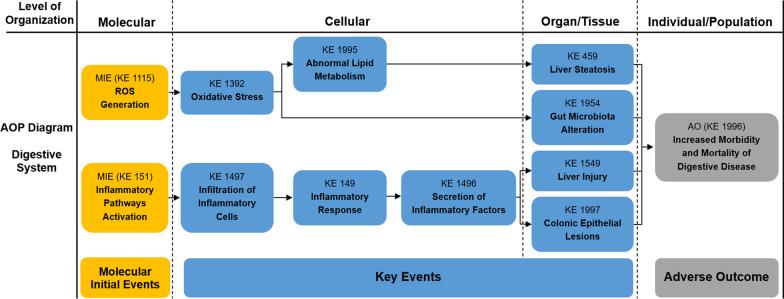
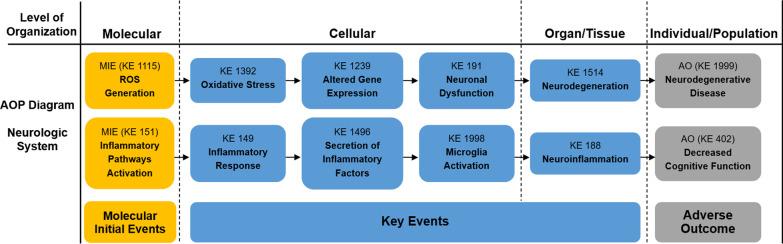
The impacts of air pollution on public health have become a great concern worldwide. Ambient particulate matter (PM) is a major air pollution that comprises a heterogeneous mixture of different particle sizes and chemical components. The chemical composition and physicochemical properties of PM change with space and time, which may cause different impairments. However, the mechanisms of the adverse effects of PM on various systems have not been fully elucidated and systematically integrated. The Adverse Outcome Pathway (AOP) framework was used to comprehensively illustrate the molecular mechanism of adverse effects of PM and its components, so as to clarify the causal mechanistic relationships of PM-triggered toxicity on various systems. The main conclusions and new insights of the correlation between public health and PM were discussed, especially at low concentrations, which points out the direction for further research in the future. With the deepening of the study on its toxicity mechanism, it was found that PM can still induce adverse health effects with low-dose exposure. And the recommended Air Quality Guideline level of PM was adjusted to 5 μg/m by World Health Organization, which meant that deeper and more complex mechanisms needed to be explored. Traditionally, oxidative stress, inflammation, autophagy and apoptosis were considered the main mechanisms of harmful effects of PM. However, recent studies have identified several emerging mechanisms involved in the toxicity of PM, including pyroptosis, ferroptosis and epigenetic modifications. This review summarized the comprehensive evidence on the health effects of PM and the chemical components of it, as well as the combined toxicity of PM with other air pollutants. Based on the AOP Wiki and the mechanisms of PM-induced toxicity at different levels, we first constructed the PM-related AOP frameworks on various systems.
空气污染对公众健康的影响已成为全球关注的焦点。环境颗粒物 (PM) 是一种主要的空气污染,它由不同粒径和化学成分的异质混合物组成。PM 的化学成分和物理化学性质随空间和时间而变化,可能会造成不同的损害。然而,PM 对各系统不良影响的机制尚未完全阐明和系统地整合。本研究采用危害鉴定路径(AOP)框架,全面阐述了 PM 及其成分不良效应的分子机制,从而阐明了 PM 引发各系统毒性的因果关系。讨论了公共健康与 PM 之间的相关性的主要结论和新见解,特别是在低浓度下,为未来的进一步研究指明了方向。随着对其毒性机制研究的深入,发现 PM 仍可在低剂量暴露下引起不良健康效应。世界卫生组织(WHO)将 PM 的推荐空气质量指导值调整为 5μg/m,这意味着需要探索更深层次和更复杂的机制。传统上,氧化应激、炎症、自噬和细胞凋亡被认为是 PM 有害效应的主要机制。然而,最近的研究已经确定了 PM 毒性涉及的几个新兴机制,包括细胞焦亡、铁死亡和表观遗传修饰。本综述总结了 PM 及其化学成分对健康影响的综合证据,以及 PM 与其他空气污染物的联合毒性。基于 AOPWiki 和 PM 诱导毒性的不同水平的机制,我们首先构建了关于各系统的与 PM 相关的 AOP 框架。
 Zotero 插件