
三氧化二砷通过下调刺猬信号通路中的GLI1诱导转移性口腔鳞状细胞癌凋亡。
Arsenic Trioxide Triggers Apoptosis of Metastatic Oral Squamous Cells Carcinoma with Concomitant Downregulation of GLI1 in Hedgehog Signaling.
作者信息
Nogueira Raphael Luís Rocha, de Araújo Taís Bacelar Sacramento, Valverde Ludmila Faro, Silva Viviane Aline Oliveira, Cavalcante Bruno Raphael Ribeiro, Rossi Erik Aranha, Allahdadi Kyan James, Dos Reis Mitermayer Galvão, Pereira Thiago Almeida, Coletta Ricardo D, Bezerra Daniel Pereira, de Freitas Souza Bruno Solano, Dias Rosane Borges, Rocha Clarissa A Gurgel
机构信息
Gonçalo Moniz Institute, Oswaldo Cruz Foundation (IGM-FIOCRUZ/BA), Salvador 40296-710, Bahia, Brazil.
Department of Pathology, School of Medicine of the Federal University of Bahia, Salvador 40110-909, Bahia, Brazil.
出版信息
Biomedicines. 2022 Dec 19;10(12):3293. doi: 10.3390/biomedicines10123293.
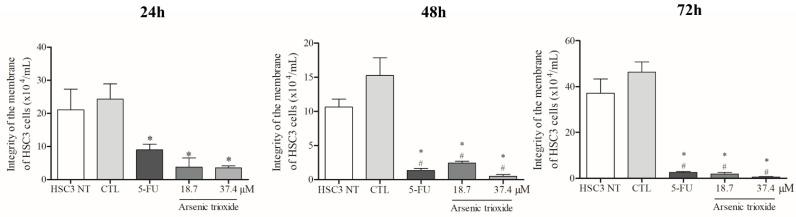
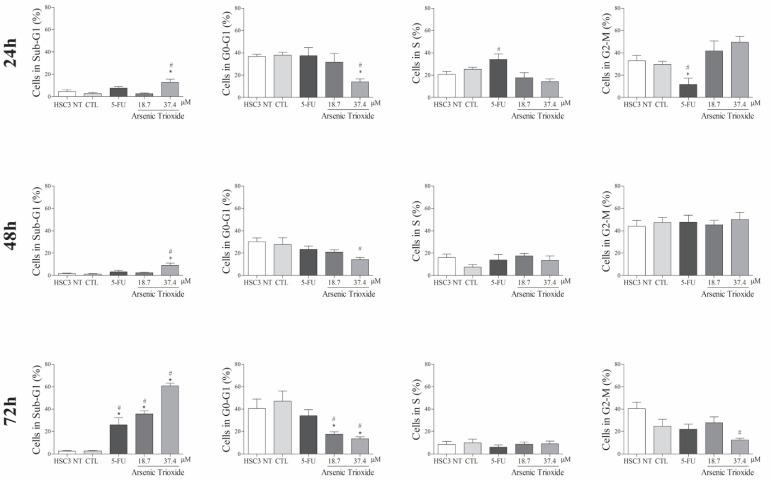
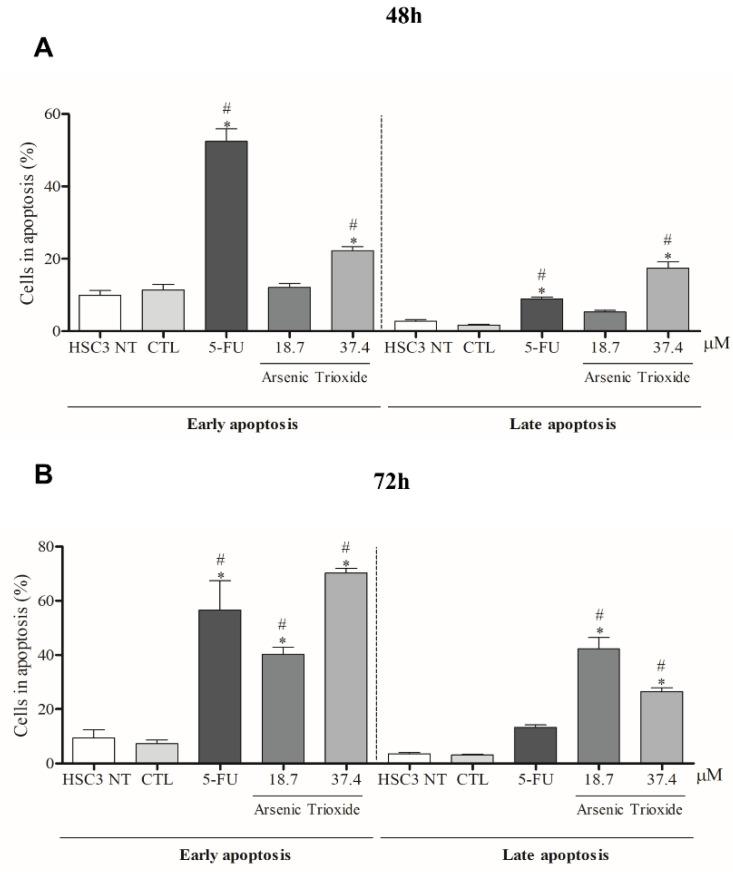
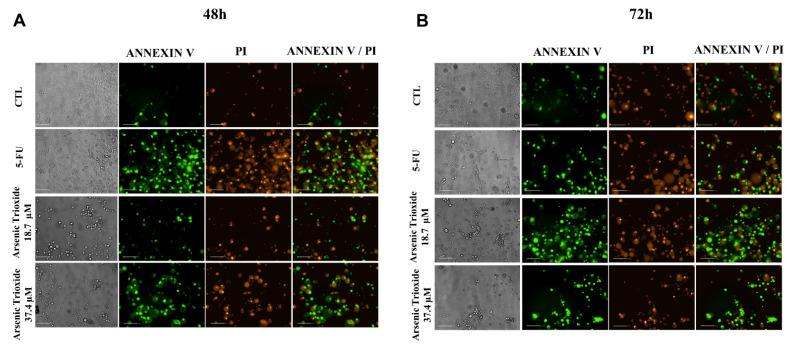
Given the lack of advances in Oral Squamous Cell Carcinoma (OSCC) therapy in recent years, pharmacological strategies to block OSCC-related signaling pathways have gained prominence. The present study aimed to evaluate the therapeutic potential of Arsenic Trioxide (ATO) concerning its antitumoral effects and the inhibition of the Hedgehog (HH) pathway in OSCC. Initially, ATO cytotoxicity was assessed in a panel of cell lines. Cell viability, cell cycle, death patterns, and cell morphology were analyzed, as well as the effect of ATO on the expression of HH pathway components. After the cytotoxic assay, HSC3 cells were chosen for all in vitro assays. ATO increased apoptotic cell death and nuclear fragmentation in the sub-G1 cell cycle phase and promoted changes in cell morphology. In addition, the reduced expression of GLI1 indicated that ATO inhibits HH activity. The present study provides evidence of ATO as an effective cytotoxic drug for oral cancer treatment in vitro.
鉴于近年来口腔鳞状细胞癌(OSCC)治疗缺乏进展,阻断OSCC相关信号通路的药理学策略已受到关注。本研究旨在评估三氧化二砷(ATO)在OSCC中的抗肿瘤作用及其对Hedgehog(HH)通路的抑制作用的治疗潜力。最初,在一组细胞系中评估了ATO的细胞毒性。分析了细胞活力、细胞周期、死亡模式和细胞形态,以及ATO对HH通路成分表达的影响。细胞毒性测定后,选择HSC3细胞进行所有体外试验。ATO增加了亚G1期细胞周期阶段的凋亡细胞死亡和核碎裂,并促进了细胞形态的变化。此外,GLI1表达的降低表明ATO抑制了HH活性。本研究提供了证据表明ATO在体外是一种有效的口腔癌治疗细胞毒性药物。



 Zotero 插件